Europe Pushes for Stronger Defence and Ukraine Support
European leaders intensified discussions on regional security and military cooperation after a short-lived ceasefire between Russia and Ukraine collapsed with new Russian drone strikes across Ukrainian territory. The renewed attacks reportedly targeted residential areas and energy infrastructure, increasing pressure on European nations to strengthen support for Kyiv.
Defence ministers from across the European Union gathered in Brussels to review Europe’s military readiness, long-term defence plans, and continued aid for Ukraine. The talks also focused on boosting Europe’s defence production capabilities and reducing dependence on outside military support.
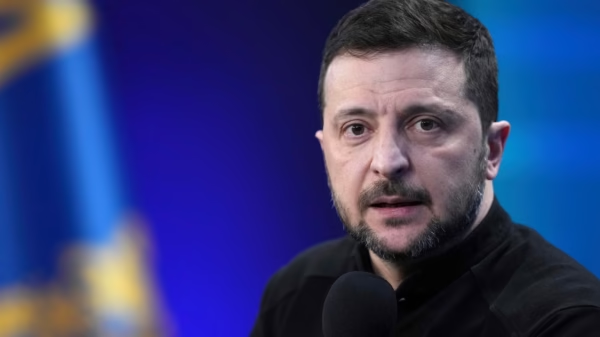
Ukrainian officials condemned the renewed strikes, with President Volodymyr Zelenskyy warning that Moscow continues to target civilian infrastructure despite international diplomatic pressure.
Russia Faces More Pressure as EU Expands Support Measures
European officials signaled that additional sanctions and financial measures against Russia remain under consideration. Recent EU agreements involving billions of euros in loans and defence assistance for Ukraine have strengthened Europe’s position against Moscow.
EU foreign policy chief Kaja Kallas recently stated that Russia appears to be in a weaker geopolitical position compared to previous stages of the conflict. European governments are also working to ensure Ukraine remains closely tied to the bloc through military cooperation and future membership discussions.
At the same time, European leaders rejected proposals from Moscow involving mediation efforts linked to former German Chancellor Gerhard Schröder, citing concerns over neutrality and Kremlin ties.
Hungary and Regional Politics Add New Challenges
Political developments in Hungary continued to influence European unity over Ukraine-related decisions. Following recent political changes and growing pressure from EU institutions, Hungary has faced criticism over previous opposition to sanctions and aid measures tied to the Ukraine conflict.
Energy disputes connected to the Druzhba pipeline also added tension between Ukraine, Hungary, and Slovakia earlier this year, though oil flows have reportedly resumed after repairs. European officials hope the restoration will reduce friction within the bloc and prevent further delays to sanctions packages and financial assistance.
Analysts say Europe is now entering a critical phase where defence coordination, energy security, and political unity will shape the continent’s response to the ongoing Russia-Ukraine war.