


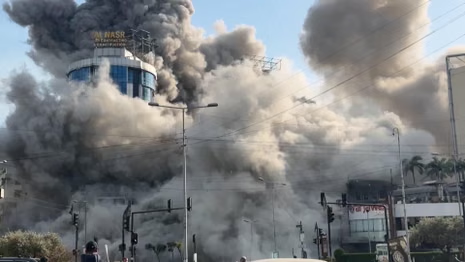
A deadly wave of airstrikes has intensified conflict between Israel and Lebanon, leaving at least 254 people dead and many more injured. The strikes, described as one of the most severe in recent months, have heightened fears of a broader regional conflict and drawn international attention.
Heavy Airstrikes Cause Widespread Destruction
The recent offensive saw Israeli forces carry out extensive airstrikes across multiple areas in Lebanon. Reports indicate that residential zones, infrastructure, and key locations were heavily impacted, resulting in significant casualties and destruction.
Emergency services struggled to respond as the scale of the attacks overwhelmed local resources. Hospitals in affected regions reported being stretched beyond capacity while rescue teams continued efforts to locate survivors under debris.
Rising Casualties and Humanitarian Concerns
The death toll has surpassed 254, with hundreds more injured, including civilians. Authorities have expressed concern over the growing humanitarian crisis, as families are displaced and basic services disrupted.
Aid organizations have called for immediate assistance and safe access to affected areas. The situation remains critical, with fears that the number of casualties may continue to rise as search operations proceed.
Global Reactions and Escalation Fears
The escalation has triggered strong reactions from the international community. World leaders and organizations have urged restraint and called for diplomatic solutions to prevent further violence.
Analysts warn that continued military actions could destabilize the broader Middle East, increasing the risk of a larger conflict involving multiple parties.


