


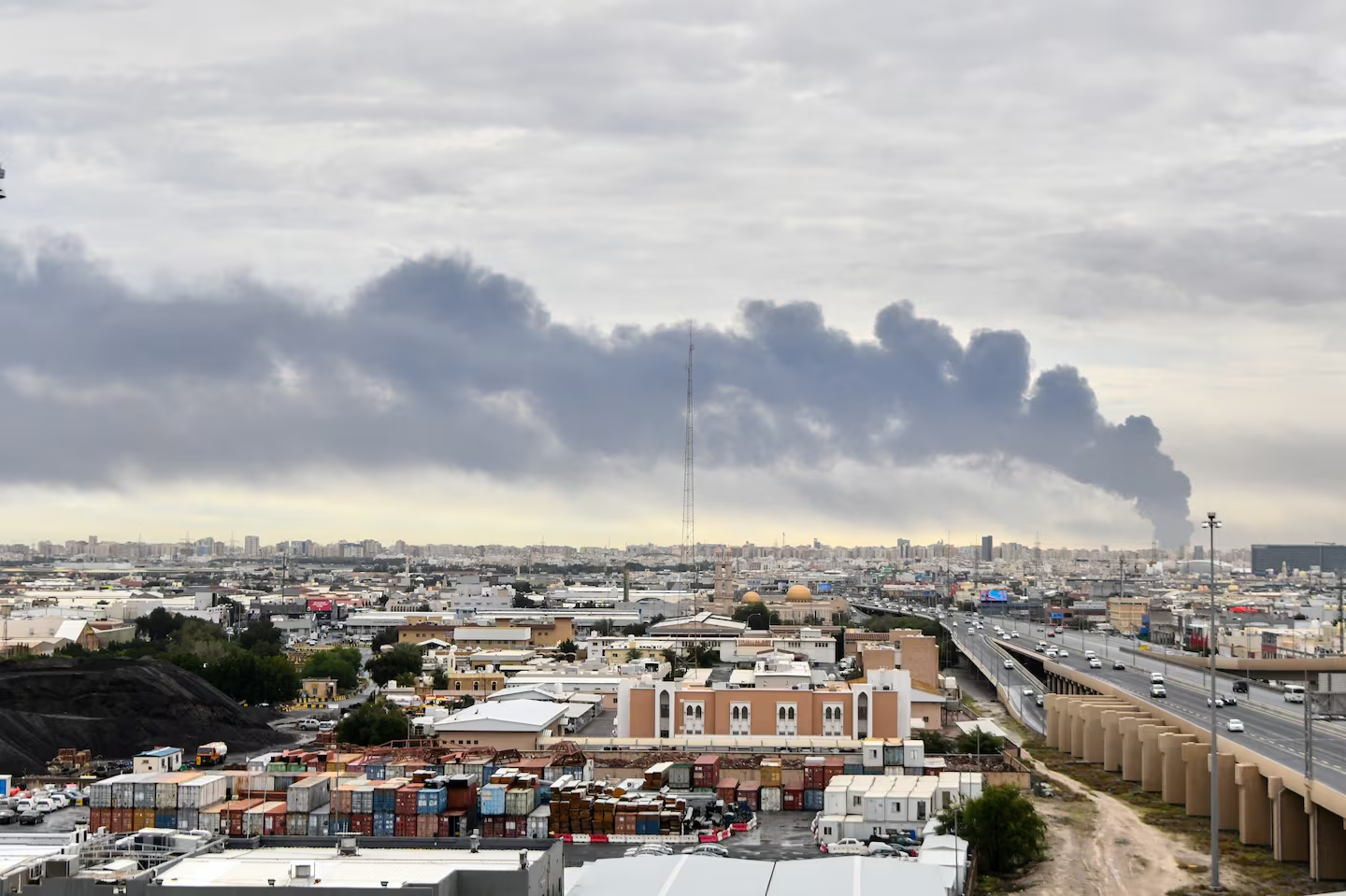
A fresh diplomatic push is underway to halt the ongoing conflict between the United States and Iran, as international mediators have shared proposals for an immediate ceasefire with both nations. The initiative aims to pause hostilities, stabilize global markets, and create a pathway for long-term peace negotiations.
The move comes at a critical moment, with escalating military strikes, rising civilian casualties, and growing fears of wider regional instability.
Ceasefire Proposal Focuses on Immediate De-escalation
The proposed framework reportedly outlines a temporary ceasefire—potentially lasting around 45 days—as a first step toward ending the conflict.
Key elements of the plan include:
- An immediate halt to military operations
- Reopening of the strategically vital Strait of Hormuz
- Launch of structured peace negotiations
The initiative has been facilitated by multiple countries, including Pakistan, Egypt, and Turkey, highlighting strong regional and international interest in preventing further escalation.
Iran Signals Caution Amid Ongoing Threats
While Iran has acknowledged receiving the proposal, officials have indicated that any agreement must align with national interests and cannot be accepted under pressure or threats.
Tehran has emphasized that negotiations should not be tied to ultimatums, especially as tensions remain high due to continued military activity and warnings of further strikes.
Recent statements from Iranian leadership also suggest that a formal response to the ceasefire framework is being prepared, though no final decision has been announced.
Rising Conflict Threatens Regional Stability and Oil Markets
The ceasefire effort comes amid intensified fighting involving multiple actors, including strikes on key infrastructure and retaliatory attacks across the region.
Control over the Strait of Hormuz—a crucial global oil transit route—has become a central issue, with disruptions already impacting energy markets and causing price volatility.
Despite diplomatic efforts, uncertainty remains high as both sides continue military operations while considering the proposed roadmap for peace.
Conclusion
The circulation of a ceasefire proposal offers a potential opening for de-escalation in one of the most volatile conflicts in recent times. However, with deep mistrust, ongoing violence, and competing demands, the path to peace remains uncertain.
Global attention now turns to how both nations respond—and whether diplomacy can succeed before the situation worsens further.


