


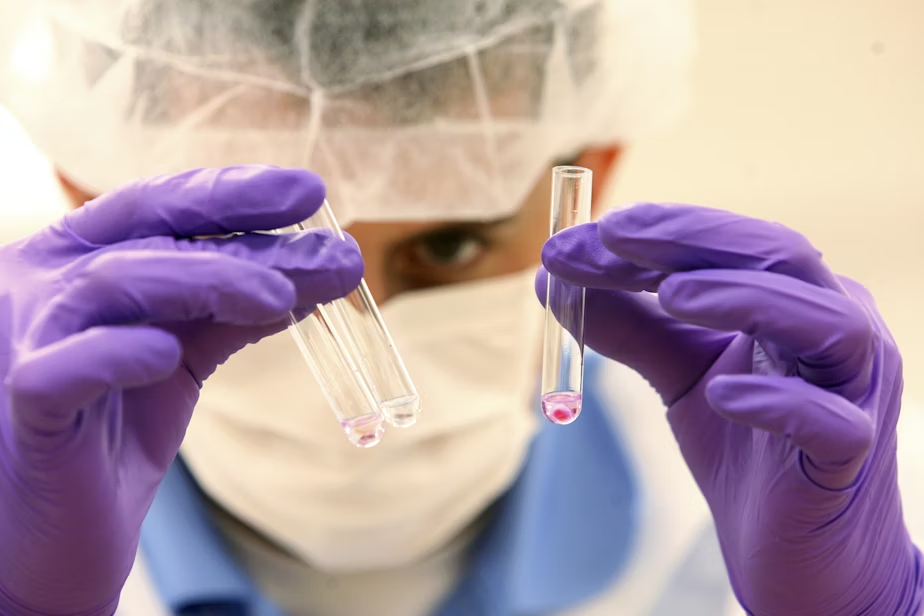
Urgent Push for Faster DNA Results in Guthrie Investigation
A retired FBI agent has publicly called on investigators to accelerate DNA testing in the ongoing Guthrie case, warning that waiting for routine processing could slow down justice. According to the former federal investigator, time-sensitive evidence must be prioritized to avoid losing critical leads.
The agent emphasized that in serious criminal investigations, especially those attracting national attention, law enforcement cannot afford to delay forensic analysis. “You don’t wait for FedEx on Monday morning,” he said, highlighting the need for immediate action rather than relying on standard shipping or lab timelines.
The Guthrie case has sparked widespread interest, with authorities working to piece together evidence that could clarify key aspects of the investigation.
Why Rapid DNA Testing Matters
DNA evidence often serves as a cornerstone in modern criminal cases. Fast turnaround times can help:
- Confirm or eliminate suspects quickly
- Strengthen probable cause for arrests
- Provide clarity to victims’ families
- Prevent further potential crimes
The retired FBI agent noted that rapid DNA technology now allows for quicker preliminary results compared to traditional lab testing. In urgent situations, specialized units can process samples within hours instead of days.
He argued that any delay — whether logistical or procedural — risks weakening investigative momentum. In high-stakes cases, even a short postponement can allow suspects to flee, destroy evidence, or coordinate stories.
Pressure Mounts in the Guthrie Case
Public scrutiny surrounding the Guthrie investigation continues to grow. Community members and legal experts alike are closely watching developments, particularly regarding forensic evidence.
The former FBI official stressed that swift testing not only benefits law enforcement but also reinforces public confidence. Transparency and speed, he suggested, are essential to maintaining trust in the justice system.
Authorities have not disclosed specific details about the evidence collected, but DNA analysis is believed to play a significant role in the case.
The Role of Forensic Technology in Modern Policing
Over the past decade, advances in forensic science have transformed criminal investigations. Rapid DNA systems and improved lab capabilities allow agencies to generate profiles faster than ever before.
However, access to such tools varies depending on jurisdiction and available resources. The retired agent’s remarks underscore an ongoing debate within law enforcement: whether all agencies are fully leveraging modern forensic capabilities when time is critical.
As the Guthrie case progresses, investigators face increasing pressure to ensure that every available method — especially DNA testing — is used efficiently and without unnecessary delay.


