


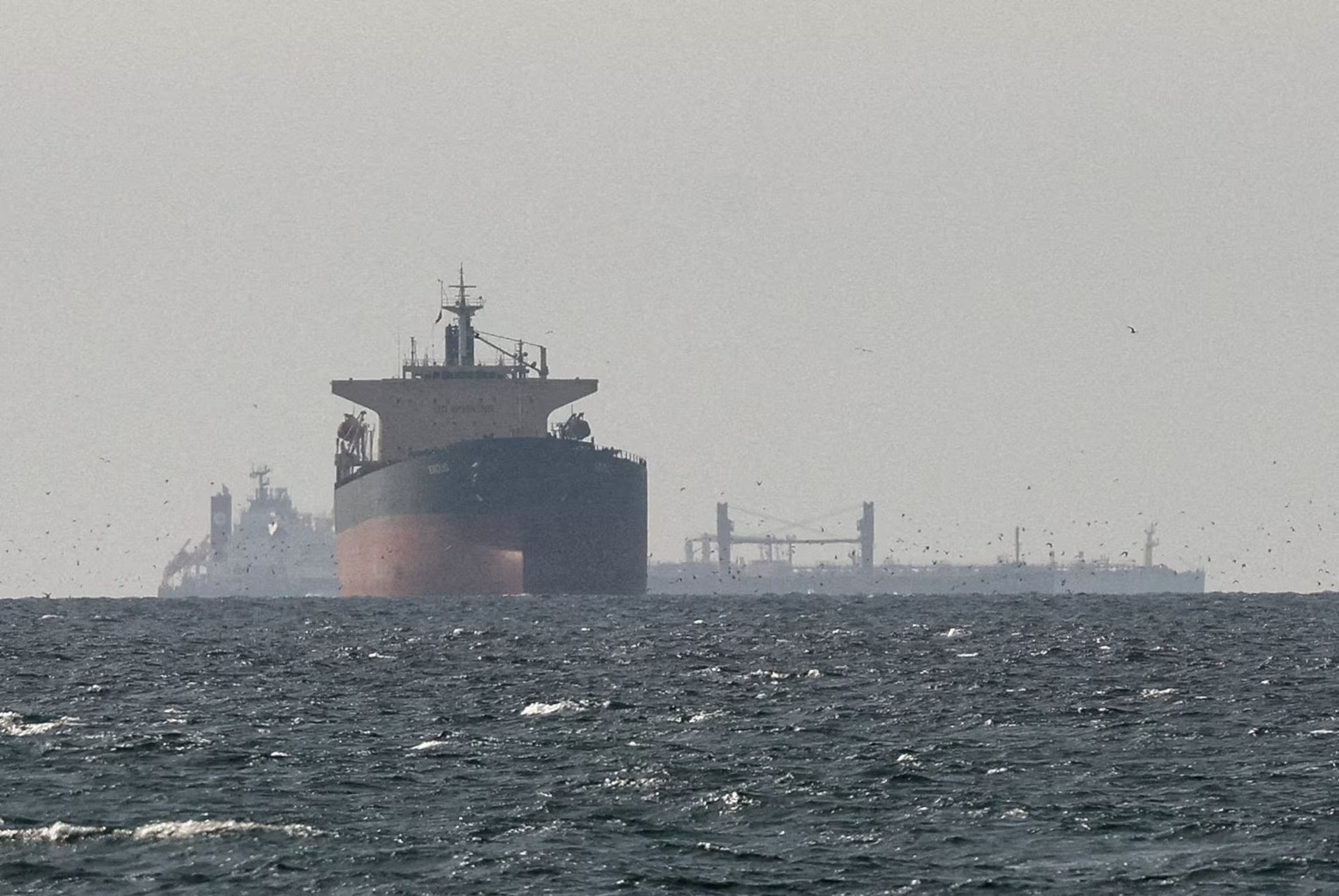
Fuel prices across the United States have climbed above $4 per gallon, marking their highest level in years as geopolitical tensions in the Middle East intensify. The surge comes amid escalating conflict involving Iran and strong warnings from former President Donald Trump about potential attacks on Iran’s critical energy infrastructure.
Gas Prices Surge as Global Oil Supply Disrupts
The sharp rise in gasoline prices is largely linked to disruptions in global oil supply chains caused by the ongoing conflict. The closure and instability around the Strait of Hormuz—one of the world’s most vital oil routes—has significantly reduced the flow of crude oil, pushing prices upward.
Crude oil rates have jumped above $100 per barrel, driving up fuel costs across the US despite the country’s domestic production capacity. Analysts note that even without a direct shortage, global market dependence has made American consumers vulnerable to international supply shocks.
The spike is already impacting household budgets, transportation costs, and inflation expectations, with diesel prices rising even faster than gasoline.
Trump Threatens to Target Iran’s Energy Facilities
Amid the crisis, Donald Trump has issued a strong warning to Iran, stating that the US could strike and destroy key energy infrastructure—including oil wells, power plants, and export facilities—if tensions escalate further.
These remarks have heightened fears of a broader regional conflict. Recent incidents, including attacks on oil tankers and energy assets, have already added volatility to global energy markets.
Experts warn that any direct targeting of energy facilities could further tighten oil supply and trigger even higher fuel prices worldwide.
Economic Impact and What Lies Ahead
The rise in fuel prices is expected to ripple across multiple sectors, increasing costs for travel, food, and logistics. Consumer sentiment has already shown signs of decline as energy expenses continue to climb.
While some analysts believe the price surge could stabilize if tensions ease, others caution that prolonged disruption may lead to sustained inflation and economic slowdown. The situation remains highly unpredictable, with future fuel costs closely tied to geopolitical developments.


