





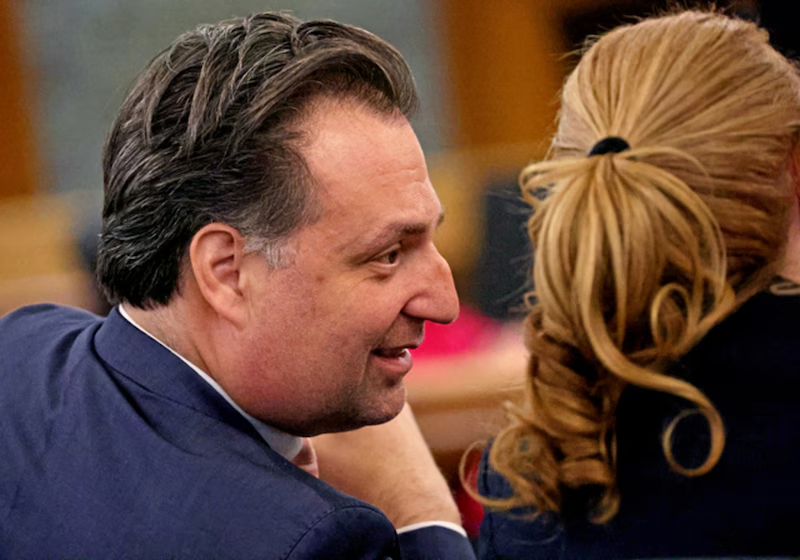
Dedham, Mass. — After weeks of intense testimony, closing arguments have begun in the first-degree murder trial of Brian Walshe, the Massachusetts man accused in the disappearance and alleged killing of his wife, Ana Walshe. The case — marked by emotional witness accounts, surveillance evidence, and forensic details — now rests with the jury as both sides deliver their final pitches.
Surveillance Footage and Forensic Evidence Highlighted
Prosecutors presented a timeline of Brian Walshe’s actions on Jan. 1, 2023, the day Ana Walshe was last seen alive. Key evidence includes:
- Surveillance video showing Walshe making purchases at multiple Massachusetts stores shortly after his wife vanished;
- Internet searches on dismemberment and body disposal in the days surrounding her disappearance;
- Blood-stained tools and discarded materials found near a family property.
Prosecutors have used these details to argue premeditation, undermining the defense’s claims of accidental death.
Defense Frames Case as Panic, Not Premeditation
In contrast, the defense maintains that while Brian Walshe made false statements and improperly discarded remains, there is no definitive evidence proving he caused his wife’s death. Their closing argument focused on:
- A narrative of panic and confusion following Ana’s unexplained death;
- Emphasizing that Ana’s body has never been found and no medical cause of death has been established;
- Urging the jury to consider reasonable doubt rather than circumstantial evidence.
The defense rested its case without calling any additional witnesses, making this closing moment critical.
Jury to Decide After High-Profile Proceedings
The trial has drawn national attention due to the severity of the allegations, the emotional testimony of friends and family, and the dramatic nature of the evidence presented. As closing arguments conclude, the jury will now begin deliberations to determine whether Walshe is guilty of first-degree murder — a decision with life-altering consequences.