The U.S. Department of Justice (DOJ) has begun publishing a long-awaited batch of documents tied to the Jeffrey Epstein investigations, as mandated by a new federal transparency law. However, the partial release has triggered fierce criticism from lawmakers and advocacy groups, who argue that the files are overly redacted and that several items, including a controversial photograph involving President Donald Trump, were inexplicably removed from the public archive.
DOJ Release Sparks Political Outcry
The Justice Department’s initial Epstein files release includes thousands of pages of legal records, photographs, and investigative material, but most entries have been heavily redacted. Critics argue that the release falls short of the full disclosure required by the Epstein Files Transparency Act, which set a firm deadline for public access.
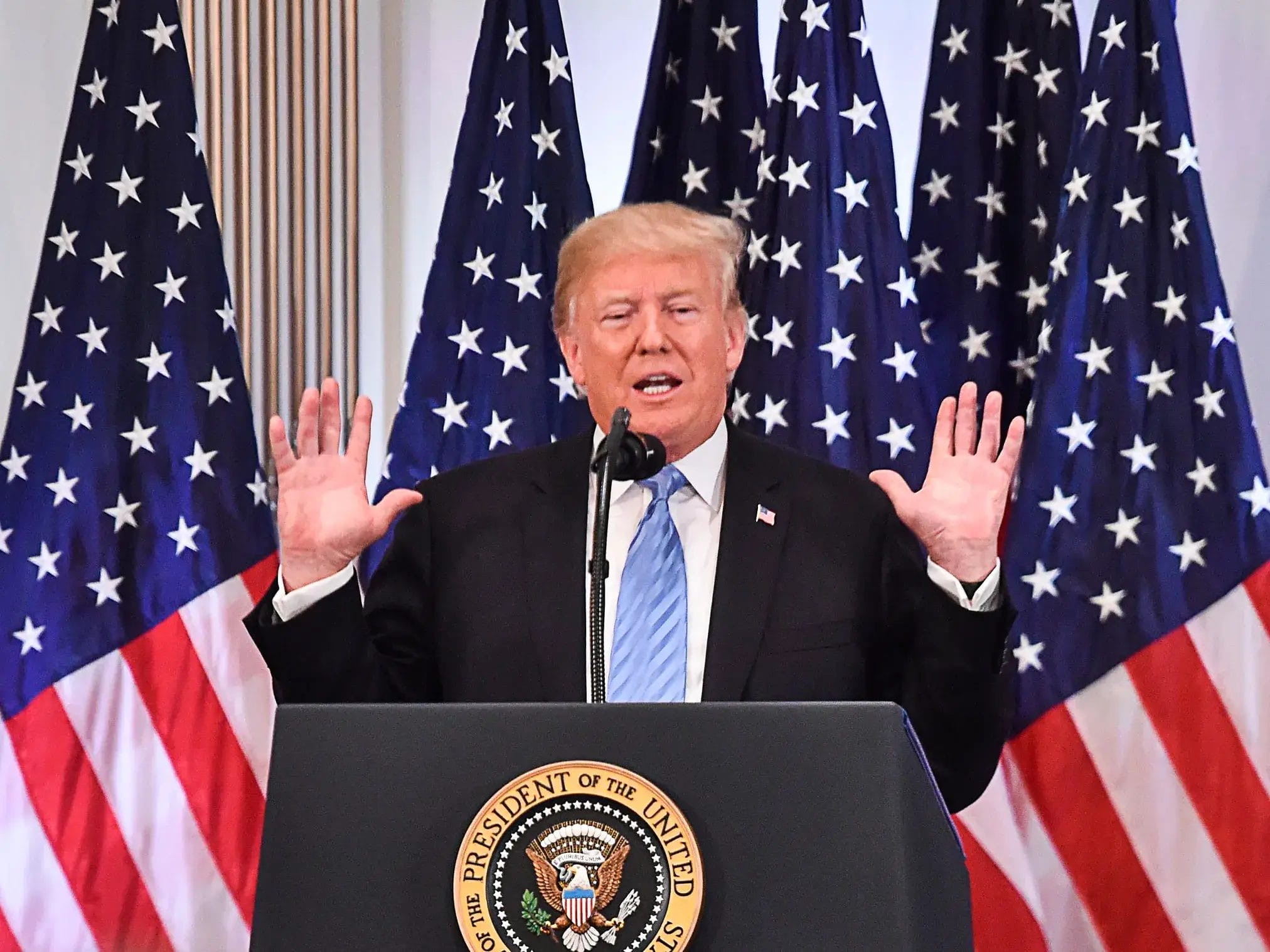
Lawmakers from both parties have voiced frustration with the DOJ’s handling of the files, particularly the decision to remove at least 16 documents from the online library shortly after publication. Among those allegedly pulled was an image depicting President Trump alongside Epstein and others — a move opponents claim undermines transparency and fuels accusations of insider influence.
Opposition leaders, including prominent Democrats and some Republicans who supported the legislation, have threatened legal action and intensified calls for accountability, saying the partial disclosure does not comply with legal requirements.
Content of the Released Files
Despite controversy, the documents do shed light on aspects of the Epstein case that had been previously unseen by the public. The released material includes redacted photos of Epstein with notable figures, court filings, and elements of past investigations. Images of former President Bill Clinton, pop stars, and high-profile personalities appear in the collection, though the presence of names or images does not, in itself, imply criminal conduct.
Survivors and legal advocates, however, have expressed disappointment over the significant redactions, arguing that the material obscures key details rather than revealing them. Pressure is now mounting on the DOJ to release the remaining files promptly and with fewer omissions.
Looking Ahead: Deadlines and Legal Pressure
The transparency law required a substantial public release of Epstein-related records by mid-December 2025, and the DOJ has indicated it will continue publishing additional documents in the coming weeks. Yet the controversy over the missing files and the handling of sensitive information has made this legal requirement a contentious matter in Washington. Reuters
As the debate continues, lawmakers and victims’ advocates are pushing for a detailed accounting of what was released, what was withheld, and why. The unfolding situation may lead to further oversight hearings or judicial challenges if confidence in the process does not improve.