




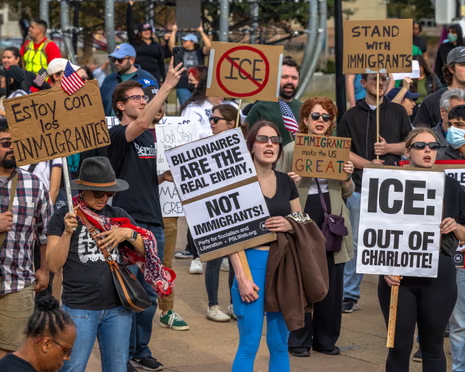
In a forceful move, federal immigration authorities descended on Charlotte, North Carolina, over the weekend, detaining dozens of individuals in a blitz that has rattled the city’s immigrant communities. While officials cast the raid as a needed crackdown on crime, local leaders and activists argue the operation has engendered fear, confusion and mistrust—raising questions about enforcement tactics and civil-rights protections.
Federal Agents Target Charlotte Amid Local Push-back
Officials with the federal border-agency openly celebrated what they described as a five-hour sweep that netted approximately 80 people with “significant criminal and immigration history.” The operation appeared to follow strategies previously deployed in other major cities, including Chicago and Los Angeles, and targeted locations such as apartment buildings and places of worship. Critics say the operation felt less like crime-fighting and more like a show of force, especially in a city whose crime rate has been trending downward for years.
Fear and Uncertainty Spread Through Immigrant Neighbourhoods
Following the sweeps, many neighborhoods that are usually vibrant and busy turned uncharacteristically quiet. Several businesses chose to close during peak hours, as residents stayed home to avoid potential collisions with immigration agents. A local nonprofit offering dental and medical services to Latino communities reported a wave of cancellations and patients afraid to leave their homes. The atmosphere of unease has drawn wide criticism from city leaders, who say the crackdown undermines community trust and sows division, especially when applied in places of worship and residential corridors.
Community Leaders Demand Answers and Accountability
In response, city officials—including the mayor, county commission chair and school-board leader—issued a joint statement emphasizing that Charlotte’s diversity is its strength and warning the operation risked unnecessary fear and injustice. Immigrant-advocacy groups labeled the operation “shameful” and say it mirrors tactics used in earlier controversial raids that triggered lawsuits over excessive force and civil-rights violations. Though federal agencies have released minimal detail about the targets or the criteria used, critics say the lack of transparency only deepens the community’s anxiety.