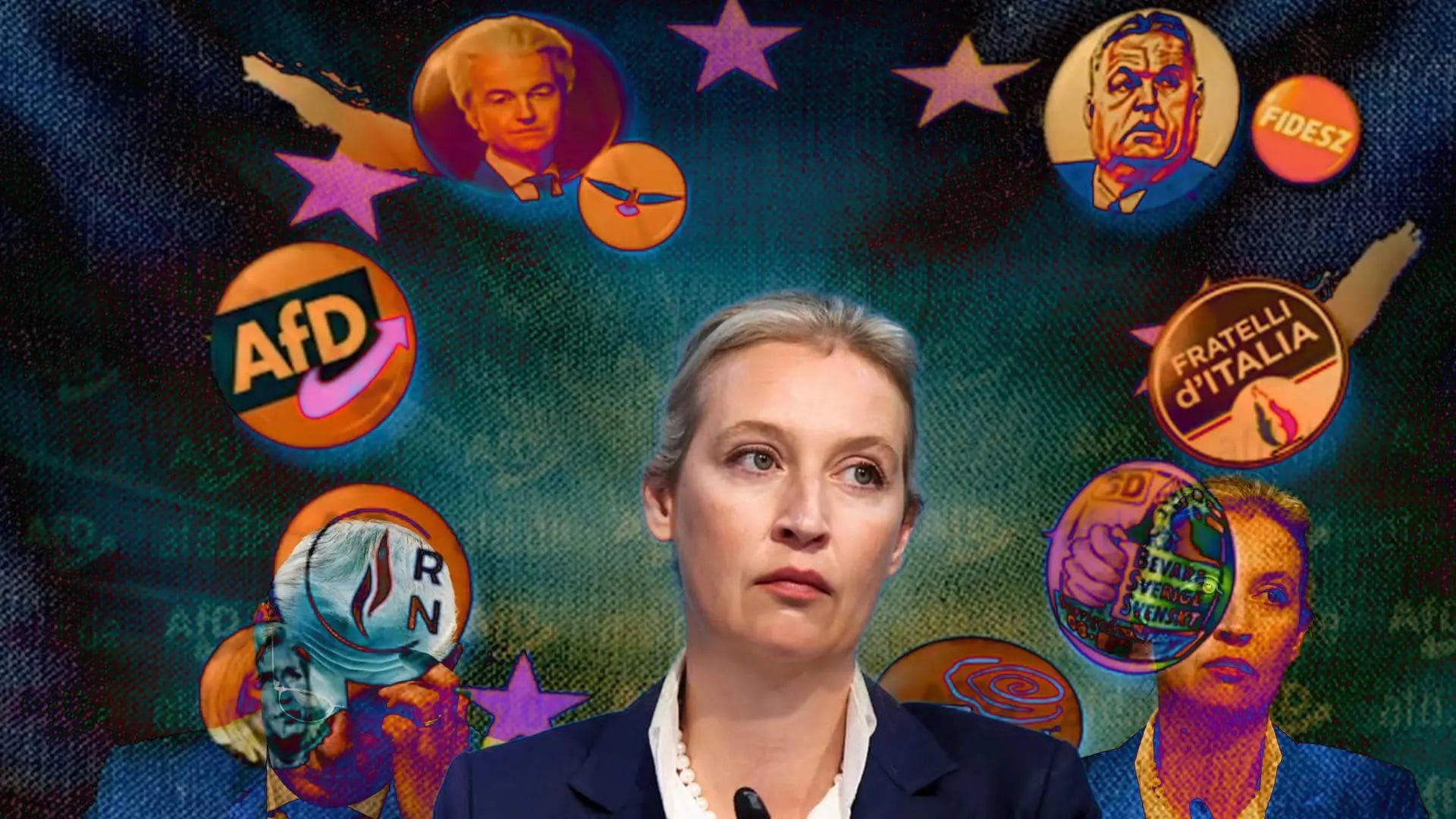
New analysis of electoral trends across the European continent reveals a significant shift in the political landscape, with far-right parties now commanding the largest average vote share in modern history. According to weighted election data, these parties have secured an average of 24% of the vote across European democracies. This figure represents the highest level of support for this segment of the political spectrum since the 1930s, marking a distinct departure from the post-war political consensus.

The data underscores a period of profound transformation for European governance. For much of the late 20th and early 21st centuries, political power in Europe was largely consolidated around center-right and center-left parties. However, the rise to a 24% vote share indicates that the traditional political center is experiencing a fragmentation of support. This erosion of the mainstream vote has necessitated new strategies for coalition building, as forming stable majorities becomes mathematically more difficult without engaging with parties that were previously considered on the political fringe.
The comparison to the 1930s serves as a statistical benchmark that highlights the scale of current voter realignment. While the geopolitical and social conditions of the contemporary era differ substantially from the interwar period, the data suggests a resurgence in nationalist and populist sentiment that is reshaping the electoral map. Political analysts attribute this trend to a variety of complex factors, including responses to globalization, economic fluctuations, and ongoing debates regarding migration and national sovereignty. As a result, parties running on platforms emphasizing these issues have moved from the periphery to become central players in national legislatures.

The implications of this shift are visible in the changing dynamics of parliamentary arithmetic. In several nations, the success of far-right movements has challenged the traditional “cordon sanitaire”—the practice of mainstream parties refusing to cooperate with the far-right. As these parties secure nearly a quarter of the vote on average, the pressure to integrate them into the policymaking process, either through direct governance or confidence-and-supply agreements, has increased.
Observers note that this record high is not an isolated event but rather the culmination of a steady upward trajectory observed over the past decade. As the electoral cycle continues across the continent, the 24% figure stands as a critical indicator of the evolving relationship between European citizens and their democratic institutions. Whether this trend represents a permanent realignment or a peak in a cyclical fluctuation remains a subject of intense study, but the current data confirms that the European political environment has entered a new and more fragmented phase.