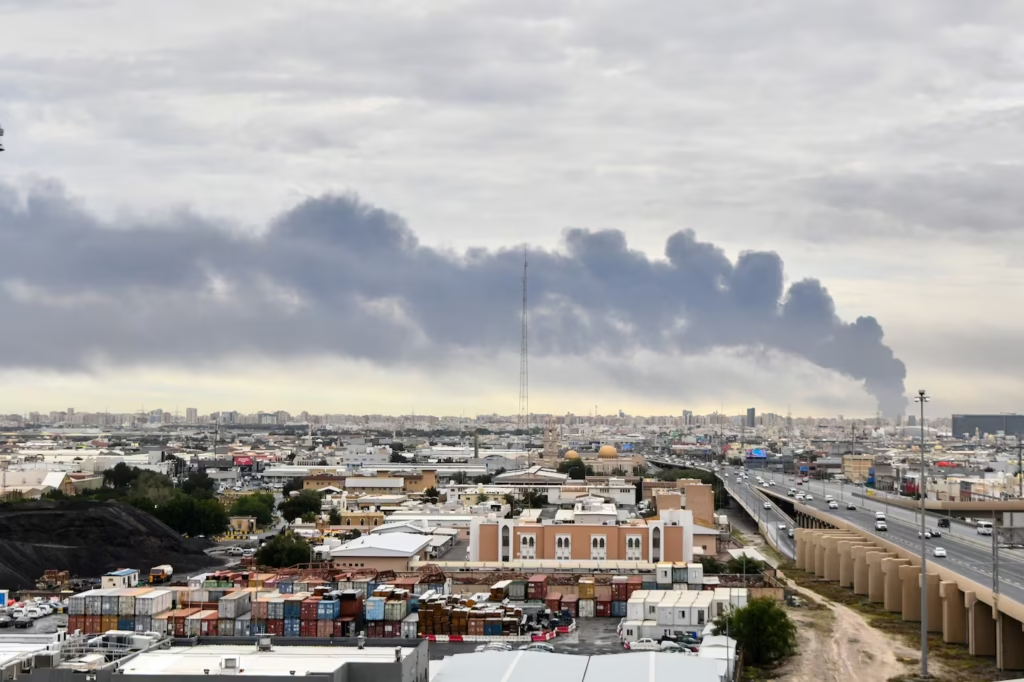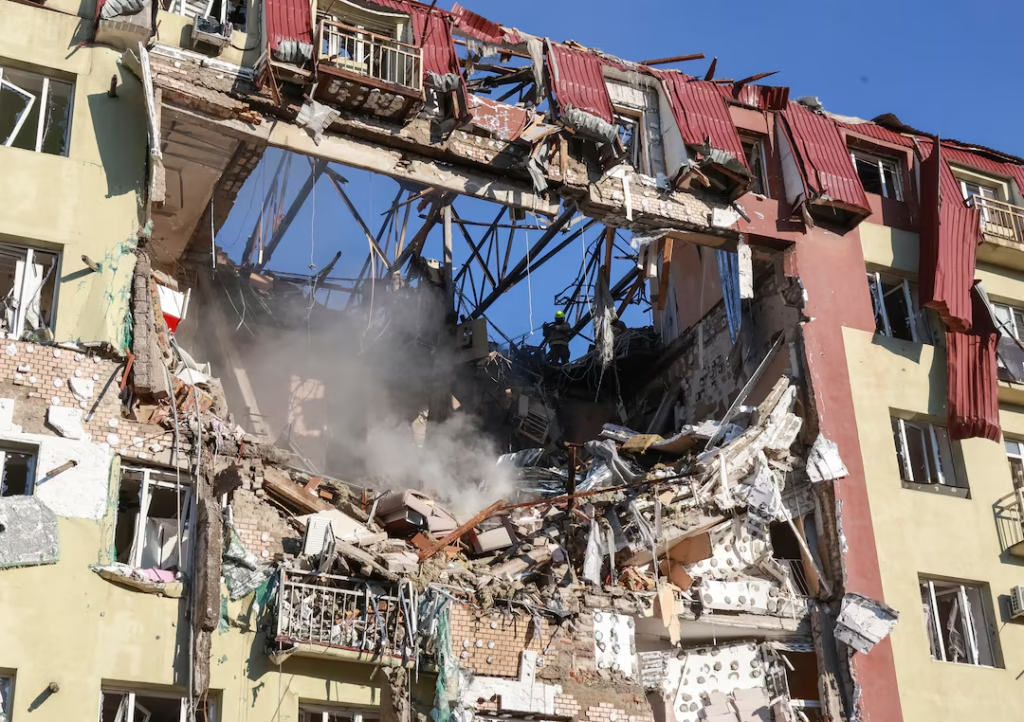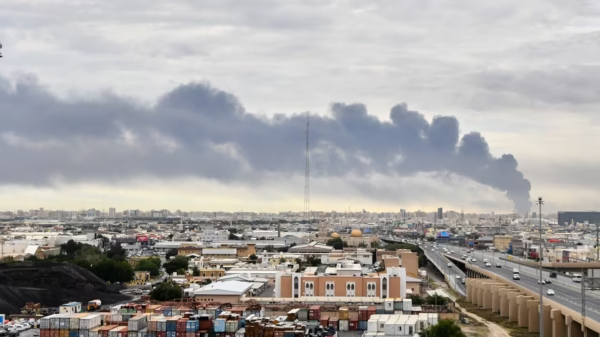
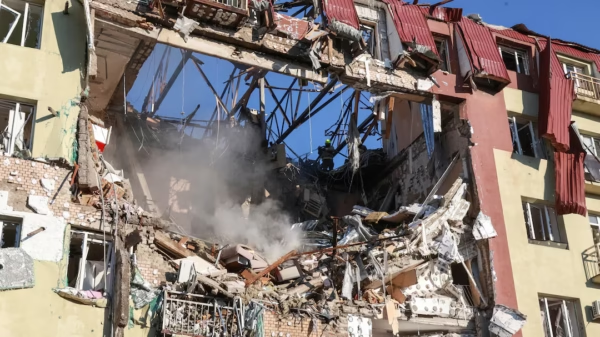





Tensions between the United States and Iran have intensified after Iran rejected a proposed temporary ceasefire linked to reopening the strategically vital Strait of Hormuz. The move comes as former US President Donald Trump issued a strict deadline, warning of severe consequences if the waterway is not reopened, raising fears of further escalation in the region.
Iran Refuses Temporary Ceasefire Proposal
Iran has firmly declined a ceasefire plan that would require reopening the Strait of Hormuz as an initial step. Officials indicated that Tehran is unwilling to accept short-term arrangements, arguing that a temporary truce could benefit opposing forces without addressing long-term concerns.
The proposal, reportedly put forward by international mediators, outlines a two-phase approach—starting with an immediate ceasefire followed by broader negotiations. However, Iran has emphasized that it will not make decisions under pressure or external deadlines.
Authorities have also expressed skepticism about whether the US is genuinely prepared for a lasting peace agreement, reinforcing their reluctance to commit to interim solutions.
Trump Issues Ultimatum Over Key Oil Route
Amid the diplomatic deadlock, Donald Trump has demanded that Iran reopen the Strait of Hormuz by a set deadline, warning of potential military action targeting critical infrastructure if the demand is not met.
The Strait of Hormuz is one of the world’s most crucial oil transit routes, handling a significant share of global energy shipments. Any disruption has immediate implications for global markets and energy security.
Trump’s warning marks a sharp escalation in rhetoric, with the US signaling readiness to take aggressive measures if negotiations fail.
Global Impact and Rising Uncertainty
The standoff has already affected global oil markets, with prices experiencing sharp fluctuations as uncertainty grows.
Meanwhile, diplomatic efforts continue behind the scenes, with multiple countries attempting to broker a broader agreement that could stabilize the region. Despite ongoing talks, both sides remain far apart on key conditions, keeping the risk of further conflict high.
Conclusion
Iran’s rejection of a temporary ceasefire highlights deep mistrust between the two sides, even as international mediators push for de-escalation. With the US deadline approaching and no agreement in sight, the situation surrounding the Strait of Hormuz remains volatile, with significant implications for global stability and energy supply.