








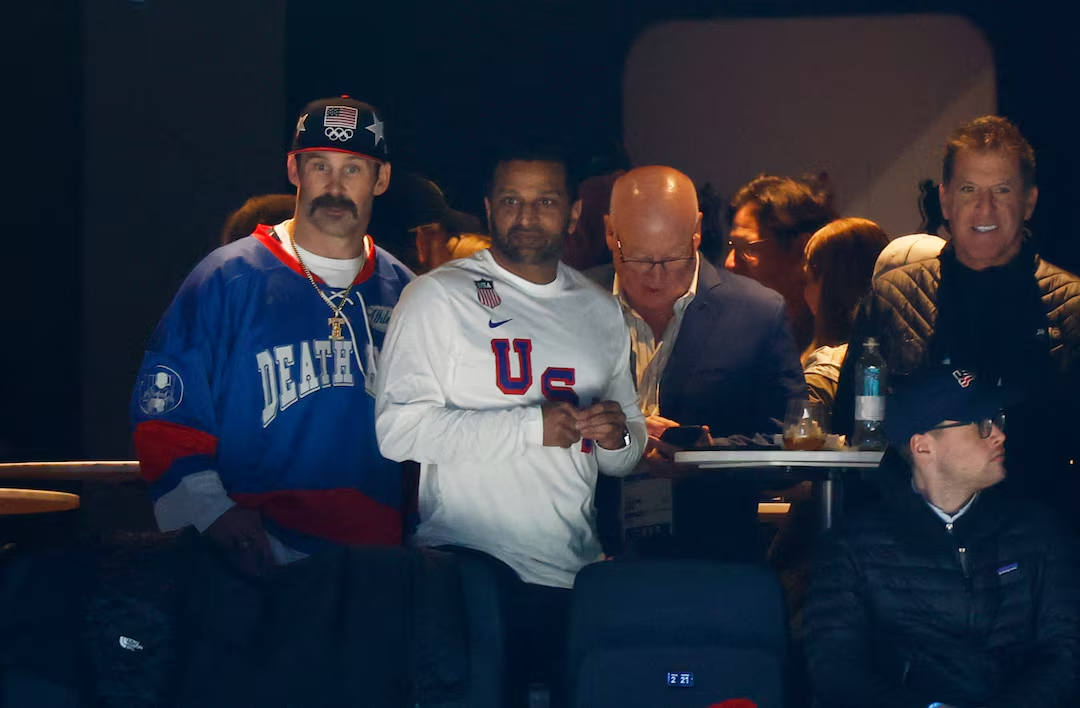
FBI Director Kash Patel is defending his presence in the airport celebration with the U.S. men’s hockey team after their dramatic gold medal victory at the 2026 Winter Olympics in Milan, Italy. Videos of Patel chugging beer and sharing the locker-room jubilation have gone viral, stirring debate back home in Washington about the appropriateness of his conduct and the purpose of his trip.
Celebration Sparks Political Firestorm
Patel appeared in footage cheering alongside the historic U.S. men’s hockey squad following their 2-1 overtime win over Canada, a first Olympic gold in the sport for the U.S. in decades. The scenes — featuring beer bottles and laughter in the locker room — drew both cheers from supporters and sharp criticism from opponents who argue his actions were unbecoming of an FBI leader.
Democratic lawmakers took to social media, labeling the trip a misuse of taxpayer dollars and questioning why the FBI director was in Italy for a high-spirited party rather than focusing on pressing issues at home. Critics highlighted previous controversy surrounding his use of FBI aircraft for personal travel.
Patel Stands By His Actions
In response to the backlash, Patel posted on social media that he felt “extremely humbled” to be invited into the locker room by the victorious athletes and said his celebration was a spontaneous expression of pride in Team USA. He emphasized his love for the country and support for its Olympic champions.
FBI officials clarified that Patel was in Milan for official engagements, including security meetings with Italian authorities tied to the Olympic Games. A spokesperson also said Patel would personally cover any expenses related to the celebratory aspects of the trip.
Blurred Lines Between Duty and Personal Enjoyment?
The episode has reignited discussions about where the line should be drawn between personal enthusiasm and professional obligations for senior government officials. While supporters view Patel’s appearance with the team as a morale-boosting moment of national pride, detractors argue it exemplifies blurred boundaries and misplaced priorities.