Federal Charges Dropped in Chicago Immigration Protest Case
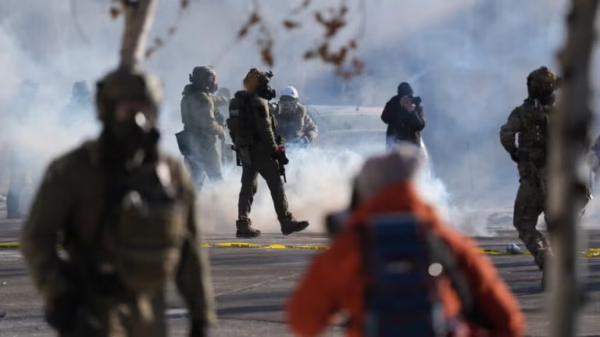
The U.S. Department of Justice has officially ended its prosecution of four activists connected to a protest outside an immigration detention facility in the Chicago suburbs. The decision closes a legal battle that began after demonstrations tied to a large-scale immigration enforcement operation sparked tensions between protesters and federal authorities.
The defendants were among a group commonly referred to as the “Broadview Six,” who had originally faced allegations related to obstructing federal officers during a protest near an immigration processing center in Broadview, Illinois. Earlier felony accusations had already been reduced or dismissed before prosecutors moved to drop the remaining charges.
Grand Jury Concerns Played Key Role
The case took a dramatic turn after questions emerged regarding the handling of grand jury proceedings. Court reviews focused on allegations that prosecutors may have acted improperly during the indictment process, including concerns about juror management and the presentation of evidence.
Following judicial scrutiny, U.S. Attorney Andrew Boutros announced that the government would dismiss the remaining charges. Court records indicate the dismissals were made with prejudice, meaning the defendants cannot be prosecuted again on the same allegations.
Case Marks Another Setback for Immigration Enforcement Prosecutions
The protest case stemmed from demonstrations connected to a major immigration enforcement campaign in the Chicago region. The operation triggered significant public opposition and led to multiple legal disputes involving protesters, activists, and federal agencies.
Defense attorneys argued throughout the proceedings that the charges lacked a solid legal foundation and were influenced by political considerations. With all six defendants now free of charges, the prosecution has effectively collapsed, while discussions continue over possible consequences related to the handling of the investigation and grand jury process.
What Happens Next?
Although the criminal case has concluded, the court may continue reviewing issues surrounding prosecutorial conduct. Legal experts say the outcome could influence how future protest-related federal cases are handled, particularly when grand jury procedures come under scrutiny.