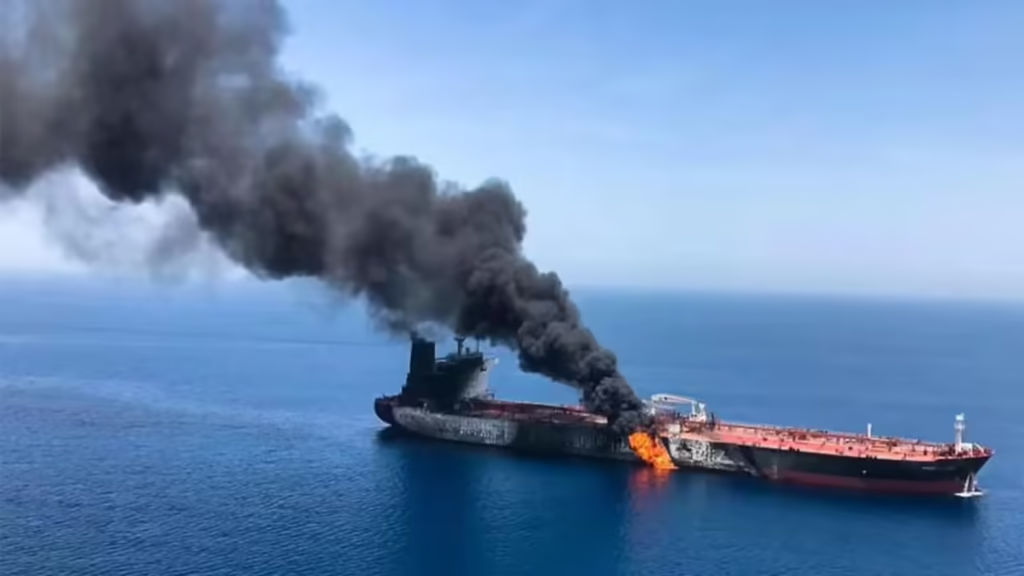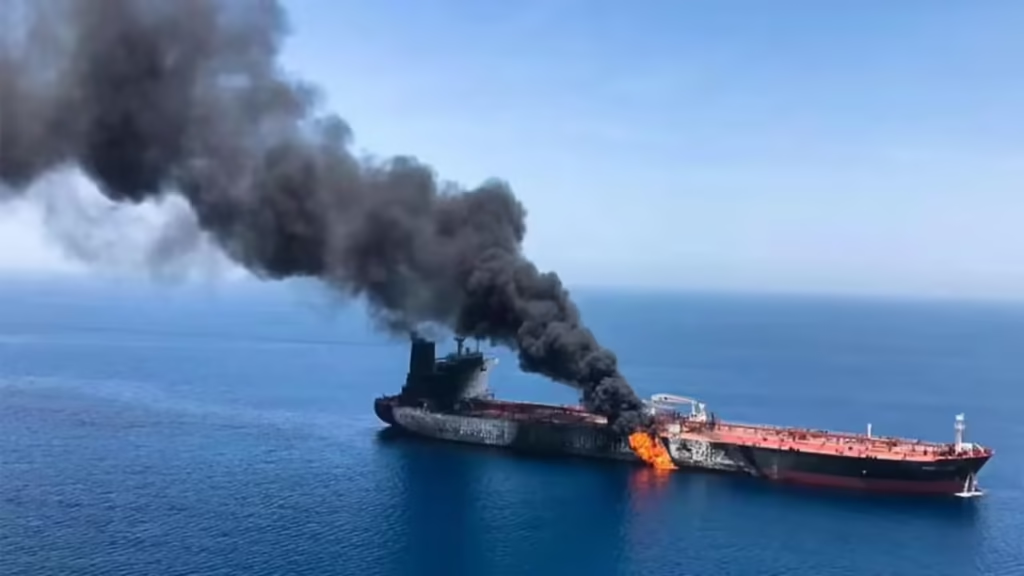





A temporary ceasefire between the United States and Iran is facing uncertainty as the White House made it clear that the agreement depends on keeping the Strait of Hormuz open. The strategic waterway, which carries a significant portion of the world’s oil supply, has become the central condition for maintaining peace. While both sides agreed to pause hostilities, mixed signals and ongoing regional tensions have raised doubts about how long the truce will last.
🔹 Ceasefire Linked to Strait Access
According to U.S. officials, the ceasefire will only continue if Iran ensures uninterrupted access through the Strait of Hormuz. The administration has emphasized that reopening the route is not optional but a key requirement for the agreement to hold.
The deal includes a short-term pause in fighting, giving both nations time to negotiate a broader settlement. However, Washington has insisted that any delay or restriction in maritime movement could jeopardize the fragile agreement.
🔹 Iran’s Position and Conditions
Iran has signaled that it may allow controlled passage through the strait, but under strict coordination with its military forces. Officials in Tehran have suggested that ships may need approval before transit, indicating continued influence over the route.
There are also indications that Iran could impose conditions such as transit regulations or fees, highlighting its strategic leverage over global shipping. This approach has raised concerns among international stakeholders who rely on the waterway for energy supplies.
🔹 Fragile Peace and Global Impact
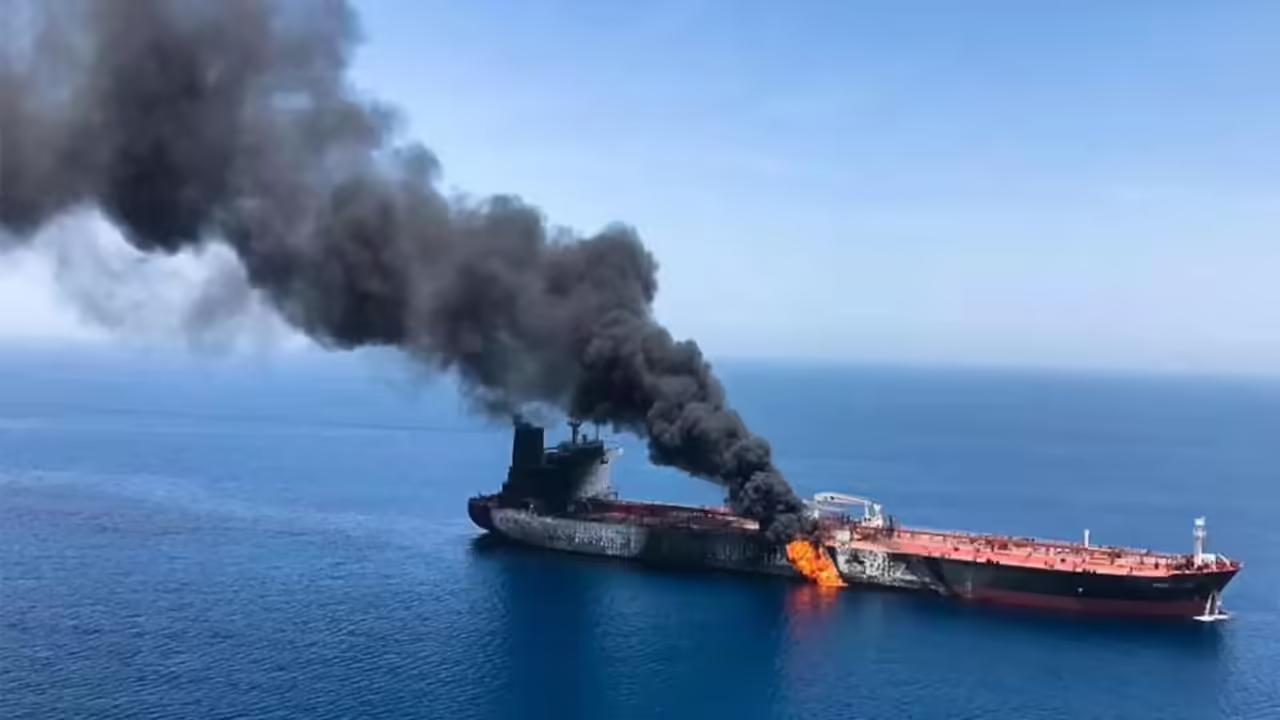
Despite the ceasefire announcement, the situation remains unstable. Reports indicate that shipping activity has not fully resumed, with many vessels still avoiding the area due to safety risks.
The Strait of Hormuz handles nearly a fifth of the world’s oil flow, making its status critical for global markets. Even a temporary disruption has already affected energy prices and supply chains.
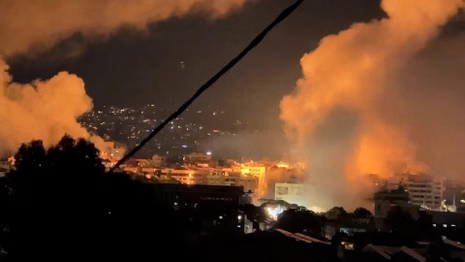
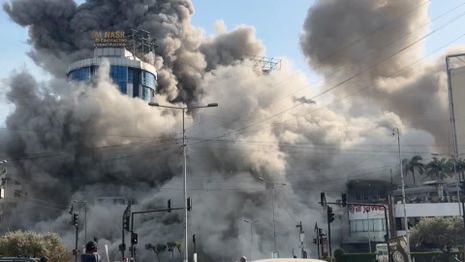
Additionally, ongoing conflicts in the region, including fighting involving other groups, continue to complicate the ceasefire and threaten long-term peace.
🔚 Conclusion
The current ceasefire between the U.S. and Iran remains highly conditional and uncertain. While the agreement has paused immediate escalation, its future depends heavily on the free flow of shipping through the Strait of Hormuz. With both sides holding firm positions and regional tensions still active, the coming days will be crucial in determining whether this truce leads to lasting stability or renewed conflict.