US Signals Most Intense Day of Airstrikes in Iran
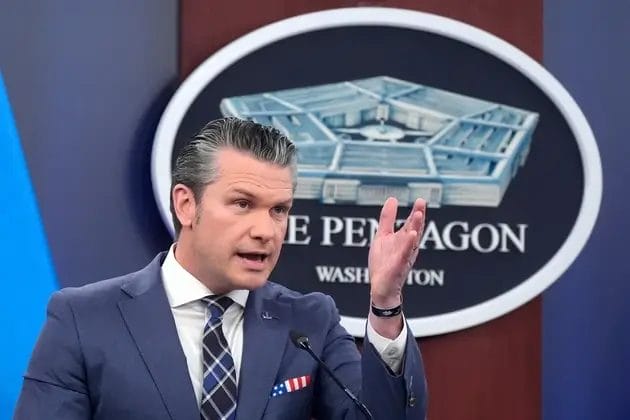
The United States is preparing for what officials describe as the most aggressive round of military strikes inside Iran since the current conflict began. Defense Secretary Pete Hegseth announced that the latest phase of the campaign will involve a significant increase in aerial operations aimed at weakening Iran’s military capabilities.
Speaking during a Pentagon briefing, Hegseth said the upcoming wave of attacks would represent the heaviest day of strikes so far in the operation. According to U.S. officials, the mission focuses on eliminating strategic threats, including missile launch sites, naval forces, and infrastructure linked to Iran’s military programs.
The strikes are part of an ongoing military campaign launched earlier this year in response to rising tensions and regional attacks.
Focus on Missile Systems and Military Infrastructure
U.S. military planners say the intensified air campaign aims to further degrade Iran’s ability to conduct missile and drone operations. Senior defense officials indicated that the operation will deploy a larger number of fighter jets and bombers compared with previous days of the conflict.
The Pentagon maintains that the strikes are designed to target military assets rather than civilian locations. Key objectives include missile bases, naval vessels, and strategic facilities believed to support Iran’s offensive capabilities.
Military leaders also noted that earlier operations have already damaged several Iranian military installations, reducing the frequency of missile attacks launched by Iranian forces during the conflict.
Regional Tensions Continue to Rise
As the air campaign intensifies, tensions across the Middle East remain high. Iran has responded with missile and drone attacks targeting locations in the region, raising concerns about further escalation and potential disruption to global energy supplies.
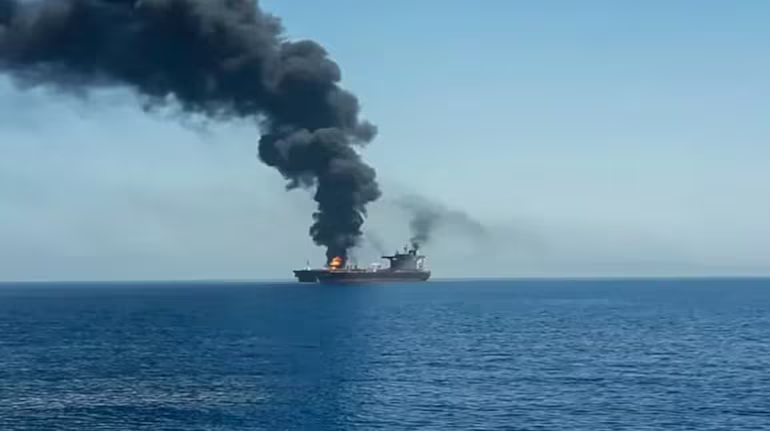
The ongoing conflict has also increased pressure on international shipping routes and oil markets, particularly around the Strait of Hormuz, a key passage for global energy shipments. Governments and security analysts are closely monitoring developments as military operations continue.
Despite the escalating strikes, U.S. officials say the campaign is intended to achieve strategic objectives without becoming a prolonged conflict.