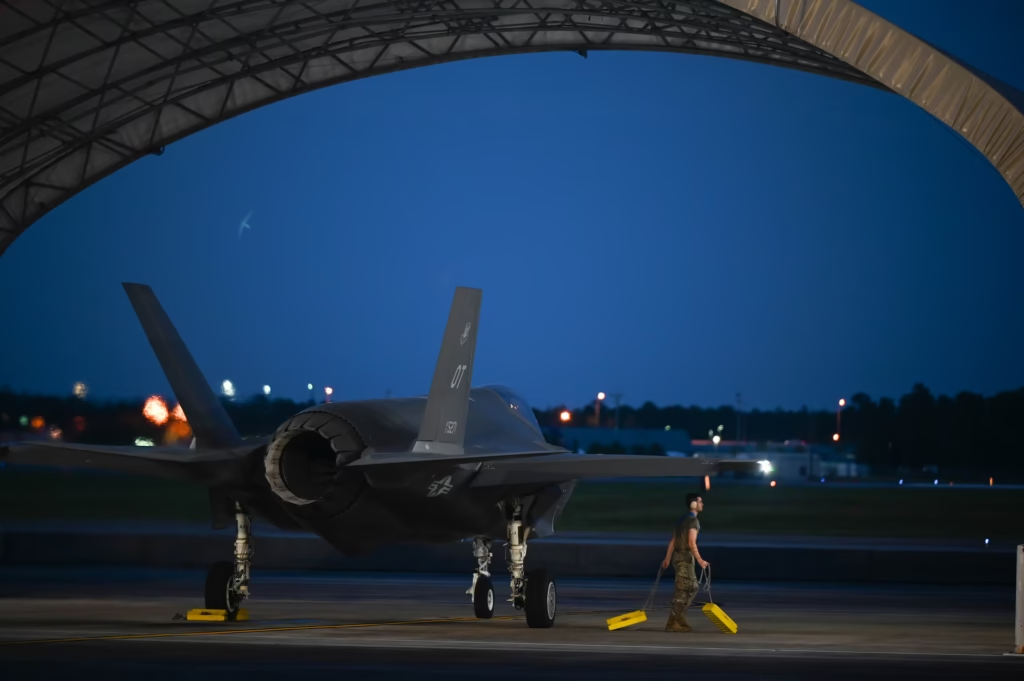


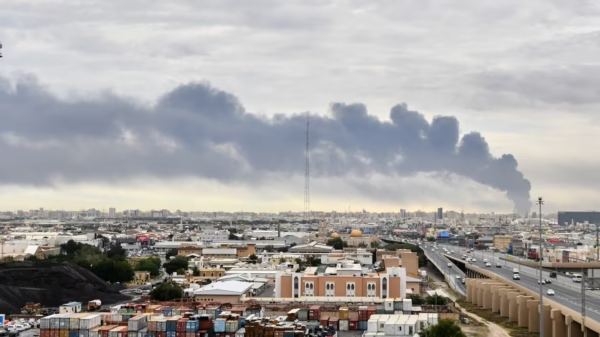
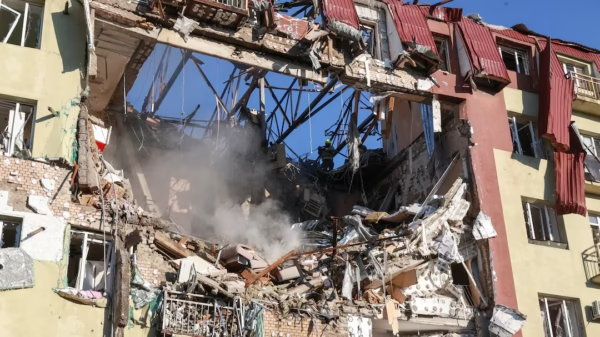





A dramatic U.S. military strike on Iranian targets has sharply intensified tensions in the Middle East, placing the world on edge and triggering urgent diplomatic efforts to contain the crisis. The decision by U.S. President Donald Trump to launch large-scale attacks on Iran is being viewed by analysts as a high-risk move with far-reaching geopolitical and economic consequences. As military operations expand, governments and international organizations are scrambling to prevent the situation from spiraling into a broader regional war.
U.S. Strikes Escalate the Iran Conflict
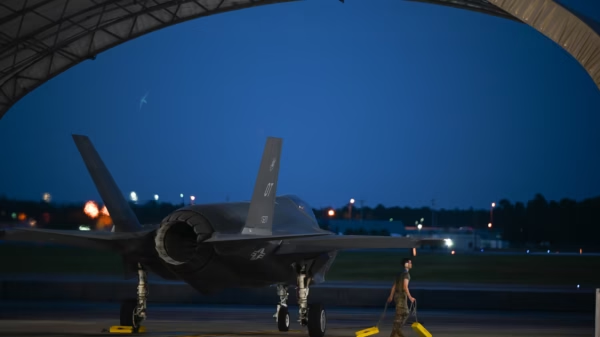
The conflict intensified after coordinated attacks by the United States and Israel targeted Iranian military infrastructure in late February. The campaign, described by Washington as necessary to neutralize security threats, marked one of the most significant military actions against Iran in years.
Recent airstrikes have also focused on Iran’s strategic assets, including Kharg Island, a critical hub for the country’s oil exports. The facility handles the majority of Iran’s oil shipments, making it a key economic lifeline. Analysts say strikes on such targets could weaken Iran’s ability to finance military operations and escalate pressure on the country’s leadership.
President Trump has defended the military campaign, claiming the operations are designed to eliminate threats and weaken Iran’s military capabilities. However, critics argue that the aggressive approach risks provoking retaliation and widening the conflict.
Iran’s Response Raises Regional Security Fears
Iran has responded with threats of retaliation against U.S. forces and allies across the region, raising concerns that the conflict could expand beyond Iran’s borders. Tehran has warned that American military facilities and strategic infrastructure in the Middle East could become targets if attacks continue.
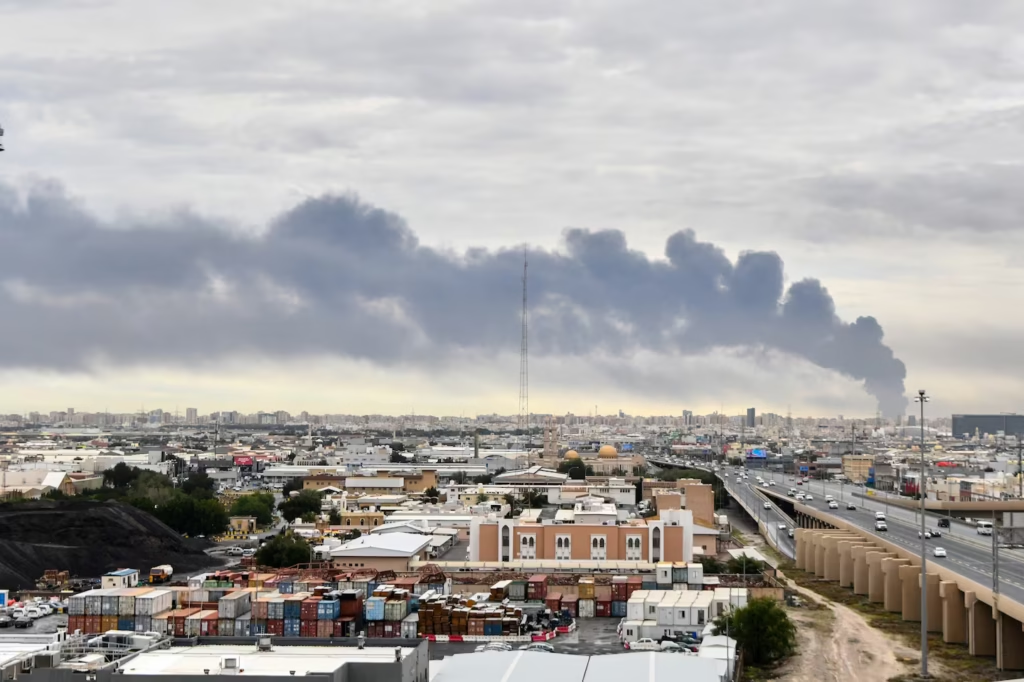
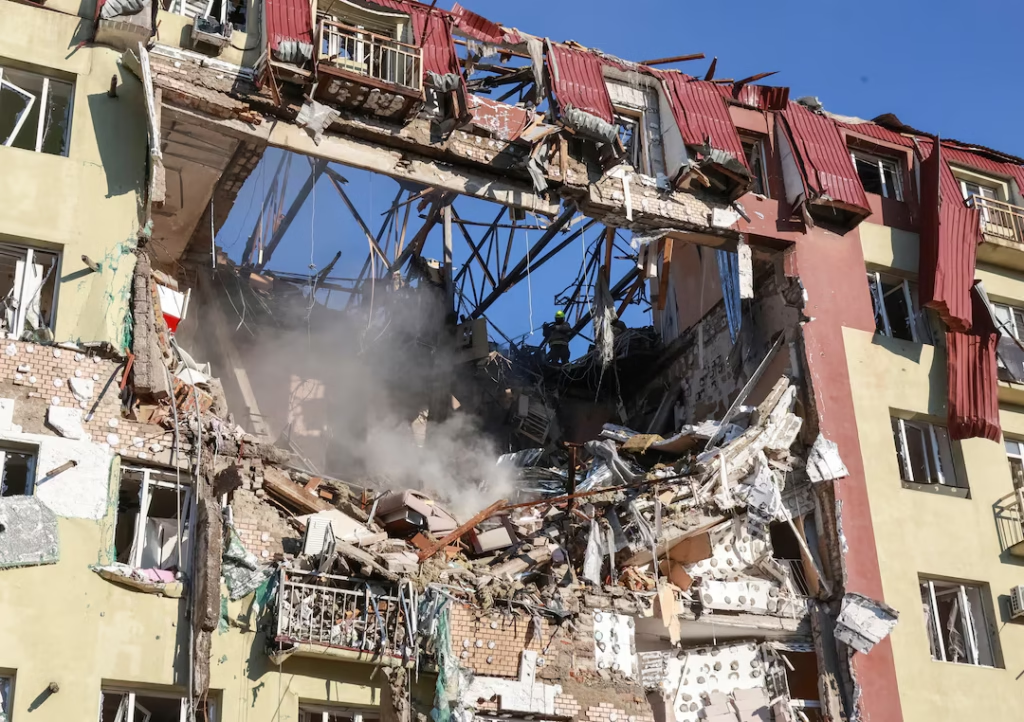
Retaliatory missile strikes and regional tensions have already affected nearby countries, forcing governments in the Gulf and surrounding areas to reassess their security strategies. Experts warn that even limited escalation could disrupt shipping routes, energy supplies, and global trade.
One of the biggest risks involves the Strait of Hormuz, a vital corridor for global oil shipments. Any disruption there could send energy prices soaring and create economic instability worldwide.
Global Leaders Rush to Contain the Fallout
As military action intensifies, world leaders are urgently working to prevent the crisis from evolving into a prolonged regional war. Diplomatic channels have been activated to encourage de-escalation, while international organizations are calling for restraint from all sides.
Economic concerns are also mounting. Oil markets have already shown volatility as traders react to the possibility of supply disruptions and extended conflict in the Middle East. Analysts warn that prolonged instability could impact fuel prices, global shipping, and financial markets.
Political pressure is also rising within the United States, where critics question the long-term strategy behind the military campaign and warn of the risks of another extended conflict abroad.
Outlook: A Conflict With Global Consequences
The unfolding confrontation between the United States and Iran represents one of the most serious geopolitical crises in recent years. With military operations continuing and both sides signaling determination to defend their positions, the coming weeks could prove decisive.
Diplomatic efforts may still prevent further escalation, but the situation remains volatile. For now, the world watches closely as leaders attempt to manage the fallout from a decision that has reshaped the balance of power in the Middle East.