




Increasing Force in Deportation Operations
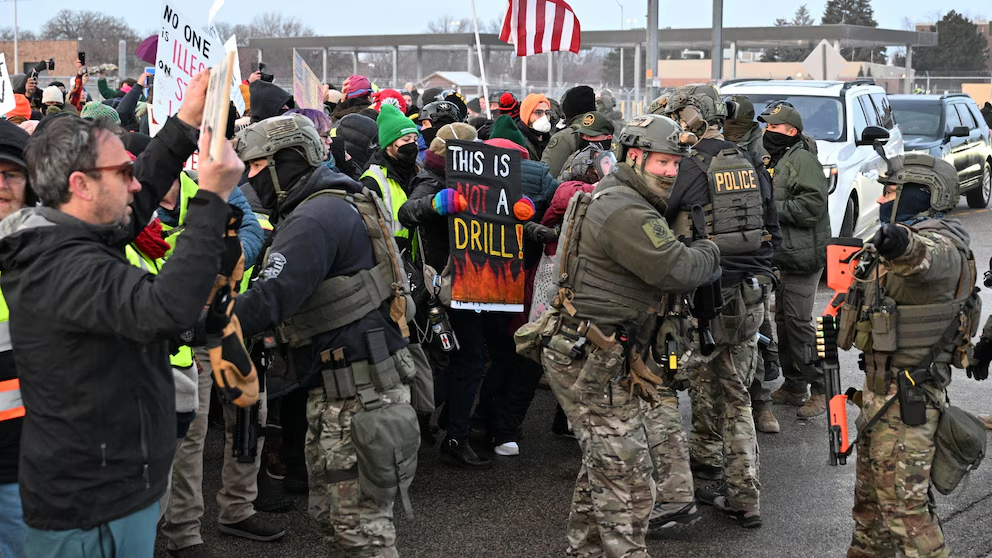
In recent weeks, the Biden administration’s aggressive immigration enforcement strategy under President Trump has escalated into violent confrontations with civilians and migrant communities across the United States. Federal officers, including U.S. Immigration and Customs Enforcement (ICE) and Border Patrol agents, have carried out high-visibility raids in major cities, prompting backlash from local residents and civil rights advocates.
A dramatic flashpoint occurred in Minneapolis when an ICE agent fatally shot a 37-year-old woman during an enforcement operation. Federal authorities maintain the officer acted in self-defense, but video footage and eyewitness accounts have raised questions about the circumstances of the incident, igniting widespread criticism.
Two Federal Shootings, Citywide Outrage
The Minneapolis killing was followed by another federal shooting in Portland, Oregon, where two individuals were wounded by Border Patrol agents during a vehicle stop. Officials say the agents opened fire after the vehicle posed a threat, but local leaders and protestors dispute the justification.
These back-to-back shootings have prompted protests from coast to coast under banners like “ICE Out For Good,” drawing thousands of demonstrators demanding accountability and an end to the current enforcement tactics. Communities in Minneapolis, Portland and beyond have seen large crowds, arrests, and spontaneous vigils as public outrage grows.
Criticism of Tactics and Training Intensifies
Lawmakers, civil liberties groups and law enforcement experts are questioning the expanded use of force and operational methods deployed by immigration officers. Critics argue that the focus on high-profile sweeps rather than targeted arrests increases risks for civilians and officers alike, and that abbreviated training for newly recruited agents may be contributing to dangerous encounters.
Supporters of the administration insist that federal agents must be aggressive to enforce immigration laws and protect national security, but opponents warn that escalating confrontations are deepening distrust between communities and the federal government.