




Tensions in the Middle East have escalated sharply after former U.S. President Donald Trump issued a strong warning to Iran, saying the United States could launch a powerful attack on the South Pars gas field if Tehran strikes Qatar again. The warning comes amid a growing conflict involving Iran, Israel, and Gulf nations, with energy infrastructure increasingly becoming a key target.
Trump Issues Strong Warning to Iran
Trump stated that any further Iranian attack on Qatari energy facilities would trigger a massive U.S. response, specifically targeting Iran’s South Pars gas field—the largest natural gas reserve in the world. He emphasized that Qatar had no involvement in earlier attacks and should not be targeted.
The warning followed reports that Iran launched missile strikes on key energy facilities in Qatar after an earlier strike on the gas field, which has intensified fears of a wider regional conflict.
Energy Infrastructure at the Center of Conflict
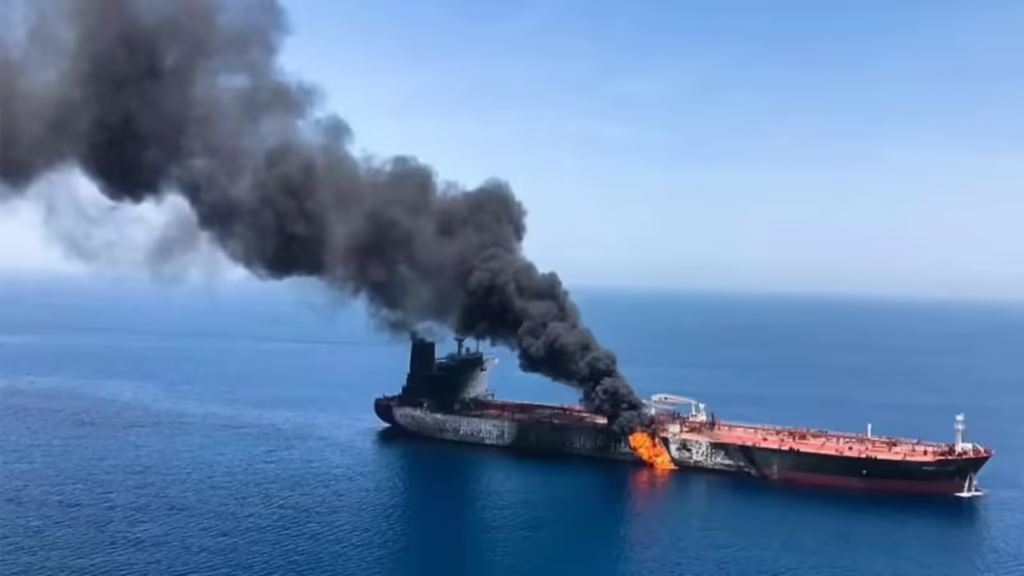
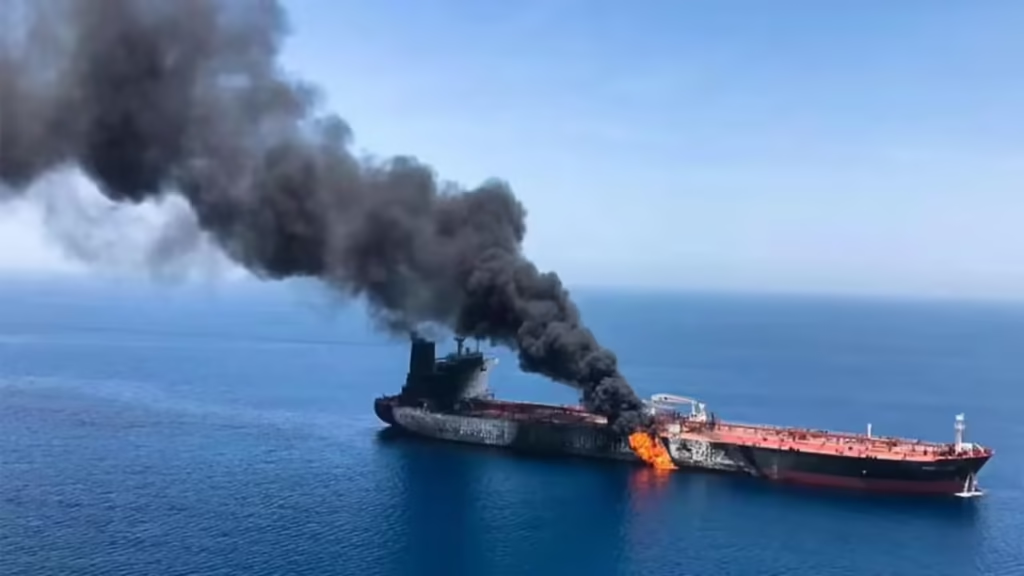
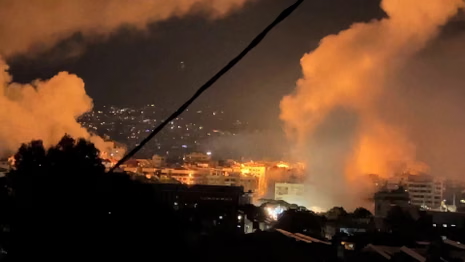
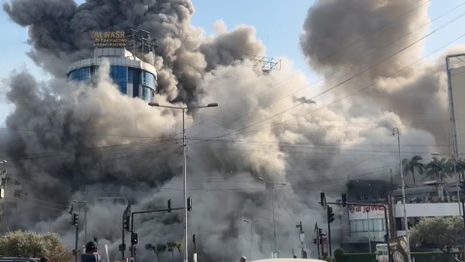
The crisis began after an attack on Iran’s South Pars gas field, a critical energy hub shared between Iran and Qatar. In retaliation, Iran targeted multiple energy sites across the Gulf, including Qatar’s Ras Laffan industrial area, causing damage and disrupting operations.
These developments have raised concerns globally, as the region plays a vital role in supplying oil and natural gas. Any disruption to these facilities could significantly impact international energy markets.
Global Impact and Rising Oil Prices
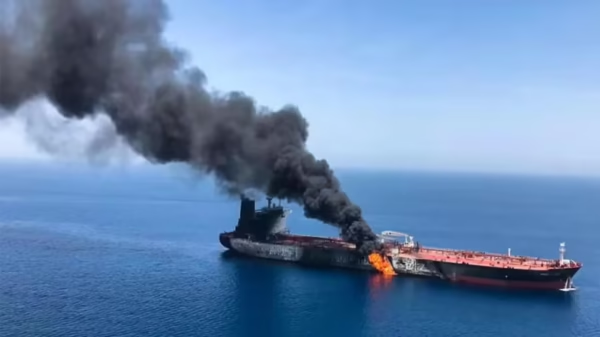
The ongoing conflict has already triggered sharp increases in oil and gas prices, with supply routes and production facilities under threat. Key shipping lanes, including the Strait of Hormuz, are facing disruptions, adding to uncertainty in global markets.
World leaders have urged restraint as fears grow that further escalation could lead to wider economic consequences, including inflation and energy shortages.