
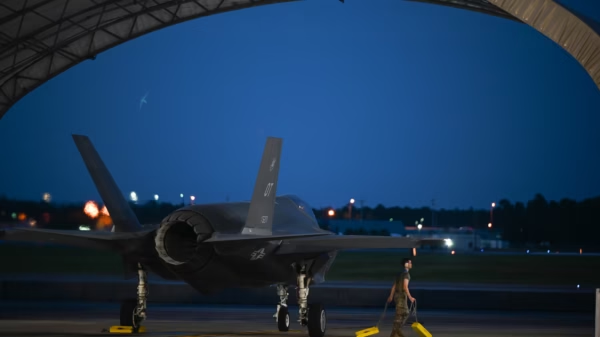



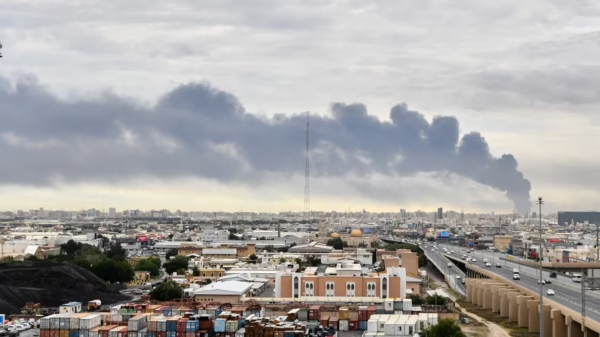
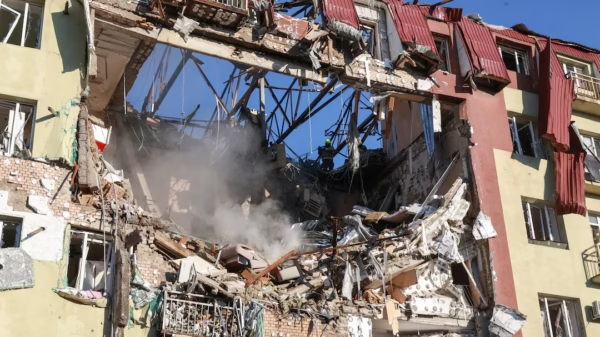





Global oil markets turned highly volatile as crude prices climbed back above $110 per barrel, driven by escalating geopolitical tensions between the United States and Iran. Investors are closely watching a critical deadline set by former U.S. President Donald Trump, demanding Iran reopen the vital Strait of Hormuz. The situation has raised concerns about energy supply disruptions and a wider economic impact across global markets.
Oil Market Reacts to Rising Geopolitical Tensions
Crude oil prices surged past $110 as traders reacted to the growing risk of conflict in the Middle East. Benchmark Brent crude and U.S. West Texas Intermediate (WTI) both recorded gains, reflecting fears that supply routes could be disrupted.
The Strait of Hormuz, a key transit route for nearly 20% of the world’s oil supply, remains central to the crisis. Any prolonged closure or restriction could severely limit global oil flows, pushing prices even higher and increasing volatility in energy markets.
Global Markets on Edge Amid Deadline Pressure
Financial markets worldwide have shown signs of stress as the deadline approaches. Stock markets in the U.S. and Europe declined, while investors shifted toward safer assets like gold and the U.S. dollar.
The uncertainty surrounding potential military action has also weakened investor confidence. Analysts warn that continued escalation could trigger a broader economic slowdown, with rising fuel costs adding pressure on inflation and consumer spending.
Economic Risks and Inflation Concerns Grow
The spike in oil prices is already feeding into inflation fears, particularly in energy-dependent economies. Higher fuel costs are expected to impact transportation, manufacturing, and household expenses globally.
Experts caution that the current crisis could rival or exceed past energy shocks, with long-term consequences for global growth. If tensions persist or worsen, the world economy may face a period of stagflation marked by slow growth and rising prices.
Conclusion
With the deadline looming and diplomatic efforts still uncertain, oil markets remain highly sensitive to developments in the Middle East. The coming days will be crucial in determining whether prices stabilize or continue their upward trend amid fears of a prolonged supply crisis.