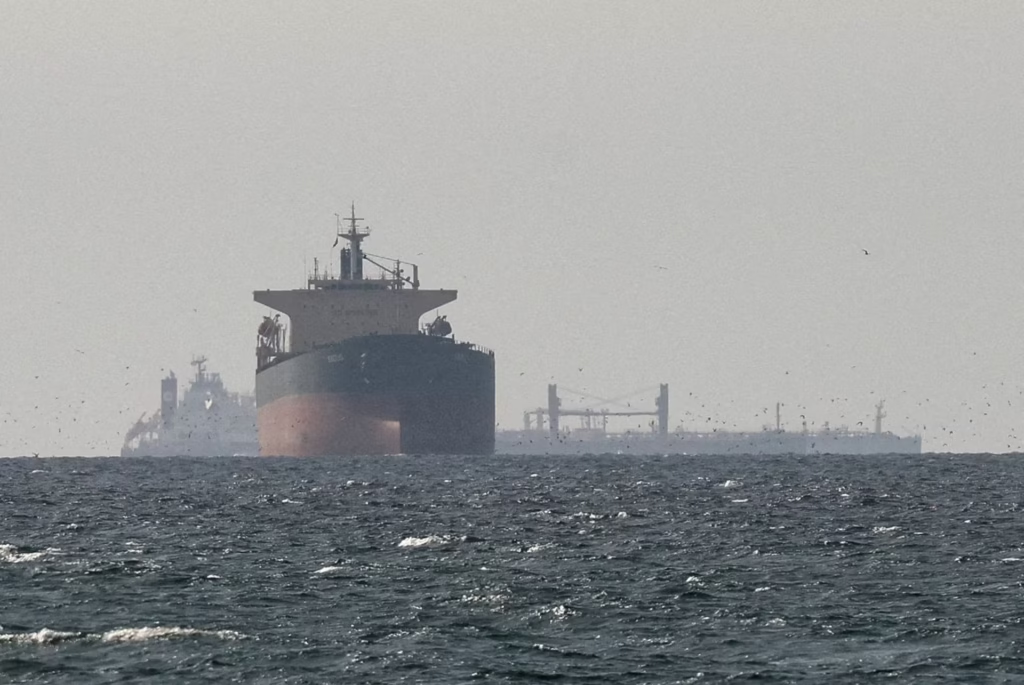







Japanese authorities have taken control of a Chinese-registered fishing vessel and arrested its 47-year-old captain after the crew allegedly refused a routine inspection in Japan’s exclusive economic zone (EEZ) near Nagasaki Prefecture. The operation marks the first such action involving a Chinese fishing vessel since 2022 and comes amid simmering diplomatic friction between Tokyo and Beijing.
🚩 Incident Details: Refusal to Comply With Inspection
On Thursday, a Japanese Fisheries Agency ship ordered the China-flagged vessel to stop for an inspection about 165 kilometres off southwest Nagasaki. Officials say the captain ignored the order and attempted to flee, prompting Japanese authorities to seize the boat and detain him. The vessel reportedly had 10 other crew members on board at the time of interception.
Japan’s enforcement action occurred within its 200-nautical-mile economic zone, where it has exclusive rights to manage fishing and other resources under international maritime law. Chief Cabinet Secretary Minoru Kihara reaffirmed Japan’s intention to press ahead with strict monitoring and enforcement to deter illegal fishing by foreign vessels.
🌏 Diplomatic Backdrop: Strained Tokyo-Beijing Relations
This fishing boat seizure unfolds against the backdrop of increasing tensions between Japan and China. Relations have been tense following statements by Japanese leaders on regional security issues, especially around the Taiwan Strait, which Beijing vehemently opposes. Previous incidents in the East China Sea — including clashes near disputed islands — have already put a strain on bilateral ties.
China’s Foreign Ministry has not yet publicly responded to the latest detention. Analysts say this event could add to existing challenges in Japan-China maritime cooperation and cross-border fisheries regulation.
⚖️ Looking Ahead: Enforcement and Regional Implications
Tokyo’s move underscores its commitment to enforcing fishing laws and maintaining sovereign rights over its maritime zones. However, any escalation involving foreign vessels may have broader implications for regional diplomacy in East Asia. Observers will be watching closely for further developments or official responses from Beijing in the coming days.