




A temporary ceasefire between the United States and Iran has eased immediate tensions, but it has also revealed a deeper reality—Tehran holds significant influence over the global economy. The agreement, announced by Donald Trump, may have paused conflict, yet it underscores Iran’s ability to impact global oil supply, trade routes, and financial stability through its control of the strategically vital Strait of Hormuz.
Iran’s Control Over Oil Routes Drives Global Impact
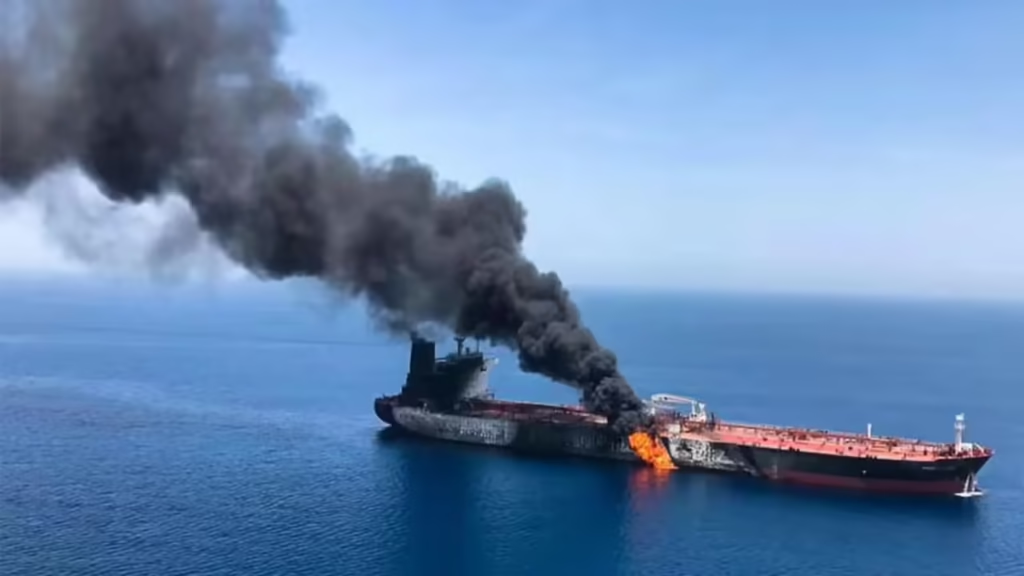
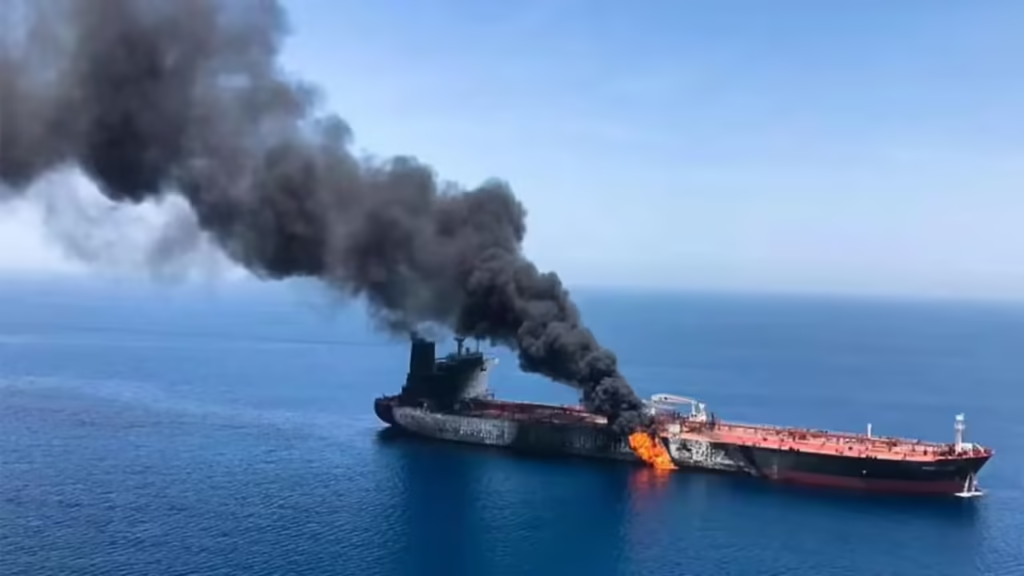
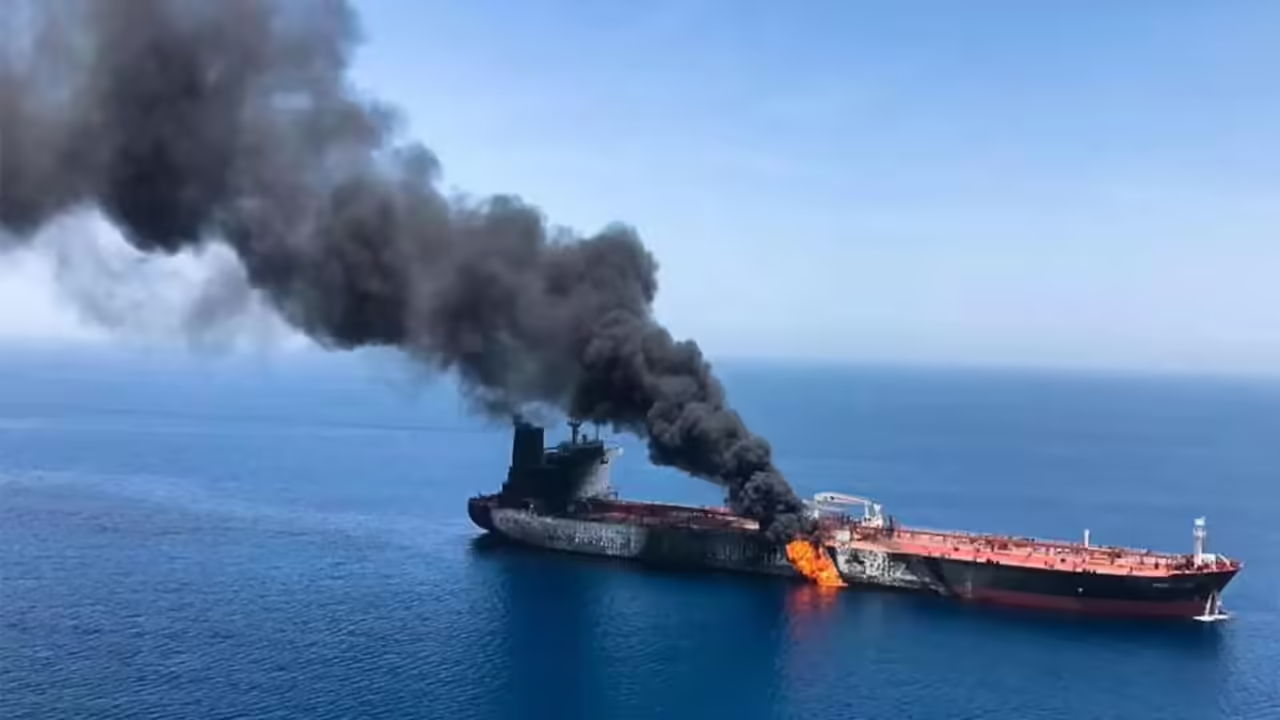
At the center of the crisis is the Strait of Hormuz, a narrow passage through which a large share of the world’s oil shipments flows. During the conflict, disruptions in this route triggered sharp spikes in oil prices and global inflation concerns.
Even after the ceasefire, Iran continues to maintain authority over the passage, with reports suggesting controlled access and potential transit conditions for ships.
This strategic position gives Iran the ability to influence energy markets worldwide—effectively placing pressure on economies far beyond the Middle East.
Trump’s Truce Brings Relief—But Not Resolution
The two-week ceasefire announced by Trump has led to short-term relief in global markets, including falling oil prices and rising stock indices.
However, analysts describe the agreement as fragile and temporary. While it allows limited reopening of shipping routes, it does not address deeper geopolitical tensions such as Iran’s nuclear ambitions or regional influence.
Critics argue that the truce may actually reinforce Iran’s negotiating position, as it retains control over key leverage points without making major concessions.
Economic Pressure and Uncertain Future
Despite its geopolitical advantage, Iran faces serious internal economic challenges. Infrastructure damage, rising unemployment, and inflation are straining the country’s economy.
At the same time, global markets remain highly sensitive to any disruption in the Strait of Hormuz. Even temporary instability can affect fuel prices, supply chains, and investor confidence worldwide.
With negotiations expected to continue, the current pause in hostilities offers only a brief window of stability. Long-term peace—and economic balance—remains uncertain.
Conclusion
The ceasefire may have reduced immediate conflict, but it has also highlighted a critical shift in global power dynamics. Iran’s control over vital energy routes gives it significant influence over the world economy, making it a key player in shaping future geopolitical and financial outcomes.