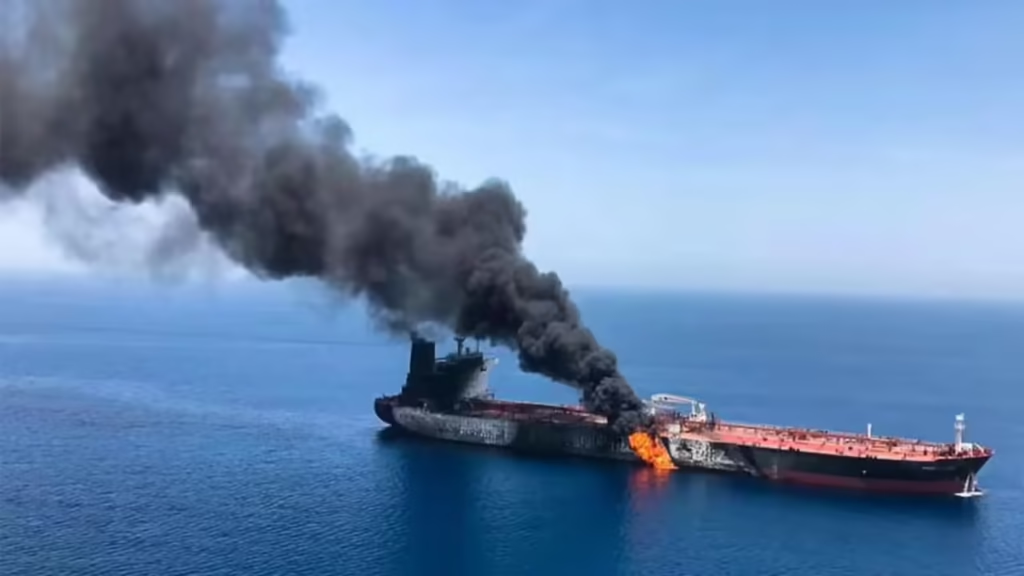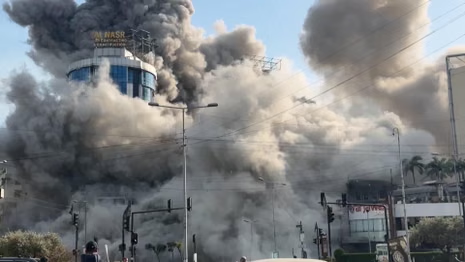





Tensions between the United States and Iran have sharply intensified after Iran issued a strong warning of “devastating” retaliation in response to recent remarks by former U.S. President Donald Trump. The situation has sparked fresh concerns about stability in the Middle East and the possibility of further escalation between the two nations.
Iran Responds Strongly to U.S. Threats
Iranian officials reacted firmly to Trump’s aggressive statements, calling them provocative and unacceptable. According to Iranian authorities, any form of hostile action or threat will be met with a powerful and decisive response.
Leaders emphasized that Iran is fully prepared to defend its sovereignty and warned that any military or strategic move against the country could trigger serious consequences. The statement reflects growing frustration within Iran over what it sees as continued pressure and hostility from the United States.
Rising Tensions Raise Global Concerns
The exchange of harsh rhetoric has raised alarms among international observers, who fear that the situation could spiral into a broader conflict. Analysts believe that such strong language on both sides increases the risk of miscalculation, especially in an already sensitive geopolitical environment.
Global markets and diplomatic circles are closely monitoring developments, as any escalation could impact regional stability, oil prices, and international relations.
Calls for Restraint and Diplomacy
Amid rising tensions, several global leaders and organizations have urged both nations to avoid further escalation and focus on diplomatic solutions. Experts stress that dialogue remains the most effective way to prevent conflict and ensure long-term stability.
While both sides continue to exchange strong statements, the international community is pushing for calm and renewed negotiations to ease the situation.