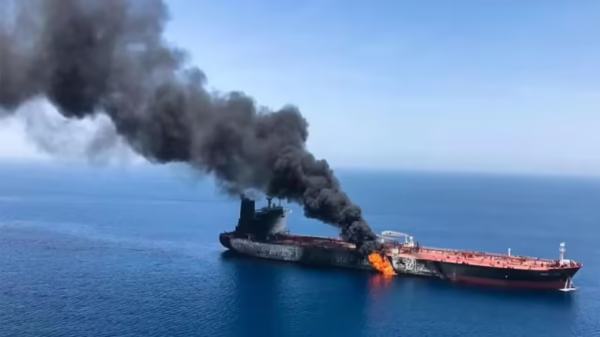





A temporary ceasefire between the United States and Iran has officially come into force, offering a brief pause in weeks of escalating conflict. The truce, described by officials as delicate and uncertain, comes just as both sides prepare to enter critical negotiations aimed at preventing further military escalation and restoring stability in the region.
While the agreement has reduced immediate threats, global leaders remain cautious, warning that the situation could quickly deteriorate if talks fail.
⚖️ A Short-Term Truce with Long-Term Risks
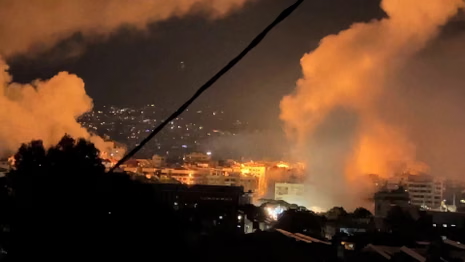
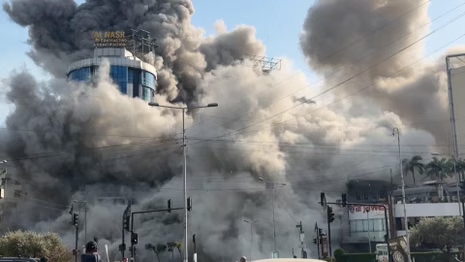
The ceasefire, expected to last around two weeks, was finalized after intense diplomatic efforts. It halted major military operations just hours before a potential large-scale strike, signaling a temporary step back from the brink of war.
However, both Washington and Tehran have acknowledged that the agreement is far from stable. Officials have labeled it a “fragile truce,” highlighting ongoing mistrust and unresolved disagreements over key issues such as nuclear policy and regional influence.
Despite the pause in direct confrontation, tensions remain high, with military forces still on alert and the possibility of renewed conflict lingering in the background.
🌊 Strait of Hormuz and Global Impact
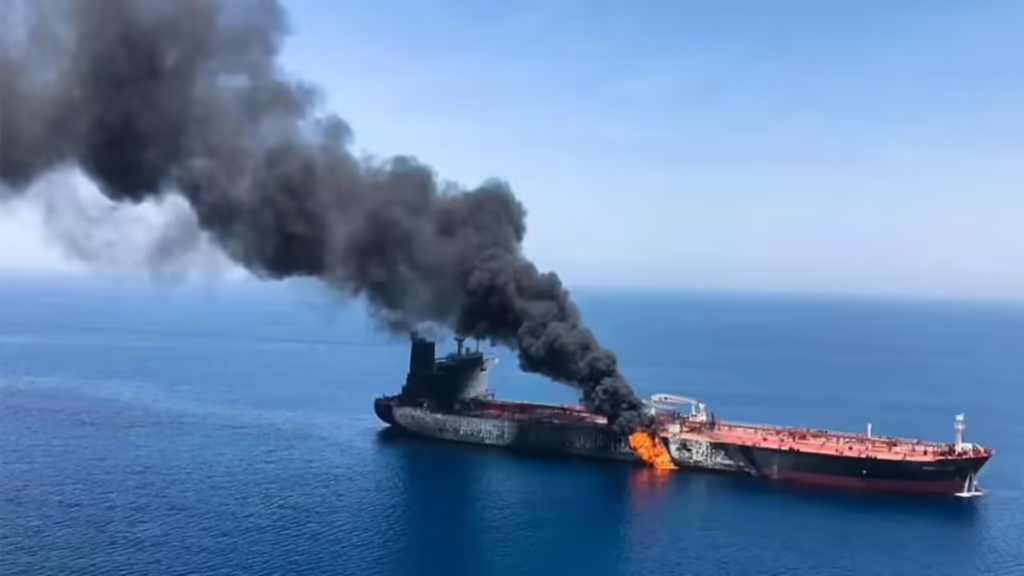
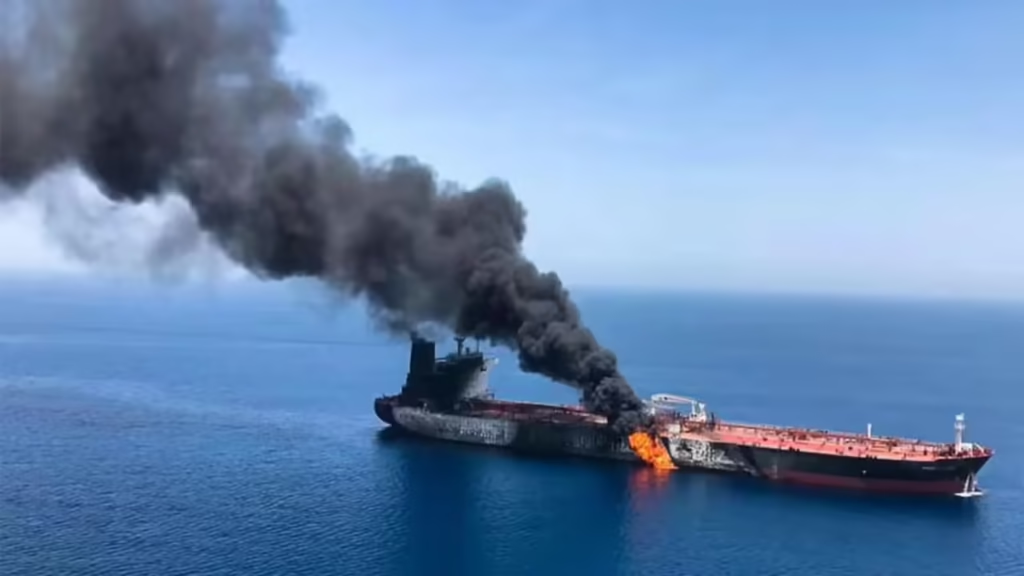
A key element of the ceasefire includes the partial reopening of the Strait of Hormuz, a vital route for global oil shipments. This move has helped ease immediate concerns in energy markets and international trade.
Still, the reopening is expected to be controlled and conditional, with strict monitoring in place. Any disruption in this strategic waterway could once again trigger economic uncertainty worldwide.
Global leaders have welcomed the development but stress that lasting peace is essential to ensure stability in energy supply and regional security.
🤝 Talks Ahead: Diplomacy Under Pressure
With the ceasefire in place, both nations are preparing for negotiations that could shape the future of their relationship. The talks are expected to address major sticking points, including sanctions, nuclear activity, and security guarantees.
Mediators and international observers are urging both sides to engage seriously and avoid actions that could derail progress. While there is cautious optimism, experts warn that deep-rooted differences may make a permanent agreement difficult to achieve.
For now, the ceasefire offers a narrow window for diplomacy—one that could either lead to lasting peace or renewed confrontation.