





Rising Seas, Stronger Storms: A Climate Reality Check
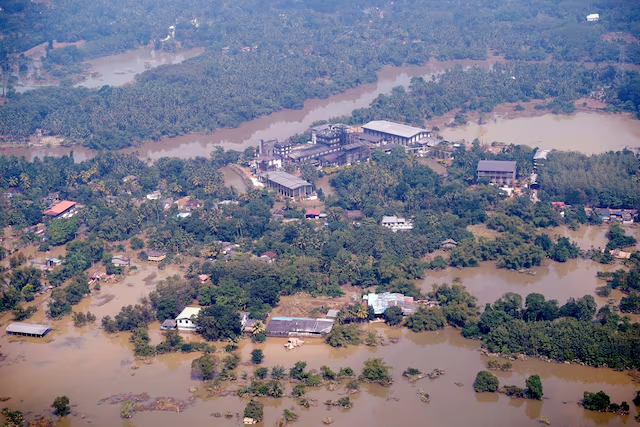
In late 2025, a series of powerful cyclones in South and Southeast Asia unleashed torrential rains, causing widespread flooding, deadly landslides and massive disruption across countries including Malaysia, Thailand, Indonesia and Sri Lanka. A new scientific analysis shows that human-forced climate warming intensified these storms, leading to much heavier rainfall than would have occurred under cooler conditions.
Scientists found that ocean surface temperatures in the North Indian Ocean were significantly above long-term averages, thanks to global warming. This extra heat and moisture in the atmosphere supercharged the storms, making them far more destructive and rain-laden than typical tropical cyclones — even where wind speeds were moderate. Without warming, these ocean waters would have been noticeably cooler, reducing the storms’ capacity to unleash extreme rain.
📊 How Climate Change Amplified Extreme Rainfall
Key findings from the analysis include:
- Warmer oceans boosted storm rainfall: Higher sea temperatures allowed cyclones to absorb more moisture, leading to unprecedented rainfall totals that overwhelmed rivers and drainage systems.
- Flooding reached record levels: In some regions, floodwaters rose well above typical seasonal highs, inundating communities and infrastructure.
- Thousands of lives impacted: The severe weather events caused widespread loss of life and property, with many areas still dealing with missing persons and long-term recovery challenges.
Experts also noted that climate change doesn’t necessarily increase the number of cyclones, but it does make most storms more intense and moisture-rich, with the potential to dump much more rain over affected regions.
🏘️ Vulnerable Communities on the Frontlines
The devastation has been especially acute in densely populated and low-lying areas where infrastructure was unprepared for such extreme conditions. Rapid urban growth and limited flood defenses have amplified the human cost of these weather disasters. Many communities faced evacuations, disrupted services, and urgent humanitarian needs as floodwaters engulfed homes and farmland.
Climate scientists warn that without significant global action to curb greenhouse gas emissions and strengthen resiliency, similar climate-driven disasters could become more frequent and harder to manage across Asia and beyond.