





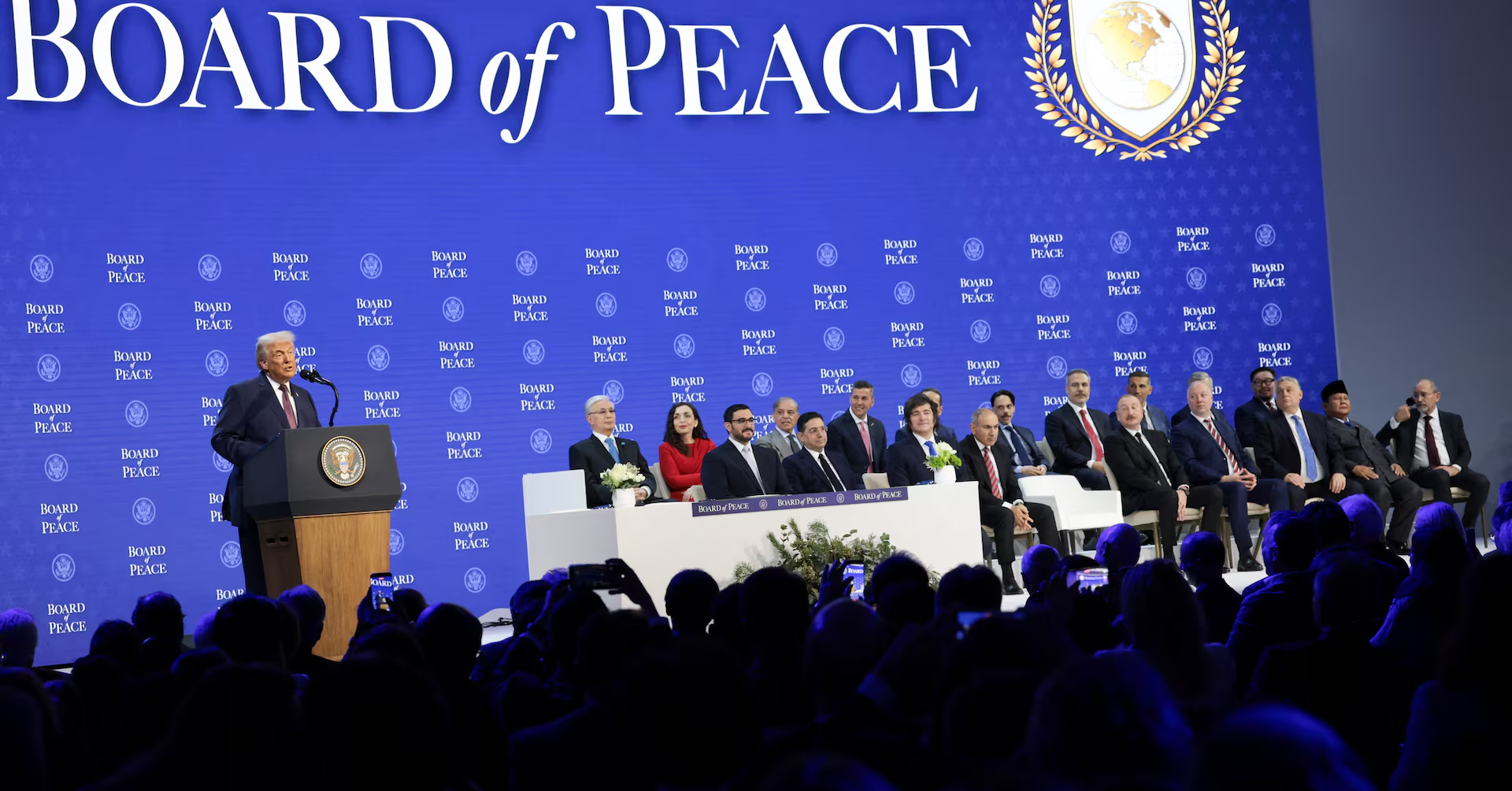
Washington — President Donald Trump brought together leaders and envoys from more than 20 countries Thursday in the U.S. capital for the first official session of the newly formed Board of Peace, a global initiative aimed at stabilizing the war-torn Gaza Strip and pursuing broader peace objectives. The gathering comes nearly three months after the Board was created and endorsed via a U.N. Security Council resolution, but it has drawn scrutiny from traditional allies and international institutions wary of its structure and ambitions.
Early Goals: Gaza Reconstruction and Ceasefire Support
The inaugural meeting focused heavily on post-war reconstruction in the Gaza Strip and the ongoing, fragile ceasefire between Israel and Hamas. Participating governments have pledged over $5 billion toward humanitarian and rebuilding efforts, a fraction of the estimated tens of billions needed to restore the devastated Palestinian territory.
The Board’s agenda also includes planning for an International Stabilization Force meant to help enforce peace and assist in restoring order — but key issues, such as the disarmament of Hamas militants and the actual deployment timeline for peacekeepers, remain unresolved.
International Response: Support and Skepticism
While more than 20 nations have signed on as full members and others will attend as observers, several major Western allies including the United Kingdom, France, and Germany either declined to participate or sent lower-ranking delegations, citing concerns about the Board’s potential to rival the United Nations’ diplomatic role.
Even the Vatican formally rejected an invitation to join the Board, asserting that global crisis management should remain under U.N. leadership. Critics also note that the Board currently lacks direct Palestinian representation, a point of contention given its role in Gaza’s future.
Leadership and Long-Term Vision
Trump, who serves as chairman of the Board, maintains significant control over membership and decision-making — including the authority to invite nations and set the body’s strategic priorities. This concentrated leadership model, combined with ambitions to potentially expand the Board’s focus beyond Gaza, has fueled debate about its long-term role on the world stage.
Supporters argue the initiative could mobilize rapid, action-oriented steps toward peace and reconstruction that traditional multilateral bodies have struggled to achieve. Detractors worry it may undermine established international systems and fail to produce meaningful progress without broader consensus.



