




A bold military move by U.S. President Donald Trump to attack Iranian targets has rapidly escalated tensions across the Middle East, forcing American officials and global leaders to scramble to control the consequences. The operation, aimed at weakening Iran’s military capabilities and limiting its influence in the region, has already triggered retaliation, disrupted energy markets, and raised fears of a broader conflict that could reshape global security and economics.
While the White House framed the strike as a decisive step to protect U.S. interests and prevent future threats, critics and analysts warn that the decision carries major strategic risks—particularly the possibility of Iran targeting shipping routes and allies in the Gulf.
Why the U.S. Launched the Attack
According to officials, the U.S. military campaign targeted key Iranian military assets, including facilities linked to missiles, drones, and strategic infrastructure. The operation forms part of a broader effort to weaken Iran’s military network and stop what Washington describes as aggressive regional activities.
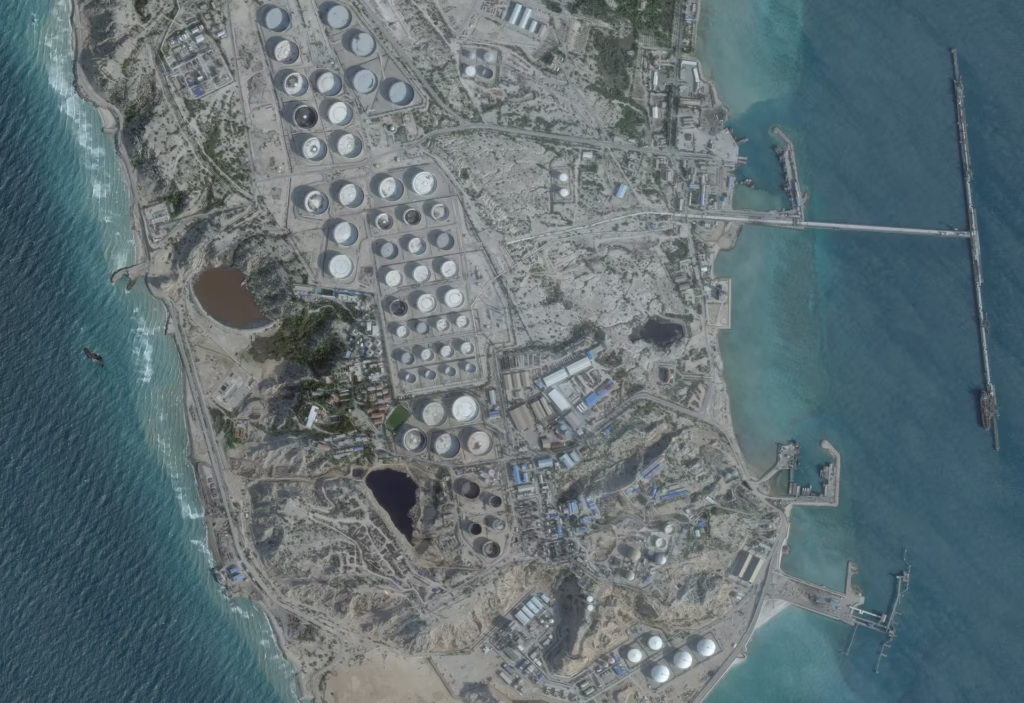
One of the most notable strikes hit Iran’s Kharg Island, a critical location responsible for the majority of the country’s oil exports. U.S. forces reportedly destroyed multiple military targets on the island while avoiding direct damage to oil facilities, at least for now.
President Trump argued that the strikes were necessary to eliminate threats and prevent Iran from developing or using advanced weapons capabilities. However, intelligence assessments and analysts suggest the situation is far more complex, and the long-term objectives of the campaign remain unclear.
Immediate Consequences and Regional Response
Iran responded quickly after the attacks, launching missile and drone strikes and warning that it could disrupt the Strait of Hormuz, one of the world’s most critical oil shipping routes. Such a move could affect roughly a fifth of global oil supplies, making it a major concern for international markets.
The conflict has already spread beyond the initial strike zone. Military exchanges have intensified across the region, involving multiple countries and armed groups. Civilian casualties and infrastructure damage have been reported in several locations, highlighting the growing humanitarian and security risks tied to the escalation.
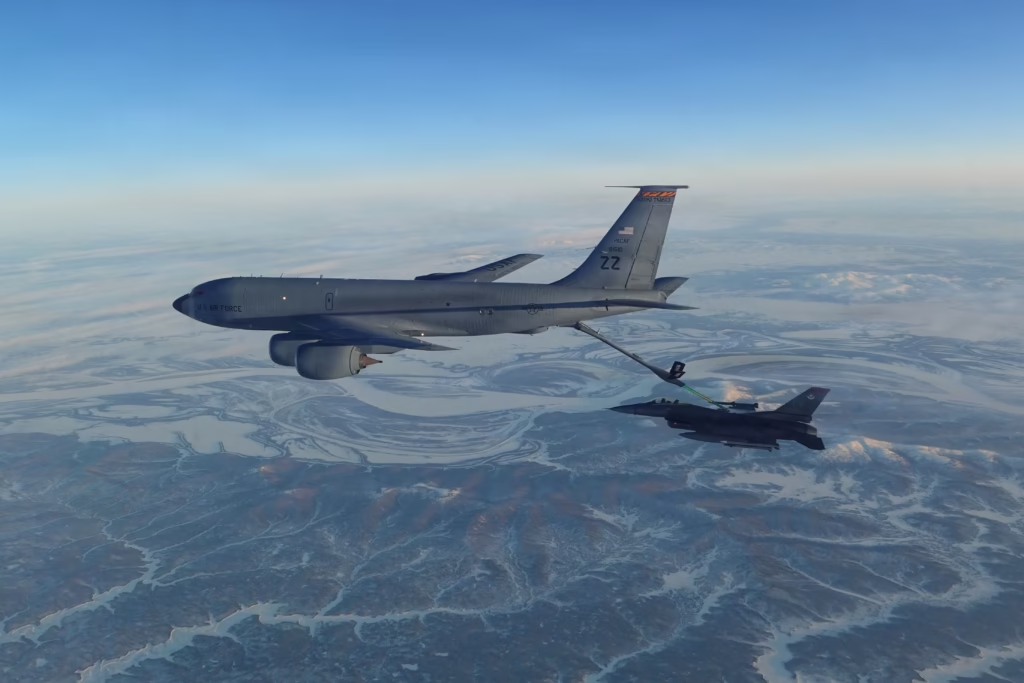
At the same time, the United States has moved additional military resources into the Middle East to protect shipping lanes and deter further attacks.
Global Economic and Political Fallout
The military escalation has sent shockwaves through global energy markets and international diplomacy. Oil prices have surged amid fears that disruptions in the Persian Gulf could limit supply, potentially triggering wider economic instability.
Regional allies, particularly Gulf nations, have expressed concern about being drawn into the conflict and facing attacks on their infrastructure. Meanwhile, diplomats in Europe and other regions are working urgently to prevent the crisis from expanding into a prolonged war.
Inside Washington, questions are also emerging about the long-term strategy behind the operation and how the administration plans to manage the conflict if it continues to escalate.
Uncertain Path Ahead
Despite early military successes claimed by the White House, the outcome of the confrontation remains uncertain. Iran’s leadership has vowed continued resistance, and analysts say the conflict could persist or widen if diplomatic solutions are not found soon.
For now, the situation illustrates the high stakes of modern geopolitical decisions—where a single military action can ripple across global politics, energy markets, and security alliances.