





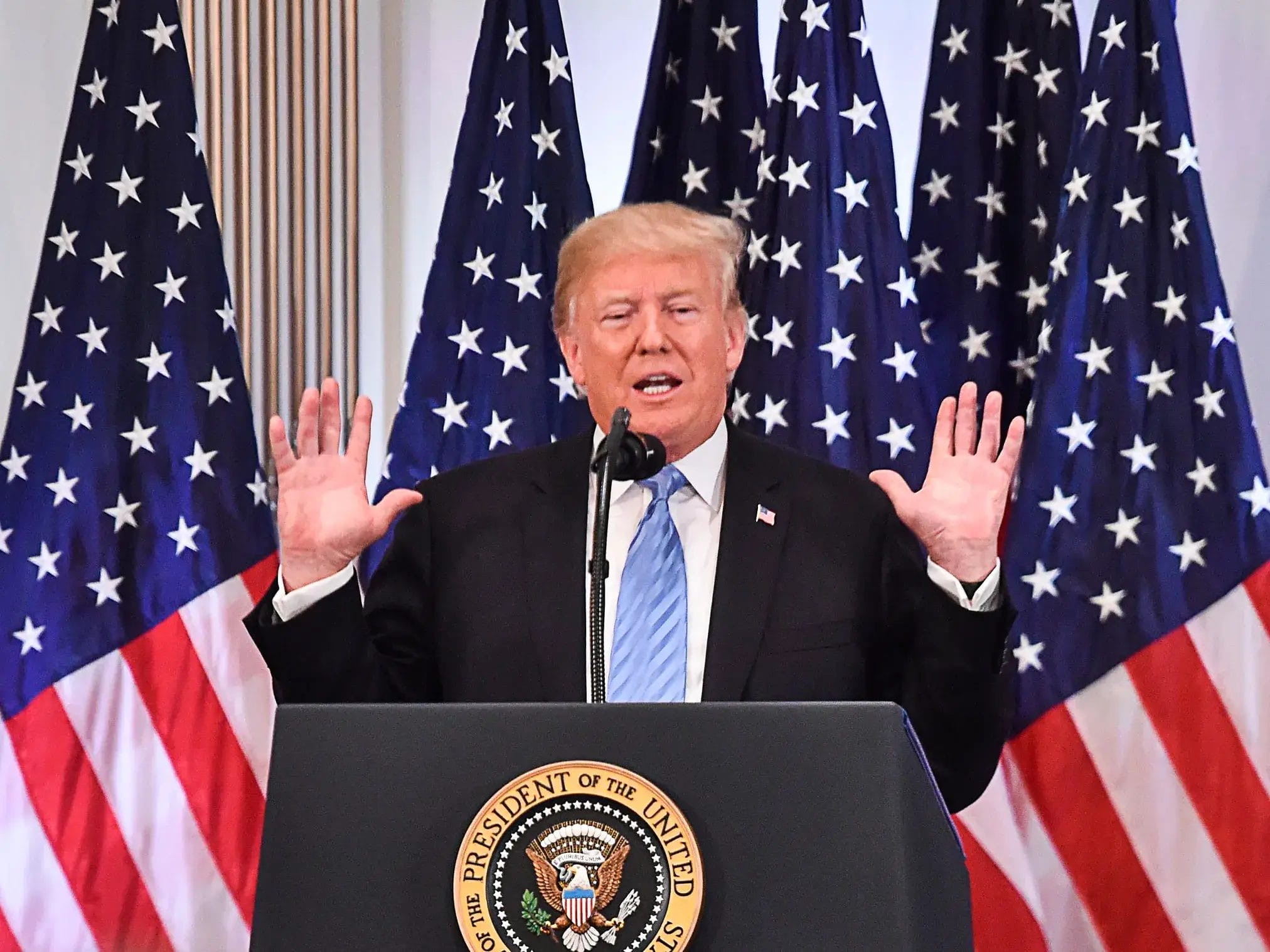
Trump’s Post Sparks Fresh Controversy
In an overnight message on his social platform, President Donald Trump renewed demands for the arrest of prominent figures he regards as political adversaries, including a former attorney general and ex-FBI director. The remarks, shared late Tuesday, underscore Trump’s ongoing focus on accusing critics of wrongdoing and have fueled fresh debate about political retaliation in the nation’s capital.
Trump amplified calls urging legal action against Merrick Garland and Christopher Wray, adding that others who opposed him should also face consequences, a move that has prompted pushback from both sides of the political spectrum.
Escalating “Retribution” Narrative
Since returning to office for his second presidential term, Trump has repeatedly criticized leaders of previous federal investigations that scrutinized his actions, from inquiries into foreign interference to probes linked to the January 6 Capitol events. His latest message aligns with a broader pattern of rhetoric that many observers characterize as a campaign of retribution against those he perceives as having harmed his interests.
While some of the individuals Trump has targeted have faced legal charges in recent months, several cases have been dismissed in court, raising questions about the legal footing of fresh action against his opponents. Critics say these public calls risk politicizing federal law enforcement and eroding trust in institutions expected to act impartially.
Reactions and Institutional Concerns
Trump’s outspoken stance has drawn criticism from government insiders and legal observers who worry such messaging blurs the line between legitimate law enforcement and politically motivated pursuits. A number of officials have privately expressed concern that using law enforcement tools to pursue perceived enemies could have long-term repercussions for the justice system’s credibility.
Supporters of the president, however, frame his comments as part of a broader effort to hold powerful figures accountable for what they see as past abuses, pointing to long delays or dismissals in prior legal actions.
As the debate intensifies, questions loom over how these demands might influence federal agencies and whether any formal proceedings could arise from such public pressure.



