





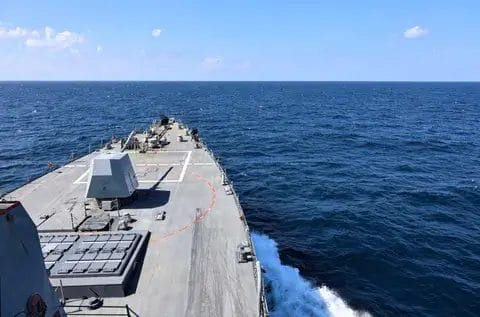
Iran has floated a series of investment proposals aimed at easing growing tensions with the United States, even as Washington reinforces its military presence in the region. The move comes amid heightened rhetoric and strategic maneuvers that have increased fears of broader confrontation. Tehran’s economic overtures appear designed to create diplomatic space and prevent further escalation triggered by what critics describe as “gunboat diplomacy.”
Economic Engagement as a Strategic Signal
Iranian officials have suggested that foreign investment opportunities—particularly in energy, infrastructure, and industrial sectors—could serve as a pathway to de-escalation. The proposals reportedly include access to large-scale projects and cooperative ventures that would benefit both regional and global markets.
By highlighting its economic potential, Tehran is signaling that diplomacy and trade could offer mutual advantages, in contrast to the risks associated with military brinkmanship. Analysts believe this approach is intended to appeal not only to Washington but also to European and Asian partners who have economic interests in regional stability.
Iran’s leadership has consistently argued that economic pressure and military deployments undermine prospects for constructive dialogue. The latest proposals appear crafted to shift the conversation from confrontation to cooperation.
U.S. Military Posture Raises Regional Tensions
At the same time, the United States has expanded its military footprint in strategic waterways and regional bases, citing concerns over security and nuclear activity. The deployment of naval assets and reinforcement of allied defense systems have intensified speculation about potential clashes.
Washington maintains that its actions are defensive and aimed at deterring aggression. However, critics argue that the show of force increases the risk of miscalculation and accidental escalation. The growing presence of U.S. warships in contested waters has drawn sharp responses from Tehran, which views the buildup as provocative.
The military standoff has fueled uncertainty in global energy markets and heightened diplomatic urgency among international stakeholders.
Diplomatic Crossroads for Both Sides
The current situation places both nations at a pivotal moment. Iran’s investment proposals offer what observers describe as a potential “off-ramp” from escalating tensions, suggesting that economic collaboration could replace military signaling as the dominant strategy.
For the United States, the challenge lies in balancing deterrence with diplomatic flexibility. Any shift toward negotiation would likely involve complex discussions around sanctions, nuclear safeguards, and regional security frameworks.
Global powers are closely monitoring developments, as the outcome could significantly influence Middle East stability and international energy supply chains.
Conclusion
With tensions running high, Iran’s economic outreach introduces a new dimension to the geopolitical standoff. Whether these investment proposals will translate into meaningful diplomatic engagement remains uncertain. However, they signal that despite the military buildup, channels for negotiation may still be open—offering a possible path away from confrontation and toward cautious dialogue.



