




European Commission President Ursula von der Leyen has called on the United States and Iran to reduce tensions surrounding the Strait of Hormuz, stressing that the ongoing crisis could have worldwide consequences. She warned that geographical distance does not shield countries like Australia from economic and security risks tied to disruptions in global trade routes.
🌍 Hormuz Tensions Raise Global Alarm
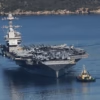
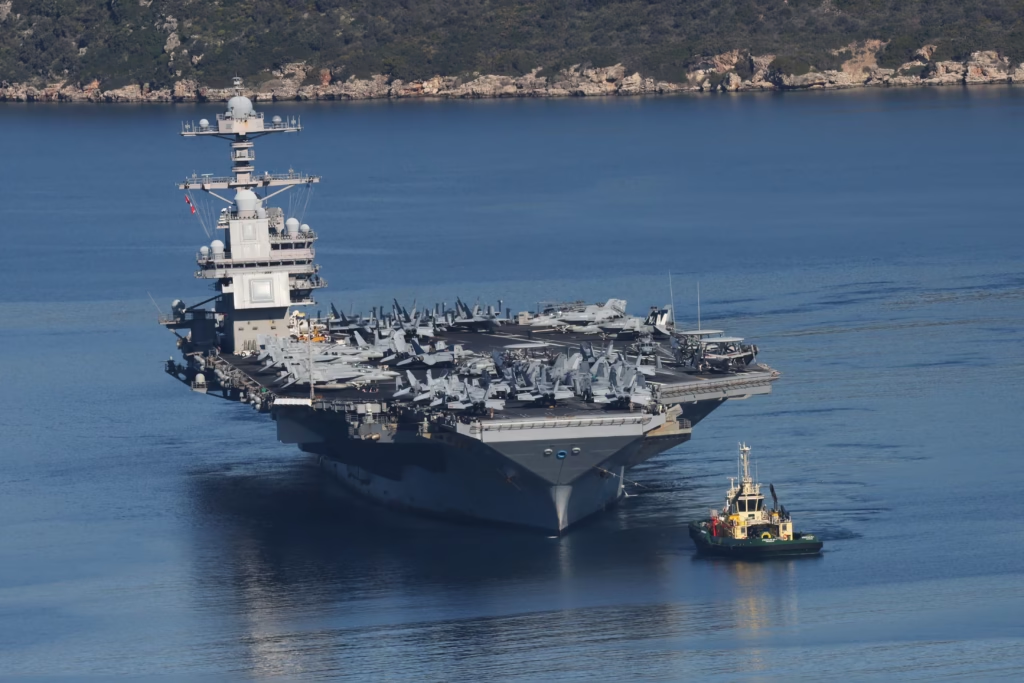
The Strait of Hormuz remains one of the world’s most critical energy corridors, handling a large share of global oil shipments. Rising tensions between United States and Iran have increased fears of disruptions that could impact fuel supplies and global markets.
Von der Leyen emphasized that instability in this region goes far beyond local concerns. Any interruption to shipping lanes could trigger supply chain issues, rising energy prices, and economic uncertainty worldwide.
⚠️ Australia Not Immune to Global Disruptions
Highlighting the interconnected nature of modern economies, von der Leyen noted that even nations far from the Middle East, such as Australia, are exposed to the ripple effects of the crisis. She pointed out that global trade networks mean disruptions in one region can quickly affect energy supplies, shipping costs, and economic stability elsewhere.
Australia relies heavily on maritime trade and imported fuel, making it particularly sensitive to any slowdown or blockage in major shipping routes like Hormuz.
🕊️ Call for Diplomacy and Stability
The European leader urged both Washington and Tehran to pursue dialogue and avoid further escalation. She stressed that diplomacy remains the most effective path to maintaining stability in the region and safeguarding global economic interests.
With tensions continuing to evolve, international leaders are increasingly calling for restraint to prevent a broader conflict that could have lasting consequences for global trade and energy security.