




U.S. Military Conducts Strikes on Drug Trafficking Boats, Search for Survivors Underway
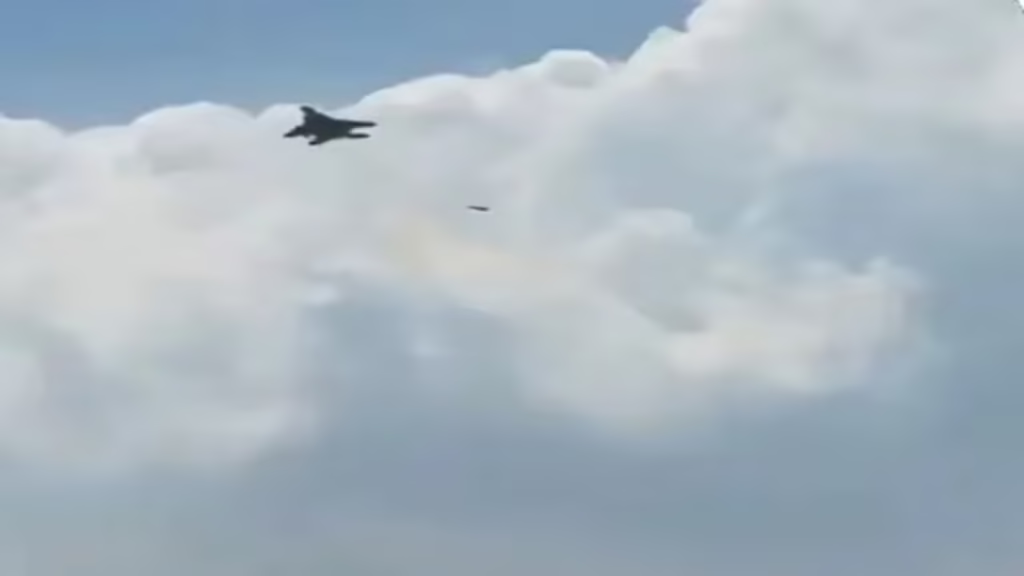
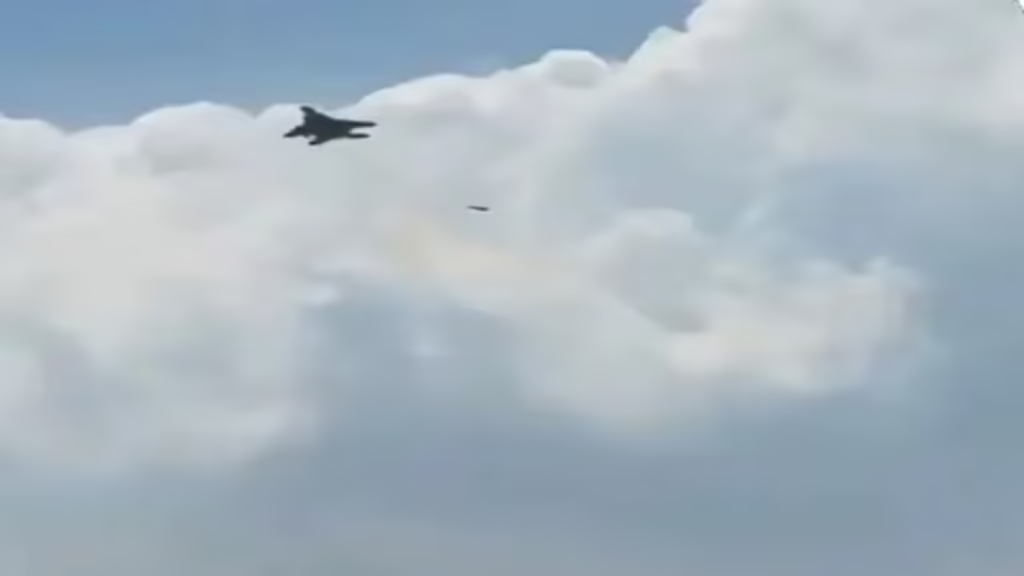
In a continuation of intensified operations targeting maritime drug trafficking, the U.S. military announced it struck three suspected drug-smuggling vessels in international waters on December 30, 2025, resulting in the deaths of at least three individuals and prompting search and rescue efforts for possible survivors. The strikes form part of an ongoing anti-narcotics campaign aimed at disrupting the flow of illicit drugs into the United States.
Details of the Latest Engagement at Sea
According to a statement from U.S. Southern Command, forces engaged three boats believed to be transporting narcotics along established trafficking routes. Intelligence reports suggested the vessels were traveling as a convoy and had transferred drugs between them before being targeted.
The first strike reportedly killed three people aboard one boat. Crewmembers on the remaining vessels abandoned ship — jumping into the ocean — before follow-on action sank the boats.
Immediately after the operation, Southern Command notified the U.S. Coast Guard, triggering a search and rescue mission for those who leapt into the water. A Coast Guard C-130 aircraft and other assets were deployed to assist survivors.
Broader Campaign and Controversy
The recent strikes are part of a wider tactical push against narcotics trafficking that has seen U.S. forces conduct multiple strikes on suspected drug vessels in both the Caribbean Sea and the eastern Pacific Ocean. Officials say these operations aim to curb illegal drug shipments that fuel violence and addiction in the U.S.
However, the use of lethal force in such engagements has drawn scrutiny from legal experts and lawmakers, particularly in cases where survivors from previous strikes were reportedly killed in follow-up actions. These concerns raise questions about international law and rules of engagement.
What Happens Next
With the Coast Guard leading the effort to locate possible survivors, authorities have called on nearby vessels to assist and have dropped survival supplies. The fate of those who jumped overboard remains unclear as search operations continue.
As operations persist, U.S. military and civilian leaders are expected to face ongoing debate over the strategy’s effectiveness, humanitarian implications, and legal standing, even as they defend the measures as necessary to combat organized drug trafficking.