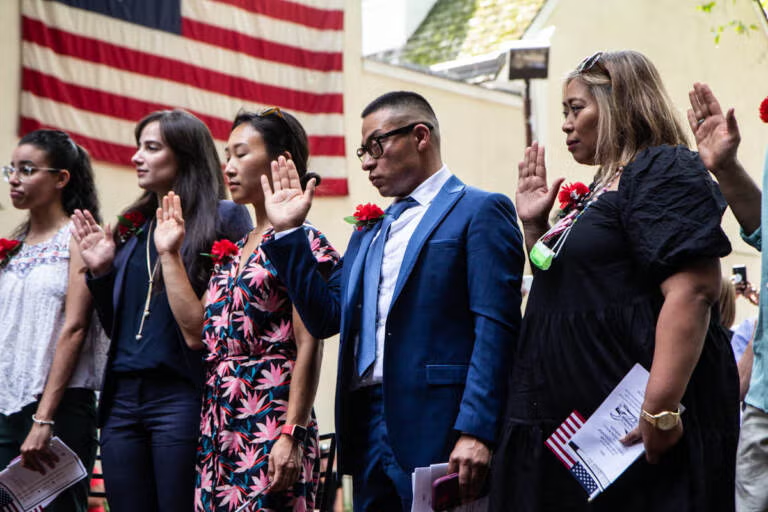
In a sweeping change to U.S. immigration procedures, hundreds of long-awaited naturalization ceremonies have been put on hold, leaving aspiring Americans stranded and frustrated. Under updated federal guidelines focused on security concerns, applicants from dozens of predominantly non-Western nations find themselves excluded — even after years in the legal system — intensifying debates over fairness, national identity and immigration policy.
Security-Driven Policy Change Disrupts Citizenship Ceremonies
In cities across the United States, prospective citizens showed up for scheduled Oath of Allegiance ceremonies only to be turned away due to recently imposed limits on applicants from specific “high-risk” countries. These changes, introduced by federal authorities as part of broader immigration security measures, affect individuals from more than a dozen nations including Haiti, Iran, Yemen, Libya and Afghanistan — despite applicants having successfully completed rigorous background checks that often span several years of waiting, interviews and documentation.
For many, the dream of becoming an American citizen has been replaced with confusion and disappointment. Advocates say this abrupt shift not only blocks lawful paths to citizenship but also undermines confidence in the immigration system’s fairness.
Impact on Immigrant Communities and Legal Challenges
The policy has drawn sharp criticism from immigration lawyers and advocacy groups who argue that the blanket restrictions unfairly target people based on their national origin. Many affected individuals, some of whom have lived and worked legally in the U.S. for decades, describe feelings of betrayal and helplessness after being informed that their naturalization plans were canceled without clear explanation.
Experts warn that the move could have far-reaching consequences beyond delayed ceremonies. Some federal guidance now calls for a dramatic increase in denaturalization case referrals from immigration offices — potentially flagging even naturalized citizens for legal review and challenge — a strategy that critics say echoes historical exclusionary policies and erodes the inclusive ideals long associated with American citizenship.
A Broader Context: Immigration Policy Under Scrutiny
This latest development comes amid a wider overhaul of U.S. immigration rules, including stepped-up enforcement actions, increased data sharing with federal agencies, and legal efforts to challenge or tighten longstanding rights like birthright citizenship. These shifts have amplified debates about the nation’s identity, labor needs, security, and humanitarian obligations.
For affected communities and advocates, the message is clear: the path to citizenship — once seen as the culmination of years of dedication — is becoming fraught with new challenges that threaten to reshape immigrant experiences for years to come.