




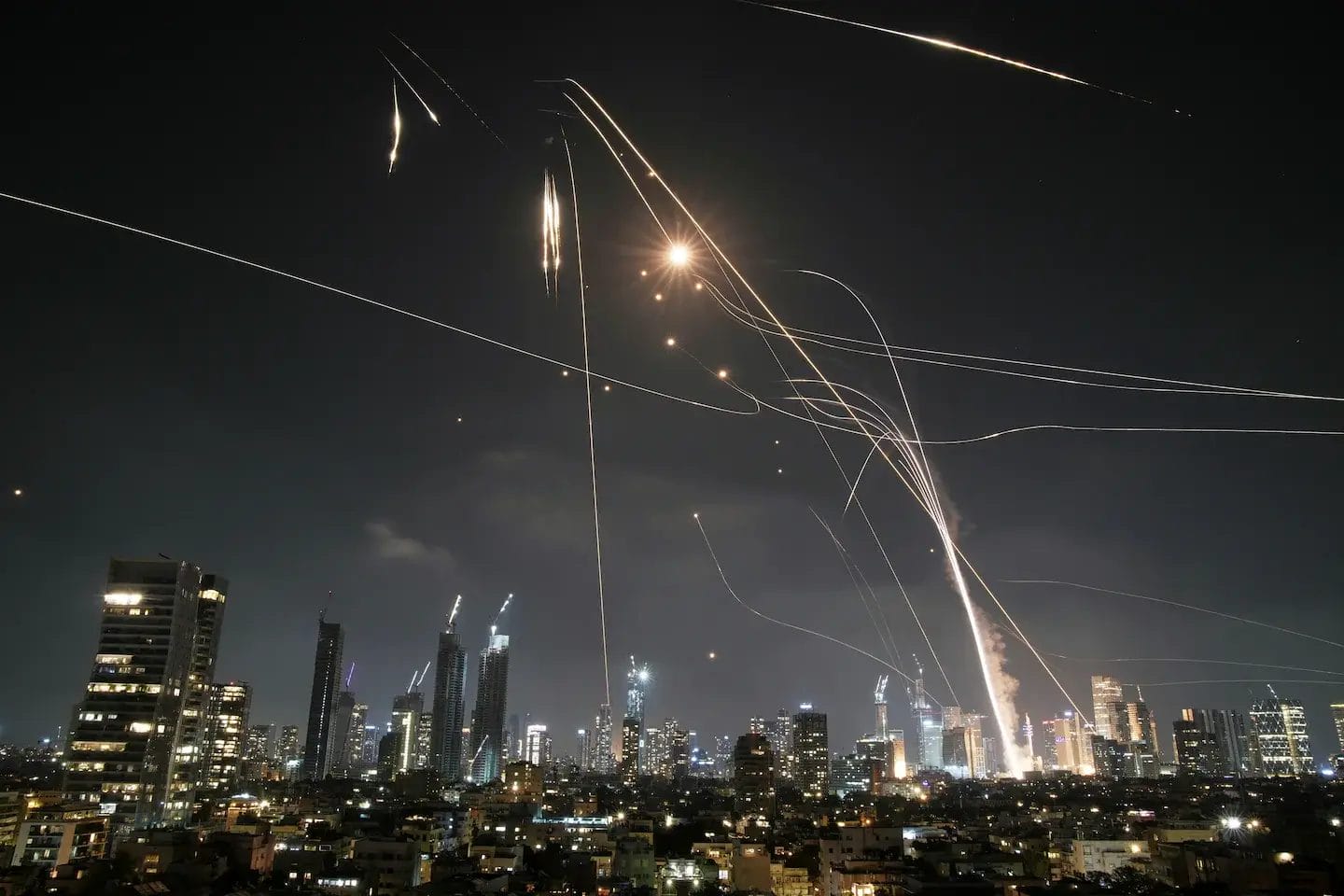
Tensions in the Middle East are rising sharply as Israel announces plans to expand its military operations against Iran, even as the United States temporarily suspends strikes on Iranian energy facilities. The contrasting moves highlight a complex phase in the ongoing conflict, with diplomacy and escalation unfolding simultaneously.
🚀 Israel Signals Expansion of Military Campaign
Israel’s leadership has made it clear that military operations against Iran are set to intensify in response to continued missile and drone attacks. Officials warned that strikes would not only continue but could expand in scale and scope if hostilities persist.
Recent air raids have already targeted key locations, including military installations and infrastructure linked to Iran’s defense capabilities. Authorities say these actions are aimed at weakening Iran’s ability to launch further attacks and to send a strong deterrent message.
⏸️ U.S. Pauses Energy Site Attacks Amid Talks
At the same time, U.S. President Donald Trump has opted to delay planned strikes on Iran’s energy infrastructure. The pause, initially announced for a short period, is intended to create space for ongoing diplomatic engagement.
Despite the halt on energy-related targets, U.S. military operations against other strategic sites are understood to continue. The decision reflects an attempt to balance pressure with diplomacy as discussions with Tehran remain uncertain.
🌍 Conflict Deepens with Global Impact
The situation continues to evolve rapidly, with both sides exchanging attacks across multiple regions. Iran has carried out retaliatory strikes not only on Israel but also on nearby Gulf states, increasing the risk of a broader regional conflict.
Meanwhile, disruptions around critical shipping routes like the Strait of Hormuz have raised concerns about global oil supply and economic stability. International leaders are urging restraint, but the ongoing escalation suggests that tensions may continue in the coming days.