Iran has pushed back against a ceasefire proposal put forward by the United States, signaling deep divisions as the conflict in the Middle East continues. Despite the initial rejection, diplomatic channels remain active, with multiple countries attempting to bring both sides to the negotiating table.
⚠️ Iran Calls U.S. Plan “Unacceptable”
Officials in Tehran have reportedly dismissed the U.S.-backed ceasefire proposal, describing it as heavily one-sided and not aligned with Iran’s interests.
The proposal included several major conditions such as curbing Iran’s nuclear activities, limiting missile programs, and reducing its influence in regional conflicts.
Iranian leaders indicated that such terms go beyond acceptable negotiation boundaries, emphasizing that any agreement must reflect their own conditions and national priorities.
🌍 Talks Still Possible Despite Tensions
Even with a negative initial reaction, there are signs that diplomacy is not entirely off the table. Reports suggest that Iran is still reviewing aspects of the proposal, leaving room for possible discussions in the near future.
Countries like Pakistan, Turkey, and Egypt are actively working as intermediaries, facilitating indirect communication between Washington and Tehran.
Potential talks could take place in neutral locations, as global powers push to prevent further escalation of the conflict.
🔥 Conflict Continues Amid Global Concerns
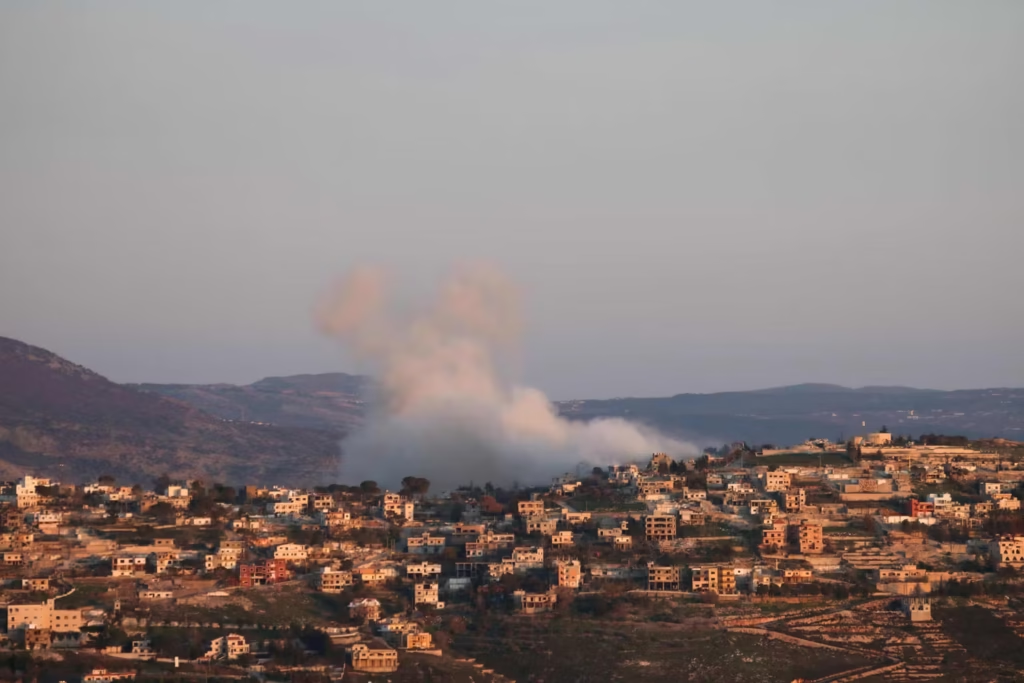
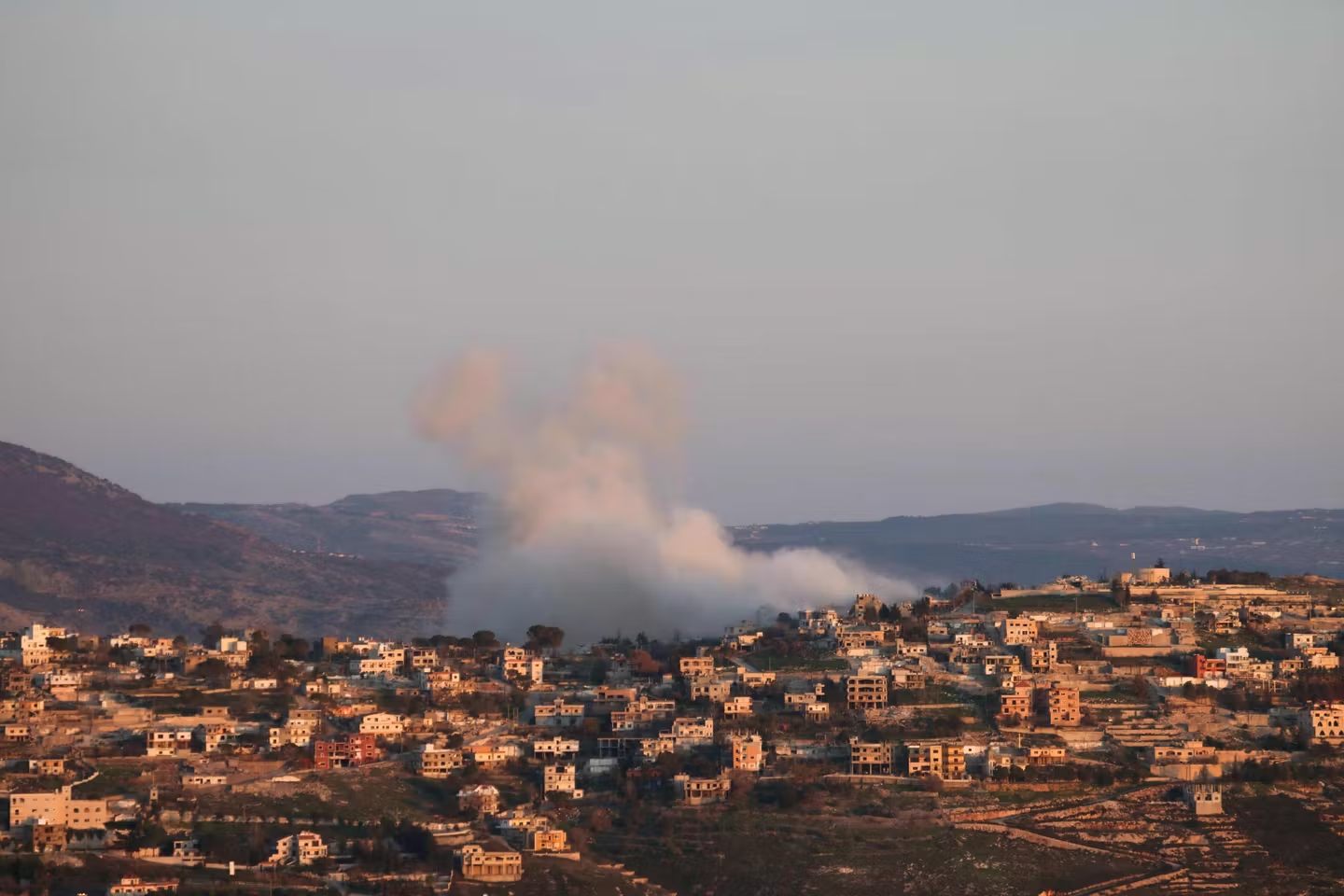
While diplomatic efforts continue, military activity has not slowed. Ongoing strikes, missile launches, and regional clashes have intensified the situation, impacting multiple countries across the Middle East.
The conflict has also disrupted global energy supplies, particularly due to instability around key oil routes like the Strait of Hormuz, increasing pressure on international markets.
With both sides holding firm positions, the path toward a ceasefire remains uncertain, and the risk of further escalation continues to concern global leaders.