




Iran Escalates Conflict With Attacks on Ships Along Major Global Oil Route
Tensions in the Middle East have intensified after several commercial ships were attacked near the Strait of Hormuz, one of the world’s most important oil transit routes. The incidents have raised fears about the safety of maritime trade and the stability of global energy supplies.
Recent strikes on cargo ships and oil tankers in the region highlight how the conflict is increasingly affecting international shipping lanes. Governments and shipping companies are now closely monitoring the situation as concerns grow over disruptions to global oil transport.
The Strait of Hormuz plays a vital role in the global energy market, and any threat to ships traveling through the narrow waterway can have immediate economic and geopolitical consequences.
Multiple Ships Hit in Strategic Waterway
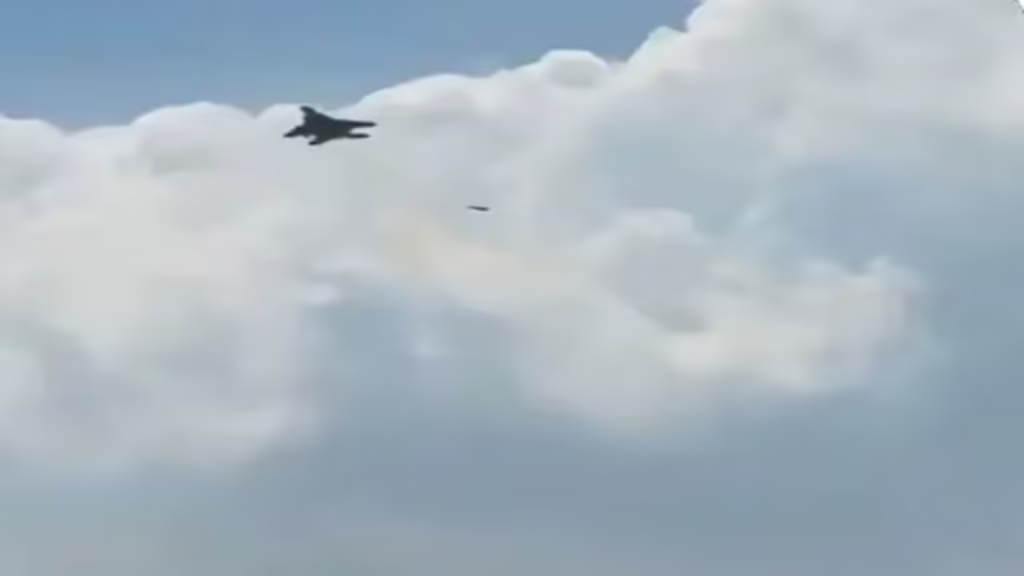
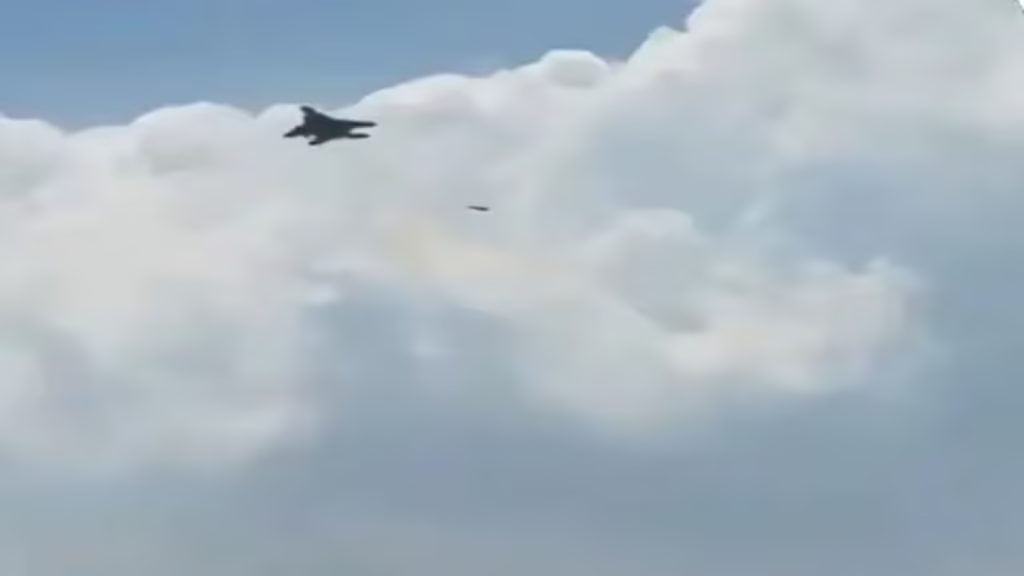
Several vessels traveling through or near the Strait of Hormuz have been struck during recent attacks. In one incident, a Thai-flagged cargo ship caught fire after being hit by projectiles, forcing crew members to abandon the vessel. Other ships also reported damage from drones or missile strikes in nearby waters.
Some attacks reportedly targeted tankers and cargo ships passing through the area after ignoring warnings issued by Iranian authorities regarding navigation in the strait. Maritime monitoring agencies say multiple incidents involving merchant vessels have been recorded since the conflict intensified.
In a separate attack near Iraq’s Basra port, a crude oil tanker was hit, resulting in casualties among crew members and raising further alarms about the safety of civilian shipping in the region.
Why the Strait of Hormuz Matters
The Strait of Hormuz is one of the most strategically important waterways in the world. Around one-fifth of the world’s oil supply passes through the narrow passage connecting the Persian Gulf with the Gulf of Oman and the Arabian Sea.
Because so much global energy trade depends on this route, even limited disruptions can have significant consequences. Shipping companies have already slowed or suspended transit through the strait due to safety concerns, and tanker traffic in the region has dropped sharply.
Energy markets reacted quickly to the escalating attacks, with oil prices rising amid fears that prolonged instability could disrupt supply chains worldwide.
Rising Risks for Global Shipping
Military tensions in the region have increased the risk for cargo vessels, oil tankers, and international shipping companies operating in the Persian Gulf. Analysts warn that continued attacks could lead to further declines in maritime traffic and force ships to reroute around the region.
Some governments are also considering naval escorts or additional security measures to protect vessels traveling through the strait. At the same time, diplomatic efforts are ongoing to prevent the conflict from expanding and to ensure safe navigation through the critical shipping corridor.
For now, the situation remains volatile, and the Strait of Hormuz continues to be at the center of global concerns about energy security and maritime safety.