




Tensions in the Middle East have intensified after Iran claimed it shot down a US fighter jet, while also cautioning the United Nations against approving military action in the strategically critical Strait of Hormuz. The situation has added fresh uncertainty to an already volatile regional conflict.
Iran Claims Downing of US Fighter Jet
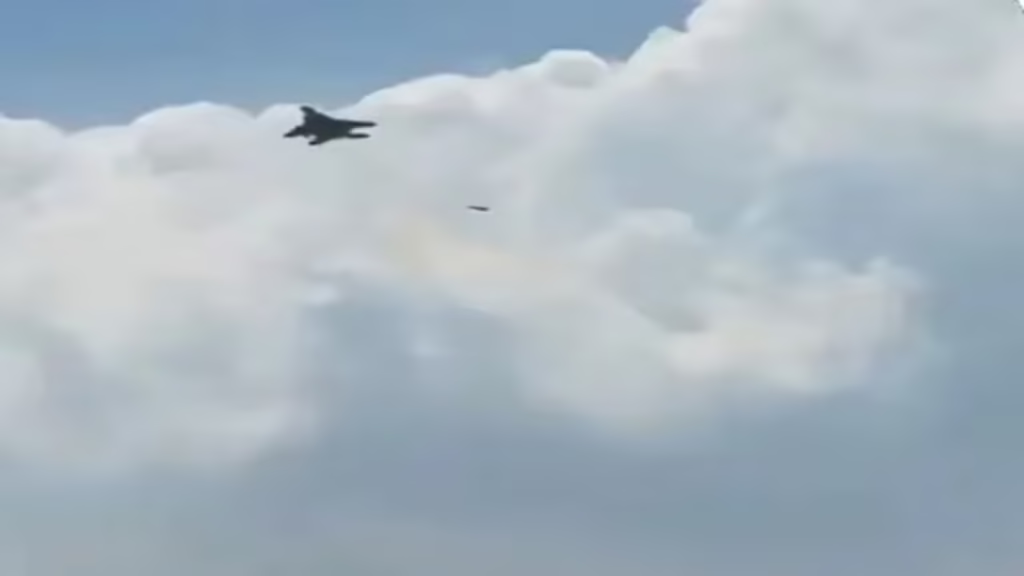
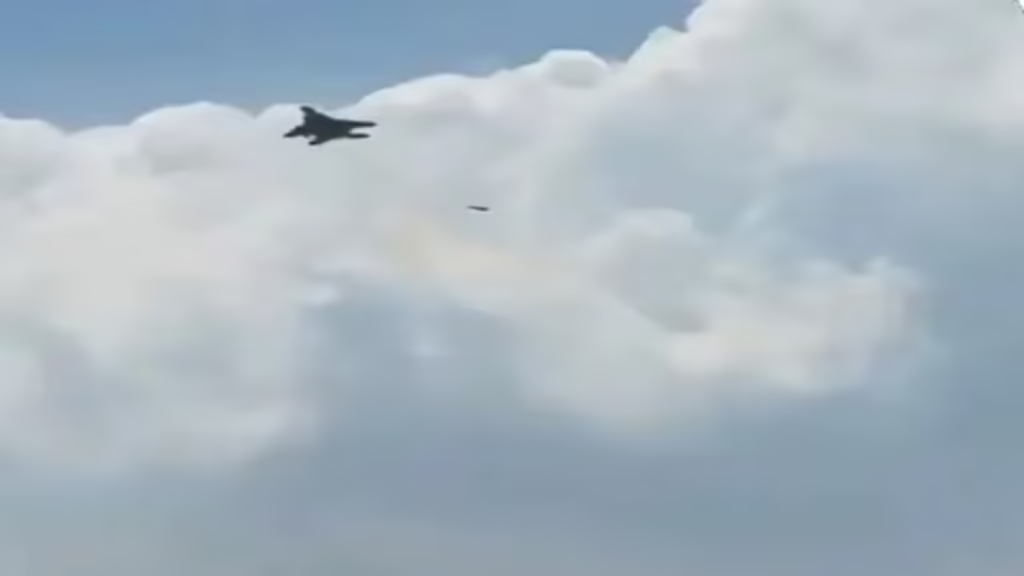
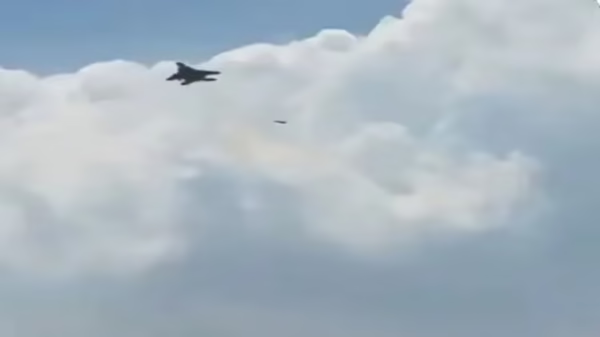
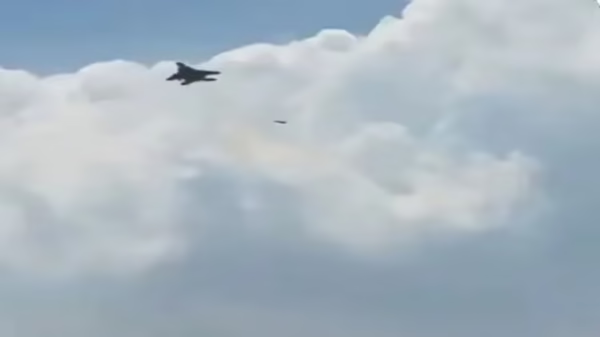
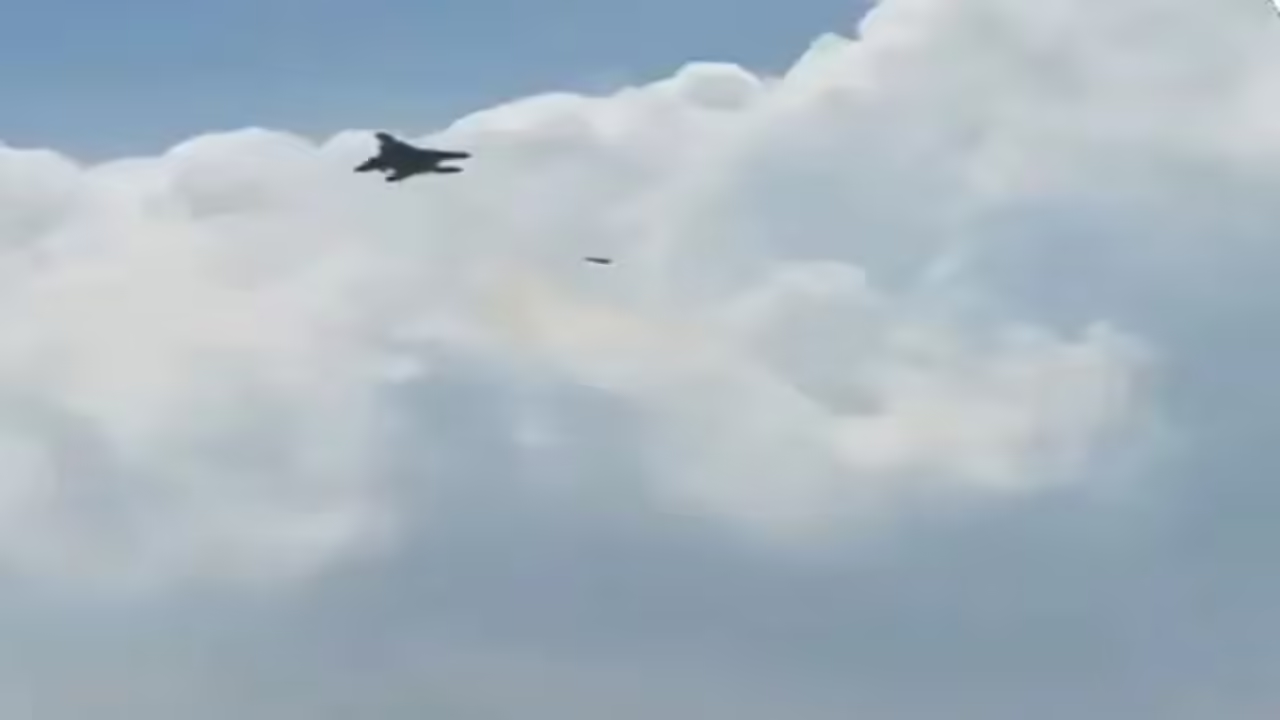
Iranian authorities stated that their air defense systems successfully brought down a US F-35 fighter jet over central parts of the country. Reports from state-linked media suggested that the aircraft was destroyed and the pilot is unlikely to have survived.
This marks the second such claim by Iran in recent weeks, signaling a potential escalation in direct military confrontation. However, there has been no official confirmation from the United States, and previous similar claims have been denied by US officials.
If verified, the incident would represent a significant development, as the F-35 is among the most advanced stealth fighter jets in modern warfare.
Warning Over UN Action in Strait of Hormuz
Alongside the military claim, Iran issued a strong warning against any United Nations resolution that could authorize force to secure the Strait of Hormuz. The waterway is one of the world’s most important oil transit routes, making it a focal point of global economic and security concerns.
Iran described such a move as provocative and indicated it could respond with further escalation if international forces intervene. A proposed UN vote on the matter has reportedly been delayed amid rising tensions and diplomatic sensitivities.
Rising Regional Tensions and Global Impact
The latest developments come amid ongoing military exchanges involving Iran, the United States, and regional allies. Missile and drone attacks have targeted multiple locations across the Middle East, increasing fears of a wider conflict.
Global powers have urged restraint, warning that any further escalation could disrupt energy supplies and destabilize international markets. The Strait of Hormuz, through which a significant portion of the world’s oil passes, remains at the center of the crisis.