






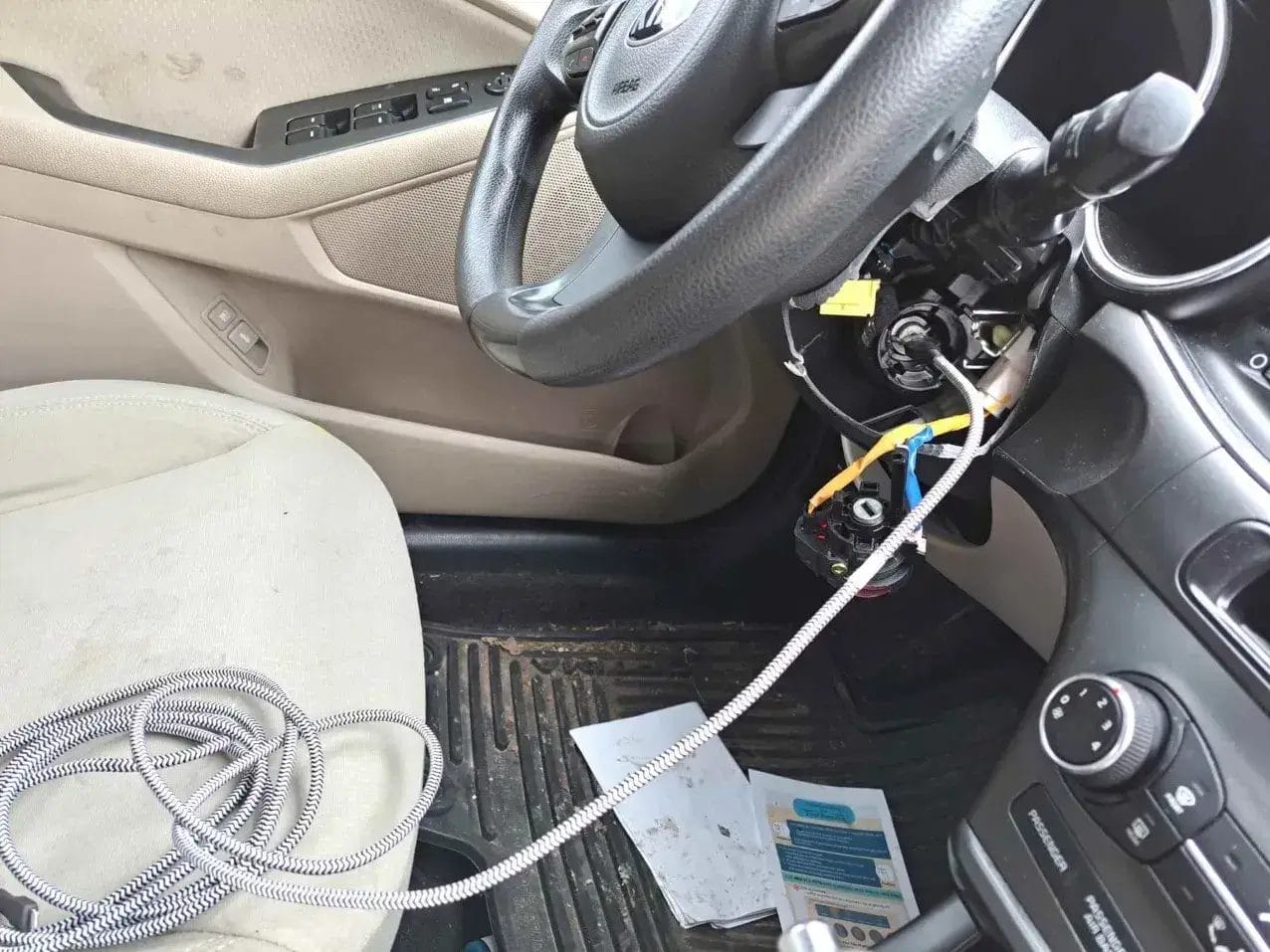
Hyundai Motor Company and Kia Corporation have committed to a sweeping anti-theft retrofit initiative affecting more than 4 million vehicles sold in the United States after a coalition of 35 state attorneys general raised concerns about rising theft rates. The deal requires free security upgrades for eligible vehicles and mandates advanced anti-theft technology in all future models — part of an effort to curb high-profile theft incidents tied to social media-driven methods and improve overall vehicle security.
🔧 What the Retrofit Program Includes
Under the agreement, eligible Hyundai and Kia owners will receive free hardware upgrades designed to make their vehicles harder to steal.
- The program focuses on installing zinc-reinforced ignition cylinder protectors for models built between 2011 and 2022 that previously lacked robust anti-theft hardware.
- This retrofit complements earlier software enhancements rolled out to millions of vehicles in response to growing concerns over theft vulnerabilities.
- Notices to eligible customers are expected to start going out in early 2026, with installations available through March 2027.
Industry experts estimate the total cost of these hardware upgrades could exceed $500 million, reflecting the scale of both the retrofit effort and the issues it aims to remedy.
🚗 Mandatory Changes to Future Vehicles
One of the major elements of the settlement is a requirement that all future Hyundai and Kia vehicles sold in the U.S. be equipped with engine immobilizers — industry-standard anti-theft technology that prevents a car from starting without the proper key signal.
This addition addresses a core vulnerability that law enforcement and consumer advocates say contributed to a surge in thefts when certain models lacked this protection.
💸 Restitution & Broader Impact
In addition to the retrofit program and future vehicle upgrades, Hyundai and Kia have agreed to pay up to $9 million in restitution. These funds will be distributed to consumers and states to help offset the costs associated with theft losses and the legal investigation.
Officials also point out that the move builds on earlier voluntary steps by both automakers, including a multi-million-vehicle software update rollout and previous settlement agreements with vehicle owners.