





A former school bus aide in suburban Denver has entered guilty pleas for physically assaulting three nonverbal students with autism, court records show. The case, which hinges on bus surveillance footage, highlights concerns over safety protocols and protections for vulnerable children who cannot speak for themselves.
Bus Surveillance Leads to Guilty Plea
The aide, 30-year-old Kiarra Jones, pleaded guilty to 12 charges Monday under a plea agreement just before her trial was set to begin. These charges include 10 felony counts of third-degree assault on an at-risk child and two misdemeanor child abuse counts, according to prosecutors. She now faces up to 15 years in prison, with sentencing scheduled for March 18 in Arapahoe County Court.
Authorities began investigating Jones after a parent requested a review of school bus camera footage following unexplained injuries to her 10-year-old son, a nonverbal child with autism. Video recordings from early 2024 reportedly revealed multiple incidents of abuse on school bus routes.
Families Speak Out on Impact and Accountability
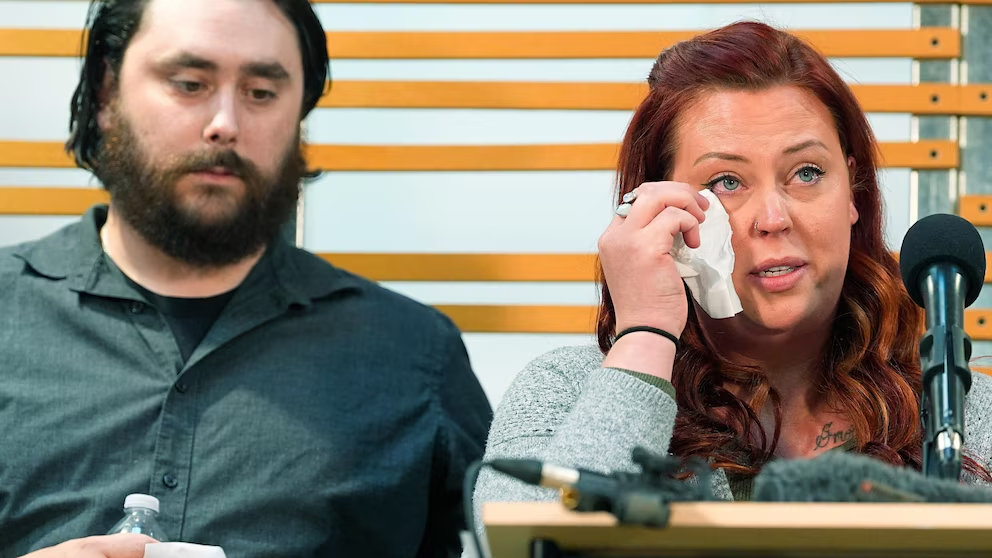
The families of the three victims — all nonverbal children with autism — say their loved ones were unable to communicate the abuse themselves, making the video evidence crucial. The children showed signs of physical injury, including bruises and a black eye, prompting the initial review by school officials.
In statements released through their attorneys, the parents described ongoing emotional and physical repercussions for their children. They expressed determination to support their kids’ healing while seeking accountability for the harm caused.
Colorado’s 18th Judicial District Attorney’s Office emphasized that the plea allows both victims and families to move forward without enduring a trial, while still ensuring legal consequences for the crimes.
Looking Ahead: Legal Outcomes and School Safety
With sentencing looming in March, advocates and families are also calling for stronger policies to protect special-needs students during transportation and throughout the school day. The case has renewed scrutiny on how school systems monitor staff performance and handle complaints among vulnerable student populations.