






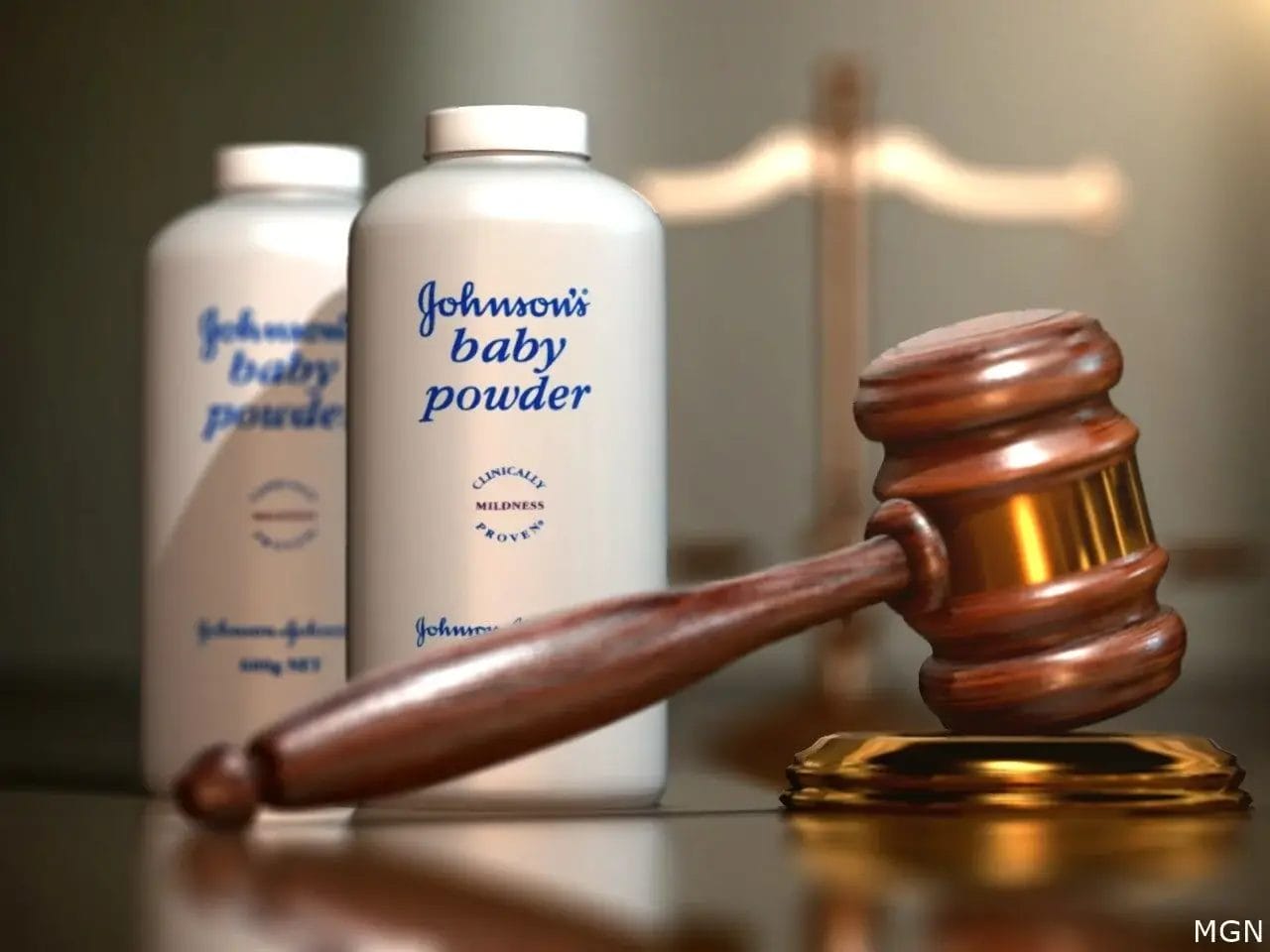
Long-Running Talc Litigation Shifts Focus with Latest Ruling
In a high-profile legal development, a Los Angeles jury has awarded $40 million to two California women who concluded that long-term use of Johnson & Johnson’s talc-based baby powder contributed to their ovarian cancer diagnoses. The decision, reached late Friday in superior court, underscores mounting judicial scrutiny over talc products and consumer safety concerns.
The plaintiffs, who testified that they used the product for decades after bathing, argued that the company failed to adequately disclose known cancer risks associated with its talc powder. The jury’s finding reflects a pattern of similar verdicts emerging from courts nationwide in recent years.
What the Verdict Means for J&J and Plaintiffs
Jury Finds Company Negligent in Warning Consumers
According to courtroom findings, jurors determined that Johnson & Johnson had long been aware of potential safety issues related to its talc-based powders but did not sufficiently warn users of the potential link to ovarian cancer. As a result, the jury awarded $18 million to one plaintiff and $22 million to the second woman and her spouse.
This verdict comes amid tens of thousands of similar lawsuits pending against the company, with many involving claims that talc products caused ovarian cancer or the rare cancer mesothelioma. The size and scope of these legal actions have made talc litigation one of the most enduring mass torts in recent years.
Company Response and Broader Legal Context
J&J Says It Will Appeal and Disputes Cancer Link
Johnson & Johnson has stated its intention to appeal the decision while continuing to insist that its talc-based powder did not contain asbestos and has not been proven to cause cancer. The company also notes that it discontinued sales of talc baby powder in the U.S. in 2020, switching to a cornstarch formula amid legal pressures.
Despite these defenses, the latest ruling adds to a series of major verdicts and significant financial penalties stemming from talc litigation — including earlier multi-million and even nearly billion-dollar damage awards in other cases.