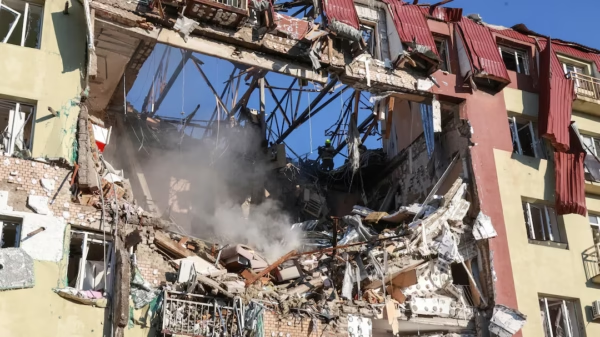
Russian forces have sharply increased attacks on the southern Ukrainian port city of Odesa and surrounding regions, unleashing a barrage of missiles and drones that have killed and injured civilians and damaged critical infrastructure. The renewed offensive marks a strategic shift toward the Black Sea theatre of the conflict, contributing to mounting humanitarian and economic tolls.
Renewed Strikes Hit Odesa’s Heart
Over the past days, Odesa — a key Black Sea port vital to Ukraine’s trade and export routes — has faced relentless bombardment from long-range missiles and unmanned drones launched from Russian-controlled territory. These attacks have wreaked havoc on residential areas and energy systems, leaving parts of the city without power, heat, or water amid harsh winter conditions. Officials report several deaths and dozens of injuries among civilians, including children, as rescue teams clear rubble from damaged buildings.
The sustained strikes reflect Moscow’s tactical pivot toward exerting pressure on Ukraine’s coastal infrastructure after failing to secure a direct military foothold there. Analysts say the focus on Odesa aims to disrupt Ukraine’s economic lifelines and weaken morale.
Broader Offensive Targets Energy and Transport
Beyond Odesa, Russian forces have expanded their winter offensive with coordinated attacks across Ukraine’s energy grid and transport networks. Missile and drone strikes have reportedly knocked out power in parts of Kharkiv, hit a passenger train in the northeast — killing several civilians — and damaged critical facilities in the Kyiv region. Kyiv officials have condemned the strikes as terror tactics against non-combatants.
Ukrainian air defenses have intercepted many incoming drones and missiles, but the volume of attacks continues to strain resources and amplify the humanitarian crisis. President Volodymyr Zelenskyy and international partners are urging increased pressure on Russia to halt attacks as peace negotiations remain stalled.