


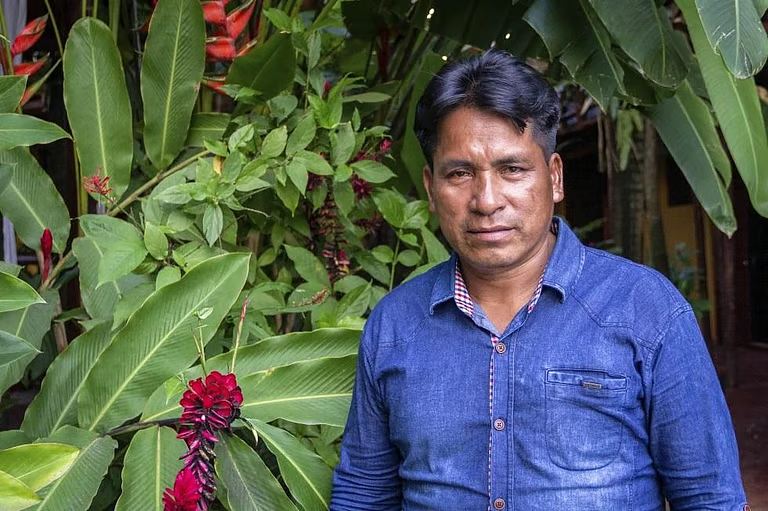
Peru has opened a rare and closely watched trial against five defendants accused in the 2023 killing of a prominent Indigenous Amazon activist. The case marks a potential turning point in the country’s efforts to hold alleged perpetrators of violence against environmental defenders accountable, particularly in areas plagued by illegal logging and drug trafficking.
Historic Trial Begins in the Amazon Case
The trial convened this week in northern Peru as prosecutors pursue life sentences for five men charged with orchestrating the ambush and murder of Quinto Inuma Alvarado, a respected leader of the Kichwa community in the San Martín region. Inuma had spent years vocally opposing illegal logging and drug trafficking in his ancestral lands — positions that allegedly led to sustained threats before his killing in late 2023.
Legal experts and Indigenous rights advocates say the proceedings are rare in a country where violence against environmental defenders often goes unresolved. If successful, the case could set a strong legal precedent for protecting activists across Peru’s expansive Amazon rainforest.
Background: A Defender Targeted for Environmental Advocacy
Quinto Inuma Alvarado was a tribal chief and conservationist known for reporting illegal logging and narcotics operations threatening his community’s territory. Despite official protection orders dating back to 2021, enforcement of security measures was reportedly limited, leaving him vulnerable to attack.
Prosecutors allege the accused planned the killing because of Inuma’s activism, ambushing him and wounding a companion as he traveled by river to his village. Forensic evidence and witness testimony reportedly link the defendants to the scene and to individuals Inuma had previously reported to authorities.
What This Case Means for Environmental Justice
Supporters of Inuma’s legacy — including human rights groups and Indigenous organizations — are watching the trial closely. A conviction and maximum sentences could send a powerful signal that crimes against defenders will face serious consequences in Peru, potentially deterring future violence tied to illegal exploitative activities such as unregulated logging and narcotrafficking.
The case underscores persistent dangers faced by Indigenous land and environmental defenders in the Amazon and raises questions about state protection in remote regions where illegal economic interests often clash with traditional community stewardship.


