


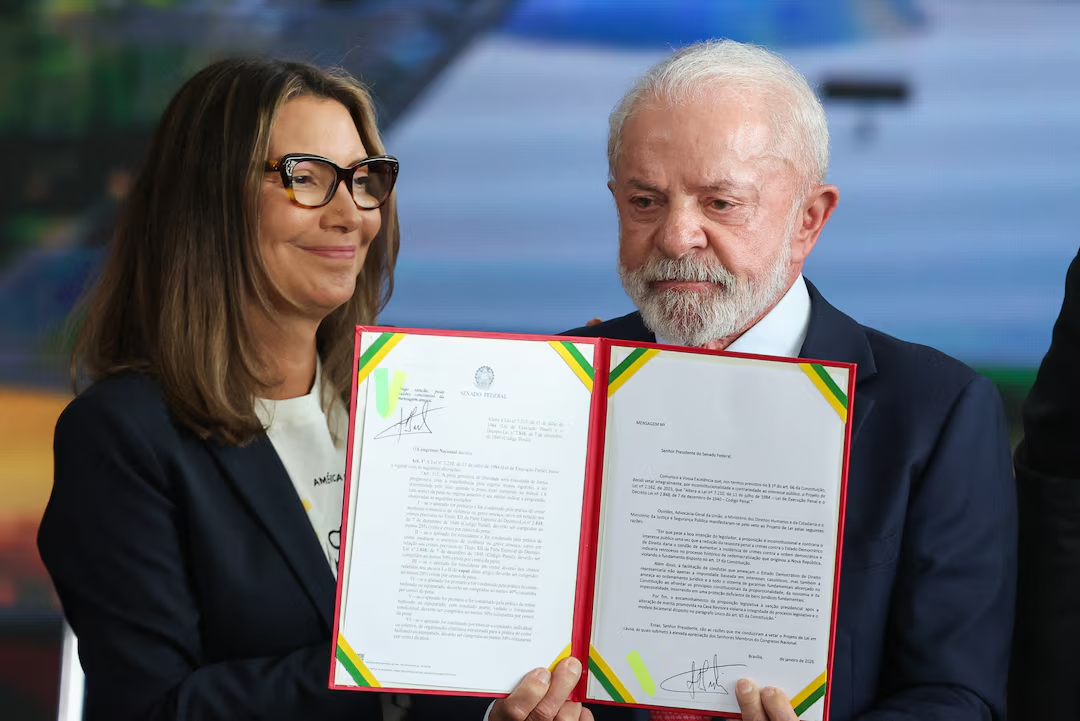
Brazil’s political tensions intensified after President Luiz Inácio Lula da Silva vetoed a bill approved by Congress that proposed changes to sentencing rules. Critics argued the legislation could have indirectly reduced prison time for former president Jair Bolsonaro and his allies, making the veto a significant moment in Brazil’s ongoing struggle over accountability and rule of law.
Why the Bill Was Controversial
The proposed legislation aimed to revise sentencing guidelines, allowing reduced penalties for certain crimes. Opposition lawmakers and legal experts warned that the changes were too broad and risked weakening judicial decisions already handed down by courts.
Many observers noted that the bill could have opened the door for shorter sentences in high-profile cases linked to Brazil’s recent political unrest, including cases connected to Bolsonaro-era controversies.
President’s Reason for the Veto
In his veto message, the president stressed the need to protect democratic institutions and respect judicial independence. He argued that altering sentencing rules in this way could undermine public confidence in the justice system and create unequal treatment under the law.
The decision was framed as a defense of constitutional principles rather than a personal or political attack.
Political Fallout and What Comes Next
The veto has sparked sharp reactions in Congress. Supporters of the bill accuse the president of politicizing justice, while backers of the veto say it sends a clear signal that no individual should benefit from laws tailored to specific cases.
Lawmakers may attempt to override the veto, which would require a strong majority vote. Until then, Brazil’s legal and political debate over accountability, democracy, and former leaders remains firmly in the spotlight.


