









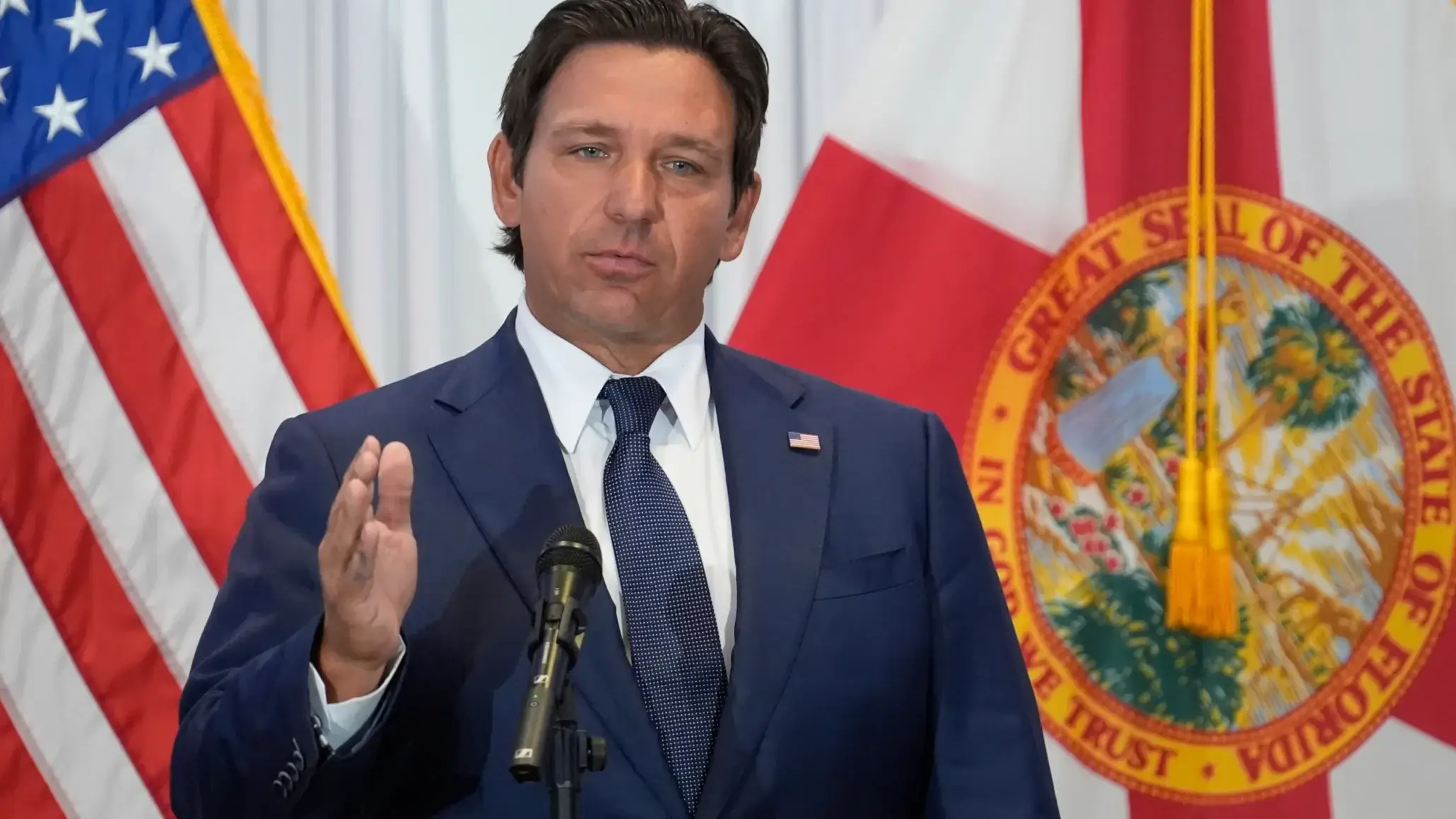
The governor of Florida has taken the controversial step of declaring a major American Muslim civil-rights group and an international Islamist movement as “foreign terrorist organizations.” The sweeping executive order prohibits Florida state agencies from granting contracts, jobs, or funding to the flagged groups — prompting the civil-rights group to vow a legal challenge and highlighting deep divisions over religious advocacy, civil liberties, and state power.
Key Groups Blacklisted Under the Executive Order
The order targets Council on American‑Islamic Relations (CAIR), a widely known Muslim civil rights and advocacy organization in the United States, as well as the Muslim Brotherhood. The governor’s directive comes into effect immediately and instructs state agencies to block any financial support, employment, or contractual relationship with the two groups or individuals linked to them. Neither CAIR nor the Muslim Brotherhood is currently listed as a terrorist organization by the federal U.S. government — making the state-level move highly unusual and legally contested.
Immediate Fallout: Lawsuit Threat and Civil-Rights Clash
CAIR — including its Florida chapter — responded swiftly: the organization rejected the order as “unconstitutional” and “defamatory,” and confirmed plans to take the matter to court. Many observers and civil-rights advocates argue that a single state governor lacks authority to unilaterally impose a terrorist designation not aligned with federal law — raising concerns about potential discrimination, freedom of religion, and the rights of American Muslims.
Broader Political Context & National Repercussions
This move mirrors a similar action taken just last month by another U.S. governor, reflecting a growing pattern of state-level backlash against Muslim organizations in certain parts of the country. Supporters claim it is part of efforts to curb alleged extremist influence; critics warn it fuels Islamophobia and undermines constitutional protections. The decision may also lead to broader legal debates about the limits of state power over civil-rights and religious entities.