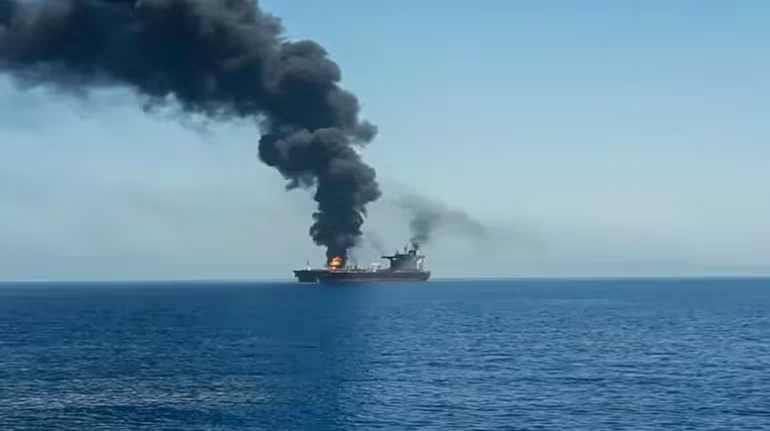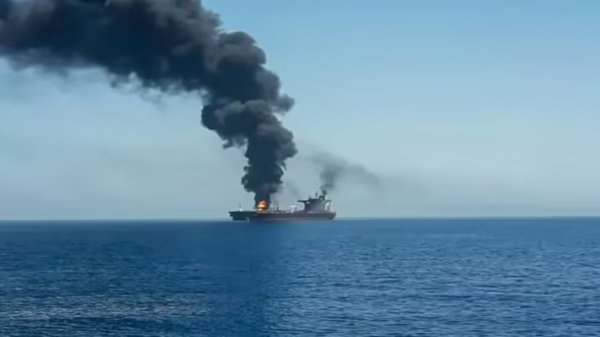


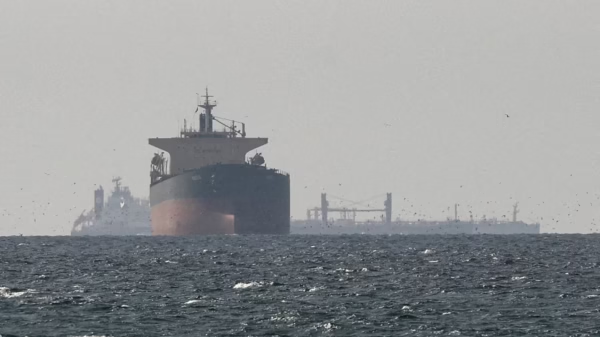





In a rare maritime enforcement action, U.S. military and Coast Guard units have successfully taken control of an oil tanker linked to Venezuela after a multi-week pursuit across the North Atlantic. The vessel, which had evaded earlier interception attempts and drew international attention by flying a Russian flag, was seized as part of intensified efforts to uphold sanctions and disrupt sanctioned oil trade routes.
Military and Coast Guard Operation in International Waters
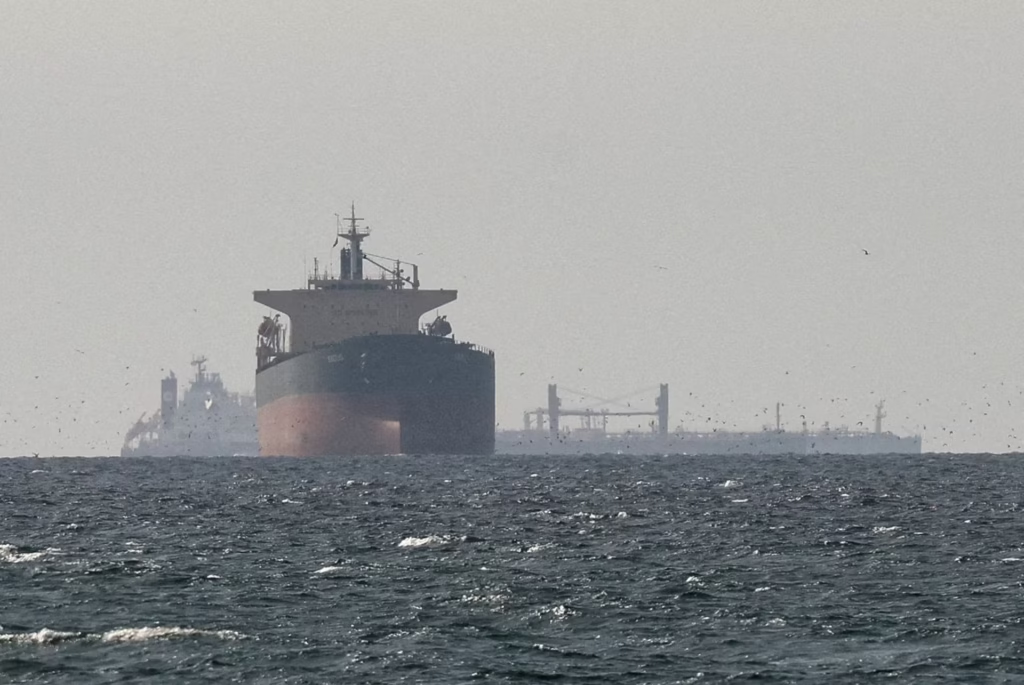
U.S. defense and maritime agencies collaborated on the operation, which culminated in U.S. forces boarding the tanker in international waters far from its previous route near Venezuela. The vessel, originally identified as Bella-1 and later renamed Marinera, had resisted an earlier boarding attempt by the Coast Guard in late December.
Officials reported that the tanker had been tracked for weeks as it altered its course after slipping past a naval blockade aimed at enforcing sanctions against ships tied to Venezuela’s state oil industry.
Sanctions Enforcement and Geopolitical Stakes
The seized tanker was listed under U.S. sanctions for its alleged role in transporting oil for entities linked to Venezuela and other sanctioned parties. In recent months, several similar tankers operating within what analysts call a “shadow fleet” — vessels that obscure ownership or change flags to evade monitoring — have been targeted by American enforcement actions.
Its reflagging under Russia and the presence of Russian naval assets near the pursuit route underscored the delicate geopolitical undertones of the operation. Though Russians were reportedly in the vicinity, there were no reported clashes as U.S. forces executed the seizure.