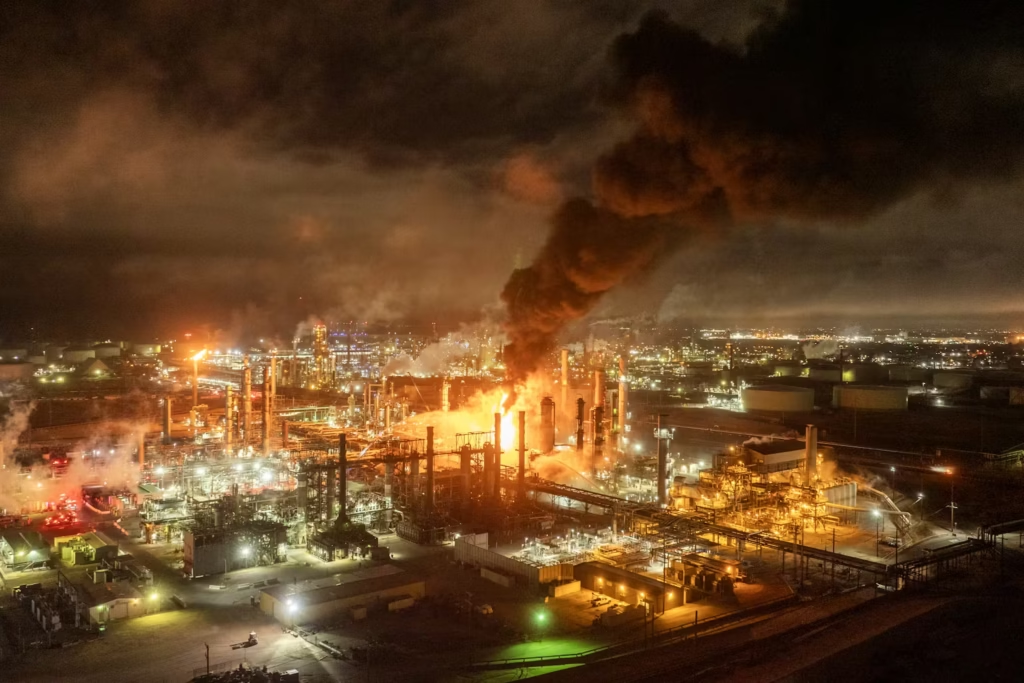
Thick clouds of toxic smoke have engulfed Tehran after multiple oil facilities caught fire, with satellite imagery confirming that some blazes continued burning for days. The incident has raised serious concerns about air quality, public health, and long-term environmental damage in Iran’s densely populated capital.
🔥 Satellite Images Show Persistent Oil Fires
Recent satellite visuals captured large plumes of dark smoke rising from multiple fuel storage sites across Tehran. The fires, triggered by strikes on key oil depots and refinery infrastructure, continued to burn for several days after the initial explosions.
Among the hardest-hit locations were major fuel facilities in different parts of the city, where flames and smoke persisted long after the attacks. Even days later, satellite monitoring showed ongoing hotspots, indicating that some fires had not been fully contained.
🌫️ Toxic Smoke and “Black Rain” Raise Health Alarms
The burning oil released a hazardous mix of soot, sulfur dioxide, and chemical particles into the air, creating a dense pollution cloud over the city. Residents reported breathing difficulties, eye irritation, and skin discomfort as air quality rapidly worsened.
Adding to the crisis, rainfall passing through the polluted atmosphere turned into what locals described as “black rain.” This oily precipitation left dark residue on buildings, vehicles, and streets, raising concerns about chemical exposure and contamination.
Health experts warn that such exposure could lead to serious long-term issues, including respiratory illness, cardiovascular problems, and increased cancer risk.
🌍 Environmental Impact and Long-Term Risks
Beyond immediate health effects, experts caution that the environmental damage could be widespread. Toxic particles from the fires may settle into soil and water systems, potentially affecting agriculture, drinking water, and ecosystems.
International organizations have also warned that prolonged exposure to such pollutants could have lasting consequences, especially for children, the elderly, and those with existing health conditions.
As investigations continue, the situation highlights the growing risks associated with strikes on energy infrastructure in populated areas, where environmental disasters can quickly turn into public health emergencies.