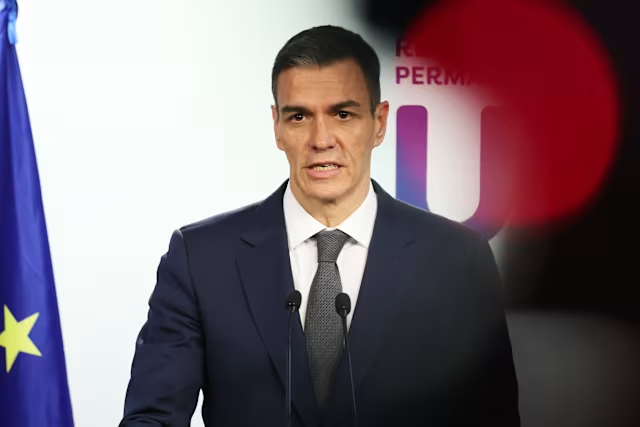
Spain’s government has publicly pushed back against claims made by Pavel Durov, following a widely shared Telegram post in which he criticized Spain’s alleged plans to restrict or ban social media platforms. The comments sparked intense debate online, forcing Spanish officials to clarify their position and address concerns about digital freedom, regulation, and misinformation.
Spain Rejects Claims of a Social Media Ban
Spanish authorities firmly denied that the country is planning a blanket ban on social media platforms. Officials emphasized that the proposal being discussed focuses on regulation, not prohibition, aiming to bring large digital platforms in line with European standards on transparency, user safety, and accountability.
According to government representatives, Durov’s post oversimplified the issue and created unnecessary alarm among users. They stressed that Spain remains committed to freedom of expression and democratic values while also addressing the challenges posed by online misinformation and harmful content.
Why Pavel Durov’s Post Went Viral
Durov’s message quickly gained traction across Telegram and other platforms due to his strong stance on digital freedom. In the post, he warned that increased regulation could threaten open communication and innovation, framing Spain’s approach as a dangerous precedent.
The post resonated with privacy advocates and free-speech supporters, but critics argued that it lacked context and ignored existing European Union digital laws that Spain is required to follow.
The Bigger Picture: Regulation vs Free Speech
Spain’s response highlights a broader global debate: how governments can regulate powerful social media platforms without infringing on free speech. Officials pointed out that similar regulatory discussions are happening across Europe, driven by concerns over data protection, election interference, and harmful online content.
Rather than targeting specific platforms like Telegram, Spain says its goal is to ensure responsible digital governance while protecting users’ rights in an increasingly connected world.
Conclusion
The exchange between Spain and Pavel Durov underscores the tension between tech leaders and governments over the future of social media. While Durov continues to champion minimal oversight, Spanish authorities insist their approach is about balance—protecting users without silencing voices.
As discussions continue, the incident serves as a reminder of how quickly influential social media posts can shape public perception and force governments to respond.