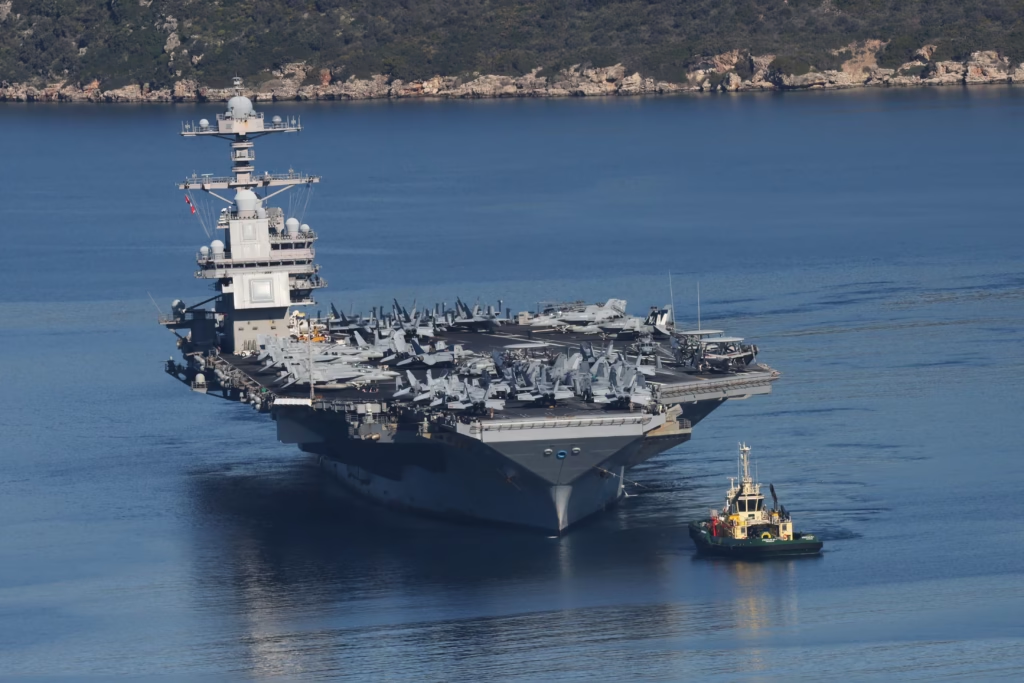









Saudi Arabia is reportedly encouraging the United States to maintain and even intensify its military campaign against Iran, as tensions across the Middle East continue to rise. Crown Prince Mohammed bin Salman is said to view the ongoing conflict as a critical opportunity to reshape regional power dynamics, even as the risk of wider escalation grows.
⚔️ Saudi Leadership Urges Continued Military Pressure
Saudi officials, including Crown Prince Mohammed bin Salman, have privately supported ongoing U.S. operations against Iran, according to intelligence-linked reports. The Saudi leadership believes that sustained pressure could weaken Tehran’s influence across the region and reduce long-term threats to Gulf nations.
The crown prince reportedly sees the current situation as a rare strategic window to shift the balance of power in the Middle East. Despite not directly joining the conflict so far, Saudi Arabia has shown alignment with Washington’s broader military objectives.
🌍 Rising Conflict and Strategic Risks
The conflict, now several weeks old, began escalating after coordinated strikes on Iranian targets, followed by retaliatory actions from Tehran. These developments have led to attacks on critical infrastructure, including energy facilities and shipping routes, increasing global concern.
Iran has also issued warnings and demonstrated its ability to target key oil infrastructure in the region, raising fears of disruption to global energy supplies. The situation has already caused volatility in oil markets and heightened geopolitical uncertainty.
🛡️ Saudi Arabia Balances Caution and Possible Involvement
While Saudi Arabia has not officially entered the conflict militarily, it remains on high alert. Analysts suggest the kingdom could take a more active role if Iranian attacks intensify or if allied interests are directly threatened.
There are also concerns that further escalation, particularly involving regional groups or attacks on critical infrastructure, could draw additional countries into the conflict. Diplomatic efforts are ongoing, but the situation remains highly volatile with no clear resolution in sight.