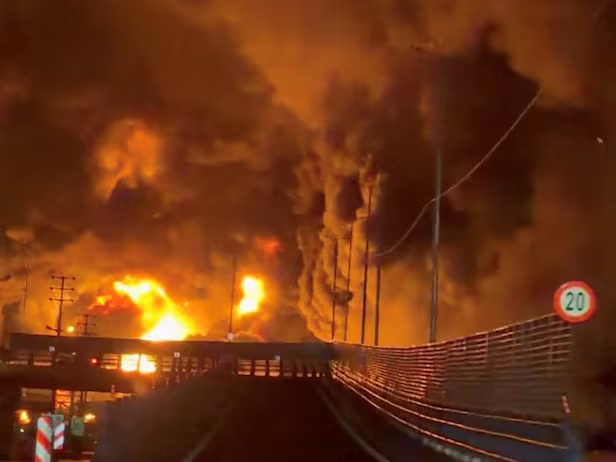
Tensions in the Middle East have intensified after Iran warned it could launch retaliatory strikes against oil facilities across the Gulf region following Israeli attacks on Iranian energy infrastructure. The warning comes after multiple Israeli airstrikes targeted fuel depots and energy sites around Tehran, escalating fears of a broader regional conflict that could disrupt global oil supplies and push energy prices higher.
Iranian military officials stated that further attacks on the country’s energy infrastructure could lead to direct retaliation against oil installations in neighboring states, signaling a dangerous escalation in the ongoing confrontation.
Israeli Airstrikes Target Iranian Energy Sites
Recent Israeli airstrikes reportedly struck several fuel storage depots and energy facilities in and around Tehran. The attacks triggered massive fires and thick black smoke that spread across parts of the capital.
Authorities reported casualties, including tanker drivers who were working at the targeted sites when the explosions occurred. Environmental concerns also emerged as the fires released toxic pollutants into the air, with warnings of harmful chemicals and contaminated rainfall affecting nearby areas.
Israeli officials said the strikes were aimed at infrastructure allegedly used to support military operations, while Iranian leaders described the attacks as a direct assault on civilian and economic infrastructure.
Iran Threatens Strikes on Gulf Oil Infrastructure
Following the attacks, Iran’s military command warned that oil facilities across the region could become targets if the strikes continue. Military officials said retaliation could extend to energy installations in neighboring countries and other strategic economic locations in the Middle East.
Iran’s armed forces leadership said that attacks on its fuel and energy network would not go unanswered and urged regional governments to pressure Israel and its allies to halt further strikes. The statement highlighted the risk that the conflict could spread beyond Iran and Israel.
Experts say such a move could threaten key oil infrastructure across the Gulf, including refineries, export terminals, and storage facilities.
Global Oil Market Fears Grow
The escalating tensions have already raised concerns about the stability of global energy markets. Analysts warn that continued attacks on oil infrastructure could significantly disrupt supply from the Middle East, which remains one of the world’s largest energy-producing regions.
Iran has warned that further escalation could push global oil prices above $200 per barrel, reflecting the potential impact of a wider conflict on energy exports and shipping routes.
The situation has also increased concerns about the security of critical shipping lanes such as the Strait of Hormuz, through which a large portion of the world’s oil supply passes.