


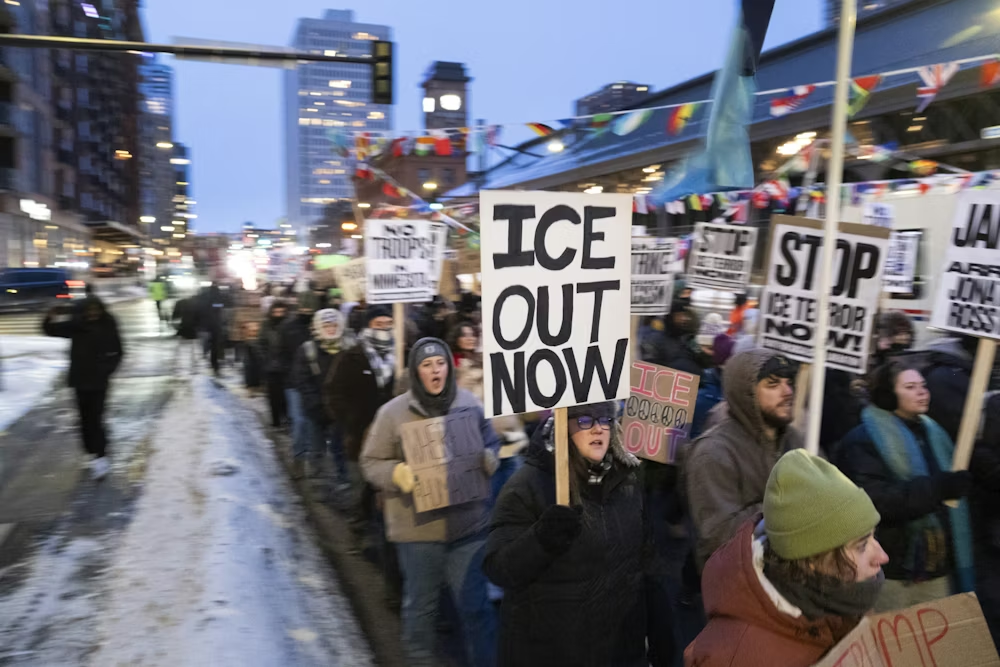
MINNEAPOLIS — In one of the largest civil demonstrations in recent state history, Minnesotans on January 23 participated in a coordinated economic blackout to protest a surge in federal immigration enforcement operations across the state. The action, marked by widespread business closures and public walkouts, was triggered by anger over the fatal shooting of a local woman by a federal immigration agent and growing concerns over community safety and civil liberties.
Massive Protest Halts Daily Life Across Minnesota
Across Minneapolis, St. Paul, and surrounding communities, residents heeded calls from labor unions, clergy, and civic groups to refrain from work, school, and shopping. Known as the “Day of Truth & Freedom,” the protest mobilized thousands despite sub-zero temperatures and included a major downtown march culminating at the Target Center.
Hundreds of local businesses — from coffee shops to cultural centers and bookstores — announced they would close in solidarity, with many transforming their spaces into community support hubs. Organizers framed the blackout as both a demonstration of community power and a rejection of aggressive federal detention tactics under the expanded immigration enforcement campaign known as Operation Metro Surge.
Protesters Demand ICE Exit and Federal Accountability
The demonstrations were sparked by widespread outrage over the shooting death of Renee Good, an unarmed Minnesota resident who was shot by an Immigration and Customs Enforcement (ICE) officer earlier in January — a case that has become a flashpoint in debates over federal immigration enforcement tactics.
Protesters and community leaders issued a set of key demands:
- Immediate withdrawal of ICE forces from Minnesota
- Legal accountability for the agent involved in the fatal shooting
- An independent federal investigation into alleged civil rights violations
- An end to federal funding increases for ICE operations
Endorsements came from major labor organizations including the state AFL-CIO, SEIU locals, educators, and faith-based coalitions. The Minneapolis City Council also backed the economic boycott, underscoring deep local opposition to the recent enforcement surge.
Tensions Escalate as Federal and Local Leaders Clash
The protest movement emerged amid heightened tensions between federal authorities and local leaders. The Department of Homeland Security has defended the enforcement actions as necessary for public safety, citing arrests of individuals with criminal records — a claim disputed by community activists who argue many detainees lack serious offenses.
Meanwhile, critics say federal enforcement efforts have disrupted everyday life and created fear among immigrant, working-class, and minority communities. Despite harsh winter conditions, demonstrations continued throughout the week leading up to the blackout, with daily marches, vigils, and civil rights gatherings drawing broad participation.


