




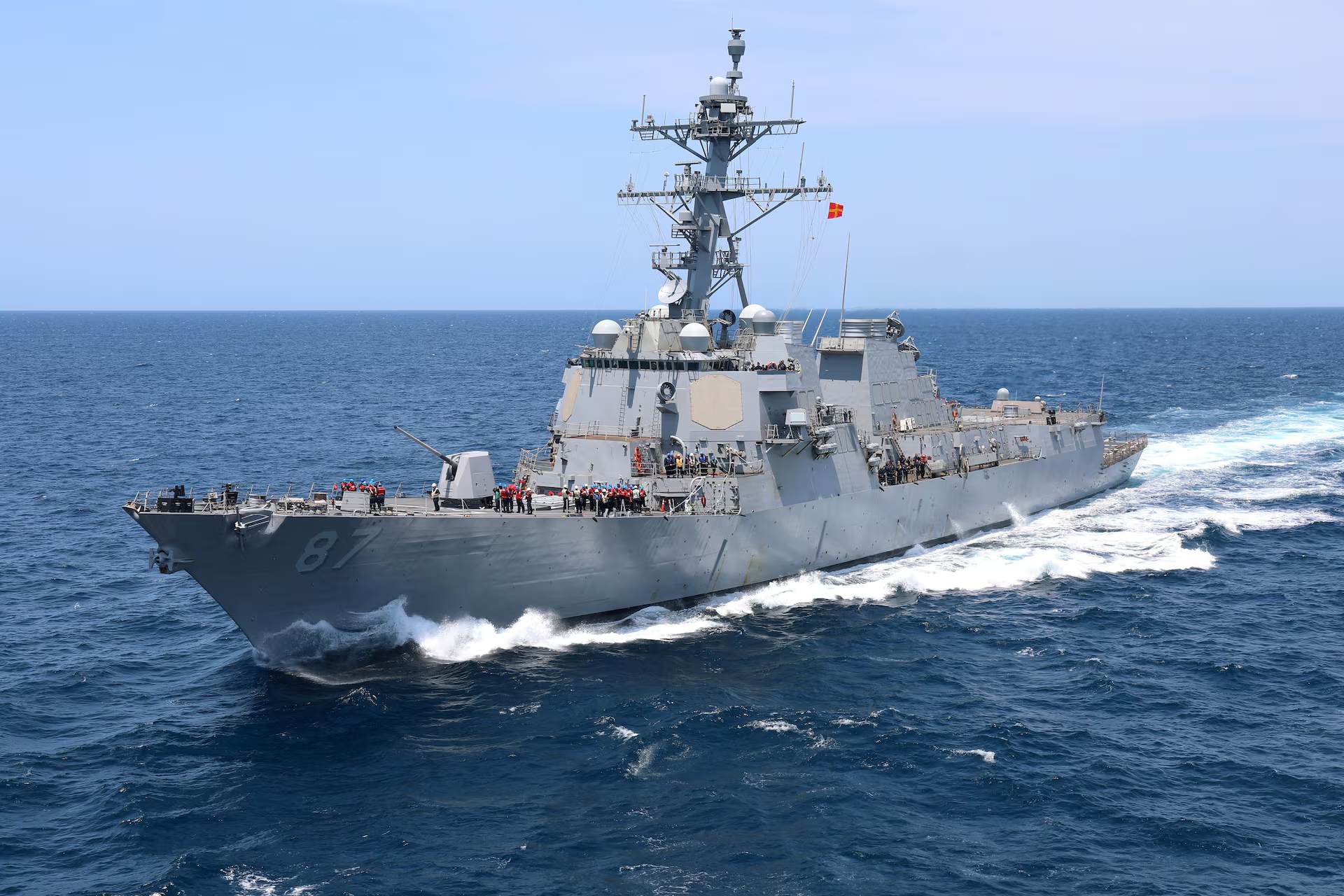
In a fresh blow to suspected drug-running operations, US military forces carried out a strike on a boat in Caribbean waters late Thursday, killing four men accused of narcotics trafficking. The operation is the latest in a series of lethal maritime actions targeting vessels the United States has labelled as part of an illicit smuggling network, raising renewed debate over legality and human rights.
Naval Strike Hits Alleged Smuggling Boat
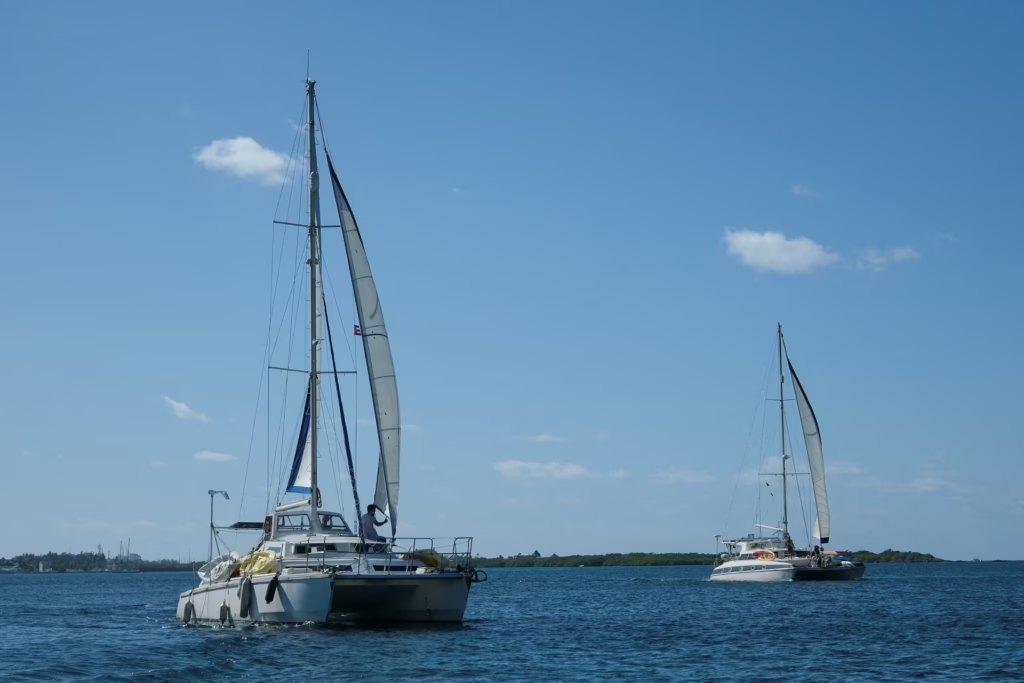
According to a statement from the US Southern Command, the recent lethal strike targeted a vessel operating in international waters — identified as belonging to a “Designated Terrorist Organization.” Intelligence allegedly confirmed that the boat was transporting illicit narcotics along a well-known trafficking route. The military says four males onboard, classified as “narco-terrorists,” were killed in the strike.
Officials described the action as a necessary part of a wider effort to disrupt maritime narcotics trafficking, with the administration asserting the strike was lawful under current rules of engagement.
Growing Campaign at Sea — and Escalating Controversy
Since its launch in September 2025 under the banner of a regional counter-narcotics effort, the US has carried out more than 20 strikes on vessels in the Caribbean and Eastern Pacific. Reportedly, over 80 individuals believed to be involved in drug smuggling have been killed in this campaign so far.
However, recent revelations have stirred fresh scrutiny: in one prior strike, survivors from an initial attack were reportedly killed in a follow-up strike — a move some legal experts warn may constitute a war crime under both US and international law. Critics argue that extrajudicial killings and targeting unarmed or incapacitated individuals at sea violate basic humanitarian norms.
Legal and Diplomatic Fallout: Calls for Accountability
The strike comes at a time when bipartisan lawmakers in the US Congress have launched investigations into the campaign’s conduct and its chain of command. The earlier “double-tap” strike in September, which reportedly killed people clinging to a capsized boat, has provoked outcry and comparisons to extrajudicial killings.
Human rights advocates and international bodies — including family members of victims — have filed formal complaints arguing such operations breach due process and violate the right to life. Many are demanding transparency, documentation of evidence, and an independent review of maritime strike protocols.
Amid mounting pressure, questions continue to swirl over whether the campaign truly targets high-level traffickers or disproportionately impacts vulnerable individuals at sea.