



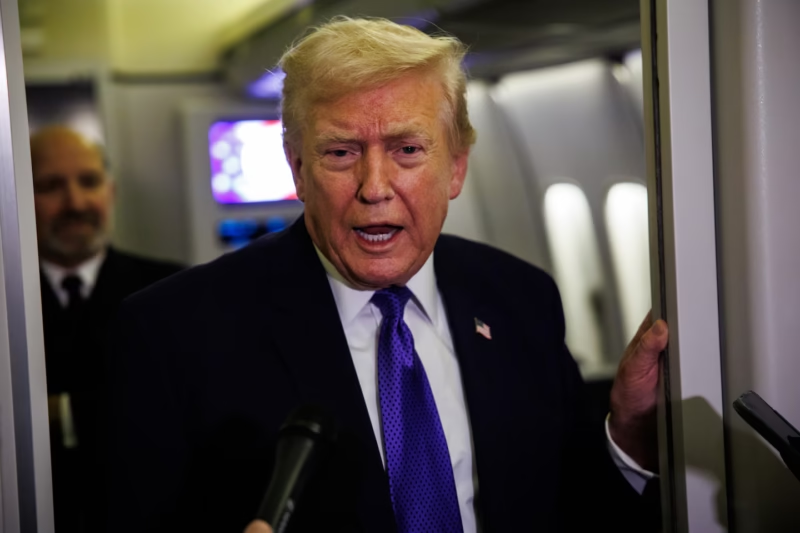
Former U.S. President Donald Trump is once again at the center of controversy after a video featuring racially offensive imagery involving Barack Obama appeared on his social media account. Despite widespread condemnation from political leaders and civil rights advocates, Trump has firmly rejected calls to apologize, dismissing the criticism as politically motivated.
Racist Imagery Triggers Public and Political Outrage
The video, which circulated rapidly across social platforms, included visuals widely described as racist and demeaning toward the former president Barack Obama. Critics argue that the content promotes racial stereotypes and undermines civil discourse, especially coming from a prominent political figure.
Several commentators and advocacy groups condemned the post, warning that such content can inflame racial tensions and normalize hateful messaging online. The backlash intensified as screenshots and clips of the video spread beyond Trump’s original platform.
Trump Pushes Back, Rejects Calls for Apology
Responding to the growing criticism, Trump declined to issue any apology. Instead, he defended the post by downplaying its significance and framing the outrage as an attack from political opponents and the media.
According to Trump, the reaction reflects what he often describes as unfair scrutiny of his online activity. His stance has further polarized public opinion, with supporters echoing his claims while critics argue that refusing accountability sends the wrong message during an already divided political climate.
Impact on Political Discourse and Social Media Accountability
The incident has reignited debate over the responsibility of public figures on social media, particularly regarding content that may reinforce racial bias. Analysts note that posts from influential leaders can have far-reaching effects, shaping public attitudes and online behavior.
As social platforms continue to struggle with moderating harmful content, the episode highlights ongoing challenges around free speech, political messaging, and racial sensitivity in the digital age.