





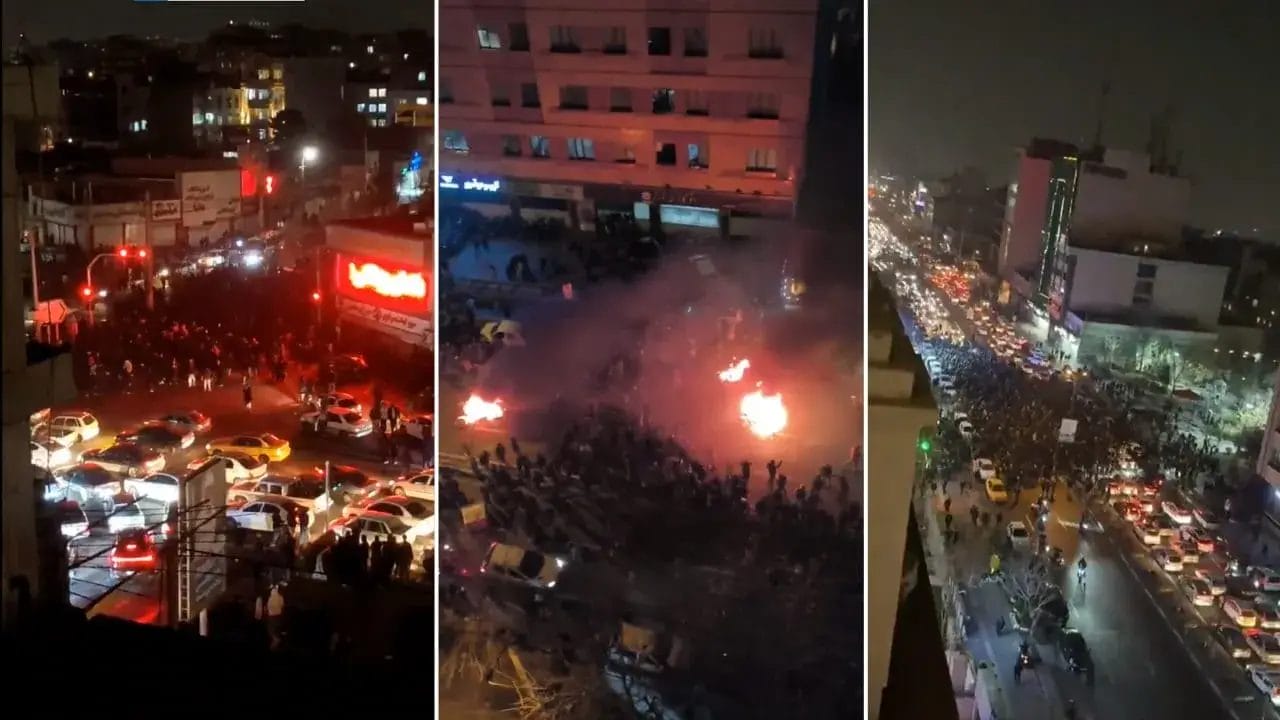
Nationwide Shutdown Amid Rising Public Anger
Iran has been cut off from global internet access and international phone services as widespread protests continue to sweep the country, driven by deepening economic woes including soaring inflation and a sharp fall in the national currency. Internet monitoring groups report a near-total blackout, leaving citizens largely unable to communicate or share information online.
Authorities took the step to disrupt connectivity shortly after crowds surged into the streets following calls for mass demonstrations. Domestic and international observers say the blackout is increasingly restricting journalists and ordinary Iranians from reporting on or participating in the unrest.
Protests Amid Economic Hardship and Dissent
What began as protests over inflation, unemployment, and escalating costs of food and medicine has spread to major cities and smaller towns alike. Demonstrators have voiced broad discontent with economic management and governance, with slogans aimed squarely at Iran’s leadership.
Despite communication disruptions, video clips shared prior to the shutdown showed large gatherings, vocal crowds, and clashes with security forces. Human rights groups report that dozens of protesters have been killed and thousands detained since demonstrations began late last year.

International and Domestic Reactions to Blackout
The blackout has drawn sharp criticism from press freedom and human rights organizations, which say restricting internet access during mass protests violates basic rights and impedes independent reporting. Journalists working inside and outside Iran warn the shutdown hampers coverage of unfolding events and isolates citizens.
Global diplomatic sources have also urged restraint and respect for peaceful assembly, while Tehran casts blame on foreign influences for stoking unrest. Authorities maintain that security measures, including cutting internet access, are necessary to maintain order amid escalating tensions.